Best skincare for sensitive skin
Sensitive skin reacts easily to ingredients, weather, and stress. The treatment principle is barrier repair, not active treatment — gentle cleanser, ceramides, panthenol, niacinamide, centella, and mineral SPF, with strict avoidance of fragrance, harsh surfactants, and over-stacking.
What is sensitive skin?
Sensitive skin reacts easily — to ingredients, weather, products, even stress. It can be a stable skin type or a temporary state caused by barrier damage from over-exfoliation, harsh cleansers, or too many actives. The visible signs are stinging on application, persistent redness, dehydration, easy flushing, and breakouts triggered by mild ingredients.
The treatment principle is restoration, not addition. Strip the routine back to the absolute essentials — gentle cleanser, ceramide moisturiser, mineral SPF — for 2-4 weeks until the barrier recovers. Then gradually reintroduce one ingredient at a time, with at least 2 weeks between additions. Avoid fragrance permanently if you have stable sensitive skin.
Best ingredients for sensitive skin
Replenish the barrier lipids that sensitive skin chronically loses. Foundation of any sensitive-skin routine.
Soothing, hydrating, no irritation profile of its own. Universally well tolerated.
At 5% (not 10%+) reduces redness, supports the barrier, and is one of the rare actives sensitive skin can use daily.
K-beauty's gold standard for reactive skin. Calms inflammation and accelerates barrier repair.
No pH issues, no irritation, universally compatible. Apply on damp skin for best results.
Rare active that sensitive skin tolerates well. Treats redness and pigmentation without aggressive exfoliation.
Ingredients to avoid
- ✗Fragrance (parfum, linalool, limonene high in INCI)
Top trigger for contact reactions in sensitive skin.
- ✗Sulfate-heavy foaming cleansers
Strip lipids and worsen the barrier dysfunction at the root of sensitivity.
- ✗Glycolic acid / strong AHAs
Almost always too aggressive. Choose mandelic acid or PHAs if you need exfoliation.
- ✗Essential oils (lavender, tea tree, citrus)
Marketed as 'natural' but among the most reactive ingredients in skincare.
- ✗Denatured alcohol high in INCI
Strips the barrier and triggers reactivity.
Recommended routine
☀ Morning
- Cool/lukewarm water rinse or cream cleanser
- Centella or panthenol essence
- Niacinamide 5%
- Ceramide moisturiser
- Mineral SPF (zinc oxide)
☾ Evening
- Gentle cream cleanser
- Hydrating toner
- Snail mucin or centella ampoule
- Ceramide-rich moisturiser
Top products for sensitive skin
Moisturisers for sensitive skin
See full ranking →
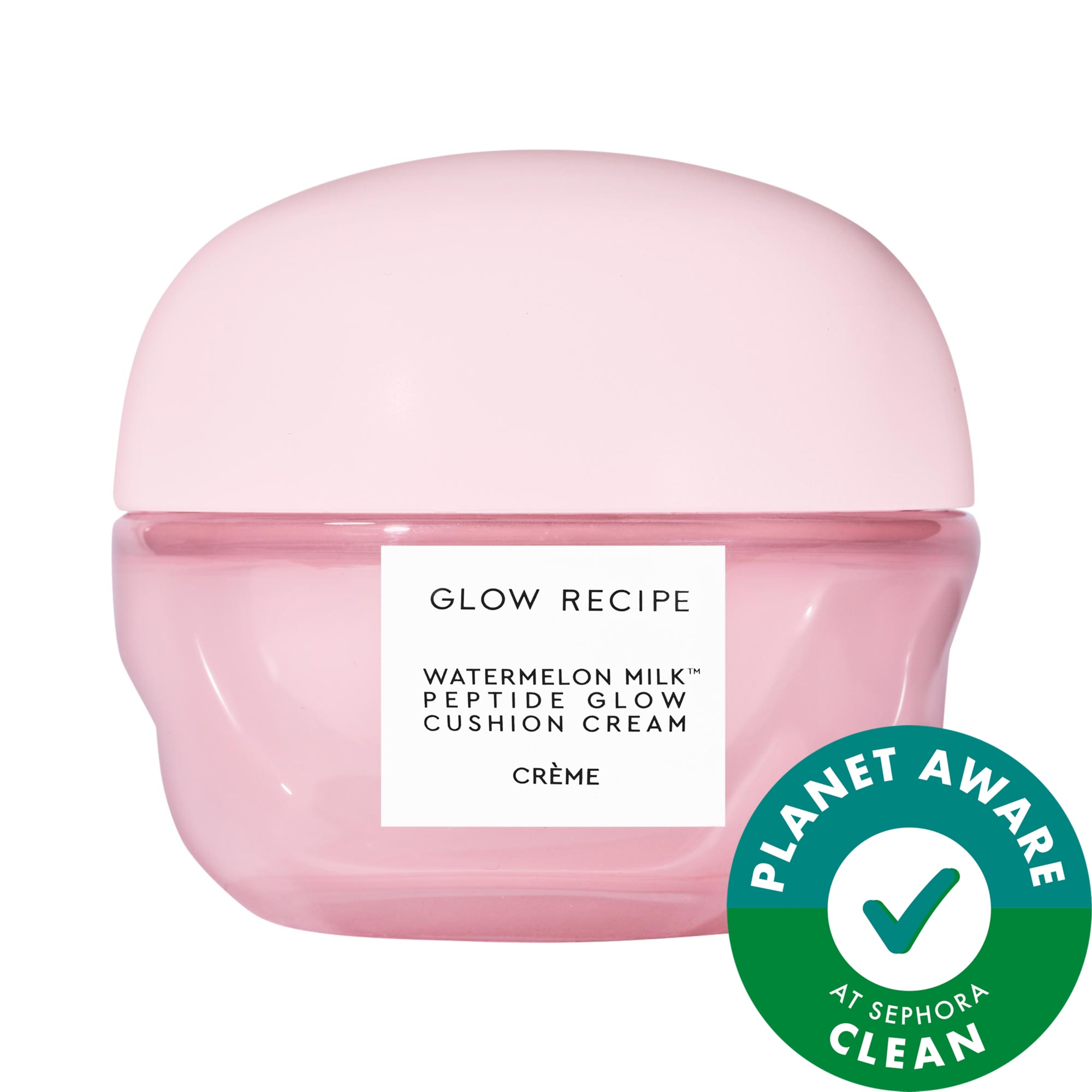
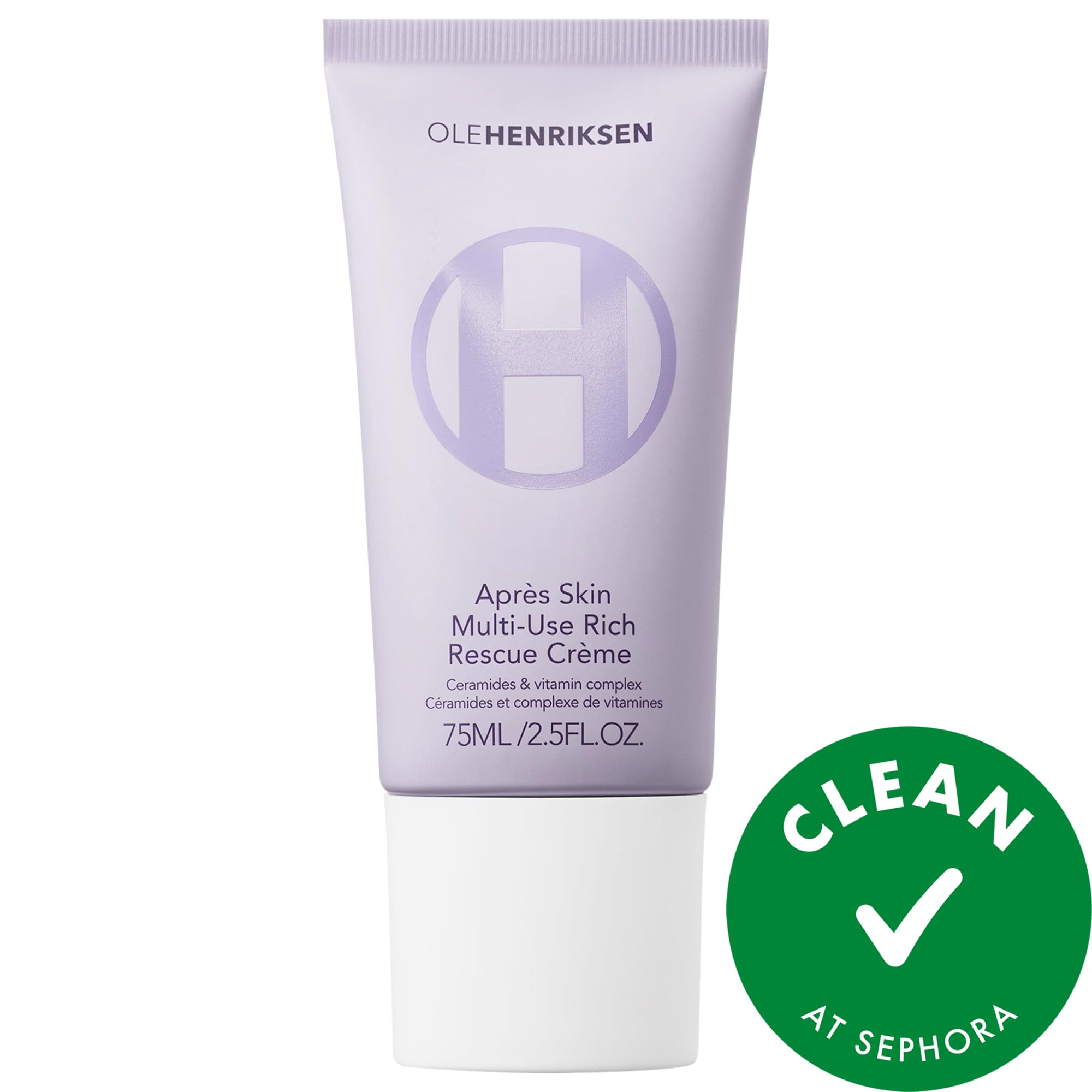
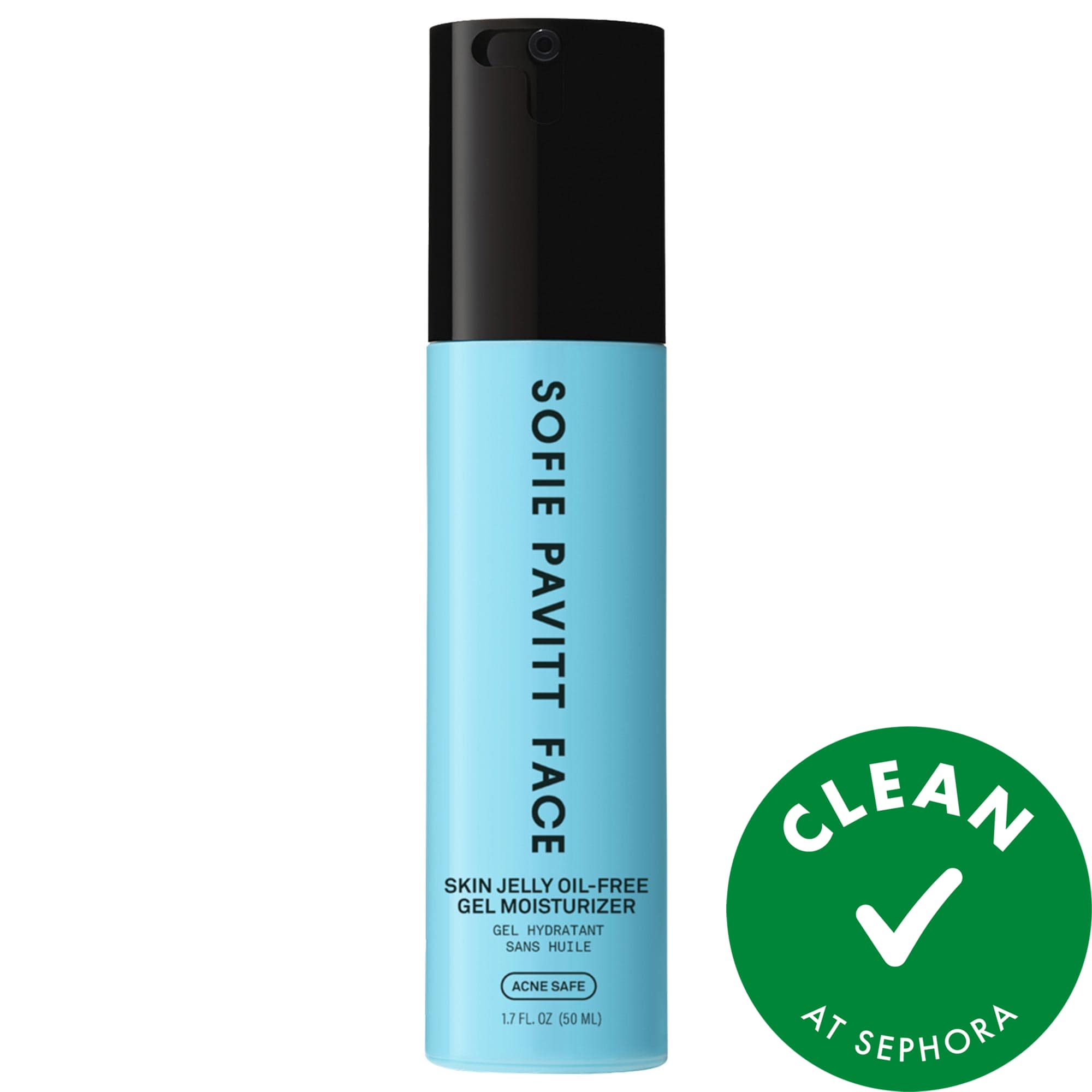
Barrier-repair moisturisers
See full ranking →Cleansers for sensitive skin
See full ranking →- 1
 Paula's Choice
Mini Must-Haves with 2% BHA Exfoliating Toner, Foaming Cleanser, & SPF 50
9.0 - 2
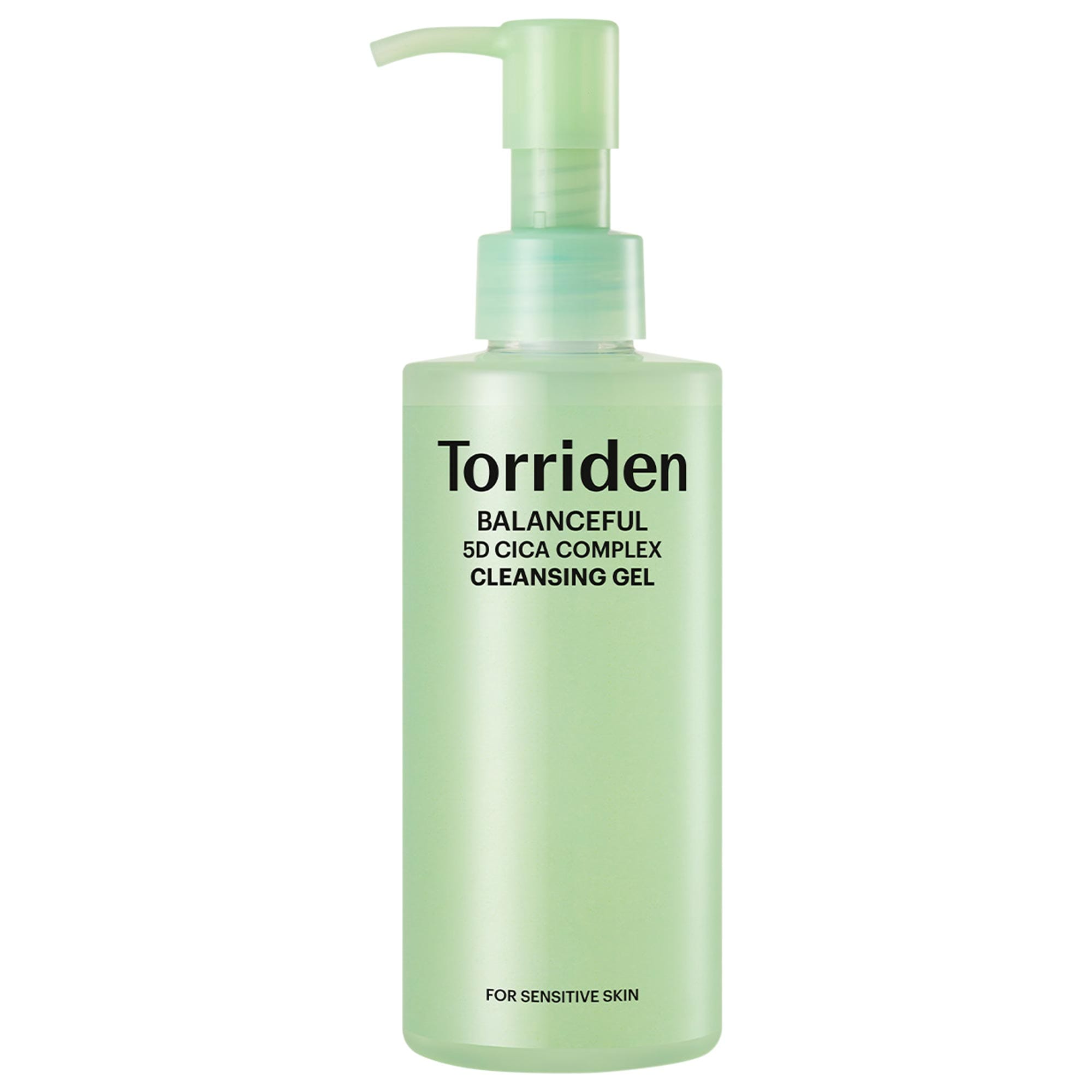 Torriden
BALANCEFUL 5D Cica Complex Cleansing Gel for Sensitive Skin & Gentle Makeup Removal
8.6 - 3
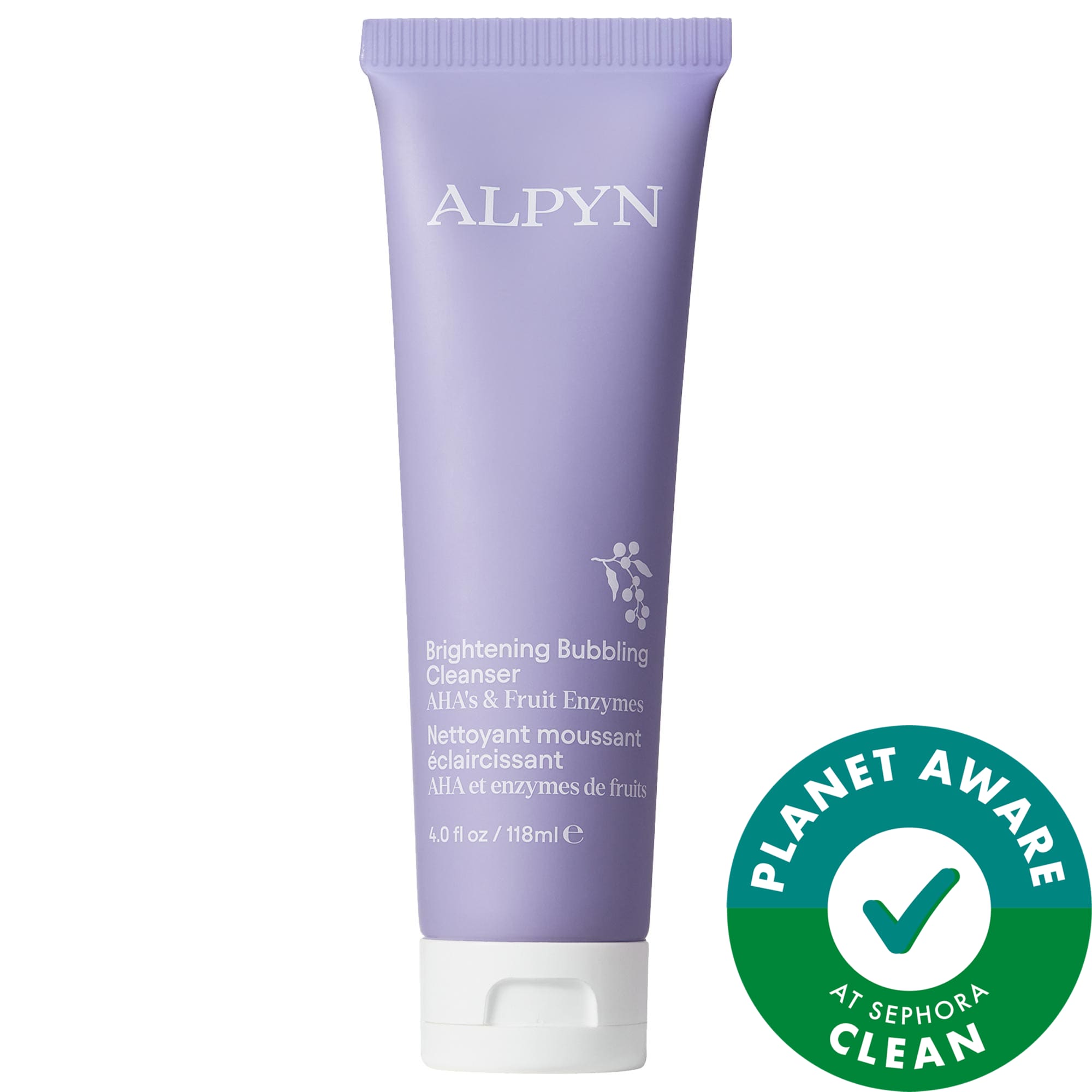 ALPYN
ALPYNClarifying Cleanser with Glycolic Acid for Pores & Blackheads
8.5 - 4
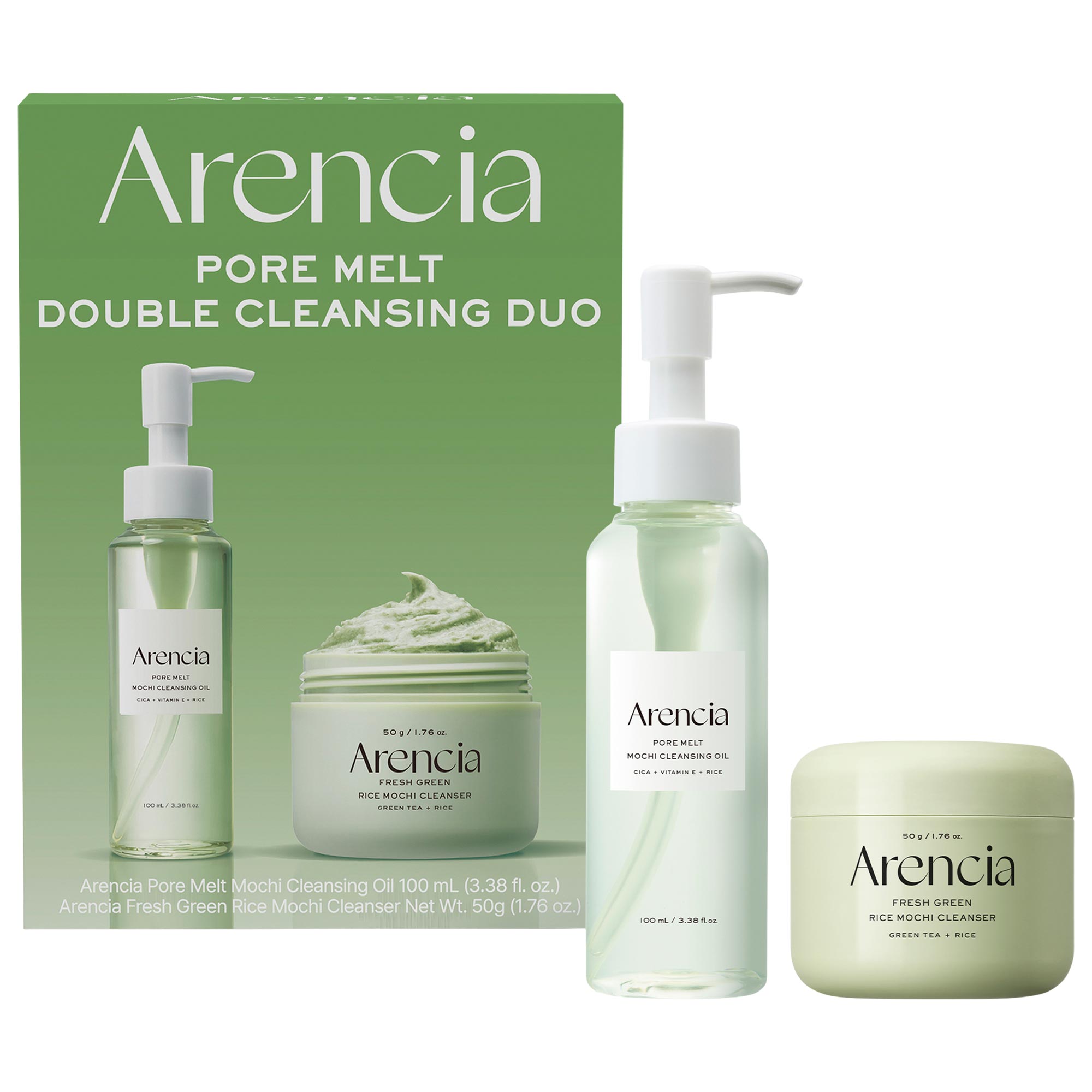 Arencia
Pore Melt Non-Comedogenic Double Cleansing Duo Gift Set for Acne-Prone Skin
8.5
SPF for sensitive skin
See full ranking →


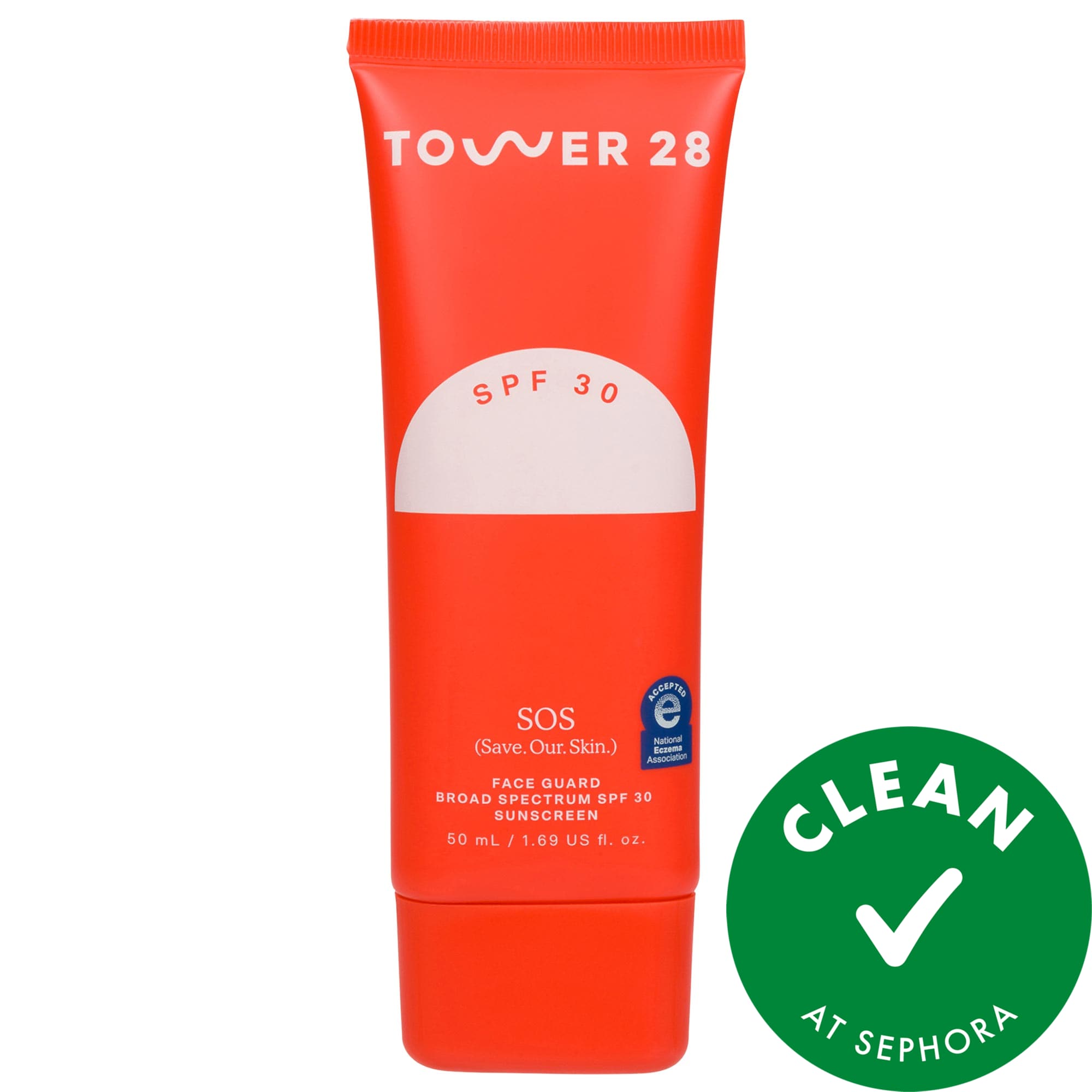
Fragrance-free moisturisers
See full ranking →Frequently asked questions
What's the best skincare for sensitive skin?
Strip the routine back to gentle cleanser, ceramide moisturiser, and mineral SPF for 2-4 weeks until the barrier recovers. Then add one ingredient at a time — niacinamide 5%, centella, panthenol, hyaluronic acid all work. Avoid fragrance permanently.
Can sensitive skin use retinol?
Sometimes — start with bakuchiol (gentler retinol alternative) or the lowest retinol concentration (0.025%) once a week, building up over 12+ weeks. Many sensitive-skin types tolerate retinol with patience and barrier support, but never during a flare.
Why does my skin sting when I apply skincare?
Stinging usually means barrier dysfunction — the products themselves may be fine, but your skin's protective layer is compromised. Stop all actives, run a barrier-repair routine for 2-4 weeks, then reintroduce slowly.
Is sensitive skin permanent?
Some people have genetically sensitive skin (often atopic dermatitis-related) that requires lifelong management. Many cases are acquired sensitivity from over-treatment and reverse with barrier repair. The triggers (fragrance, harsh cleansers, over-exfoliation) usually need permanent avoidance regardless.
What ingredients should sensitive skin avoid?
Fragrance, essential oils (lavender, tea tree, citrus), denatured alcohol high in the INCI, sulfate-heavy cleansers, glycolic acid, physical scrubs, and high-percentage retinol. Choose fragrance-free, ceramide-rich, low-active formulations.
Can sensitive skin use vitamin C?
Use a gentler form — sodium ascorbyl phosphate or magnesium ascorbyl phosphate at 5-10% rather than L-ascorbic acid at 15-20%. Patch test first, build up frequency slowly, and stop if you see persistent redness.