Best skincare for fine lines & wrinkles
Fine lines and wrinkles are caused by collagen loss, sun damage, repeated muscle movement, and dehydration. The most evidence-backed ingredients are retinoids (retinol, retinal, tretinoin), peptides, vitamin C, and daily broad-spectrum SPF — the single biggest preventative factor.
What is fine lines & wrinkles?
Skin produces about 1% less collagen per year after age 25. UV exposure accelerates that loss dramatically — up to 80% of visible facial ageing is photoageing, not chronological. Fine lines form first as dehydration creases (especially around the eyes and mouth); deeper static wrinkles form later as collagen and elastin degrade and repeated facial movements set the patterns.
Effective anti-ageing has three components: prevent further damage with daily SPF, stimulate collagen synthesis with retinoids and peptides, and support hydration so fine lines don't deepen unnecessarily. Realistic expectations: 12 weeks for visible smoothing, 6+ months for measurable collagen change. There are no shortcuts to genuine results.
Best ingredients for fine lines & wrinkles
The single most-studied anti-ageing ingredient. Stimulates collagen, accelerates cell turnover, smooths fine lines with consistent use over 12+ weeks.
Antioxidant photoprotection plus collagen synthesis support. Essential daytime layer alongside SPF.
Strengthens the barrier, reduces fine lines from chronic dehydration, and reduces photoageing markers in clinical studies.
Plumps fine dehydration lines immediately. Multi-weight HA reaches multiple skin depths.
Plant-derived 'natural retinol alternative' — gentler option for sensitive skin or pregnancy.
K-beauty's 2025 anti-ageing breakthrough — supports skin regeneration through DNA-fragment signalling.
Ingredients to avoid
- ✗Skipping daily SPF
Photo-damage drives 80% of visible facial ageing. No serum compensates for unprotected daily UV exposure.
- ✗Aggressive scrubs
Microtears worsen fine lines and accelerate collagen breakdown.
- ✗High-fragrance products around eyes
The thinnest skin reacts most to fragrance, causing chronic irritation that deepens fine lines.
Recommended routine
☀ Morning
- Gentle hydrating cleanser
- Vitamin C serum
- Hyaluronic acid (on damp skin)
- Peptide / niacinamide moisturiser
- Broad-spectrum SPF 30-50
☾ Evening
- Cleanser (double cleanse if wearing SPF/makeup)
- Hydrating toner or essence
- Retinol (3-5 nights/week, build up)
- Peptide serum (alternate nights)
- Rich barrier moisturiser
Top products for fine lines & wrinkles
Anti-ageing serums
See full ranking →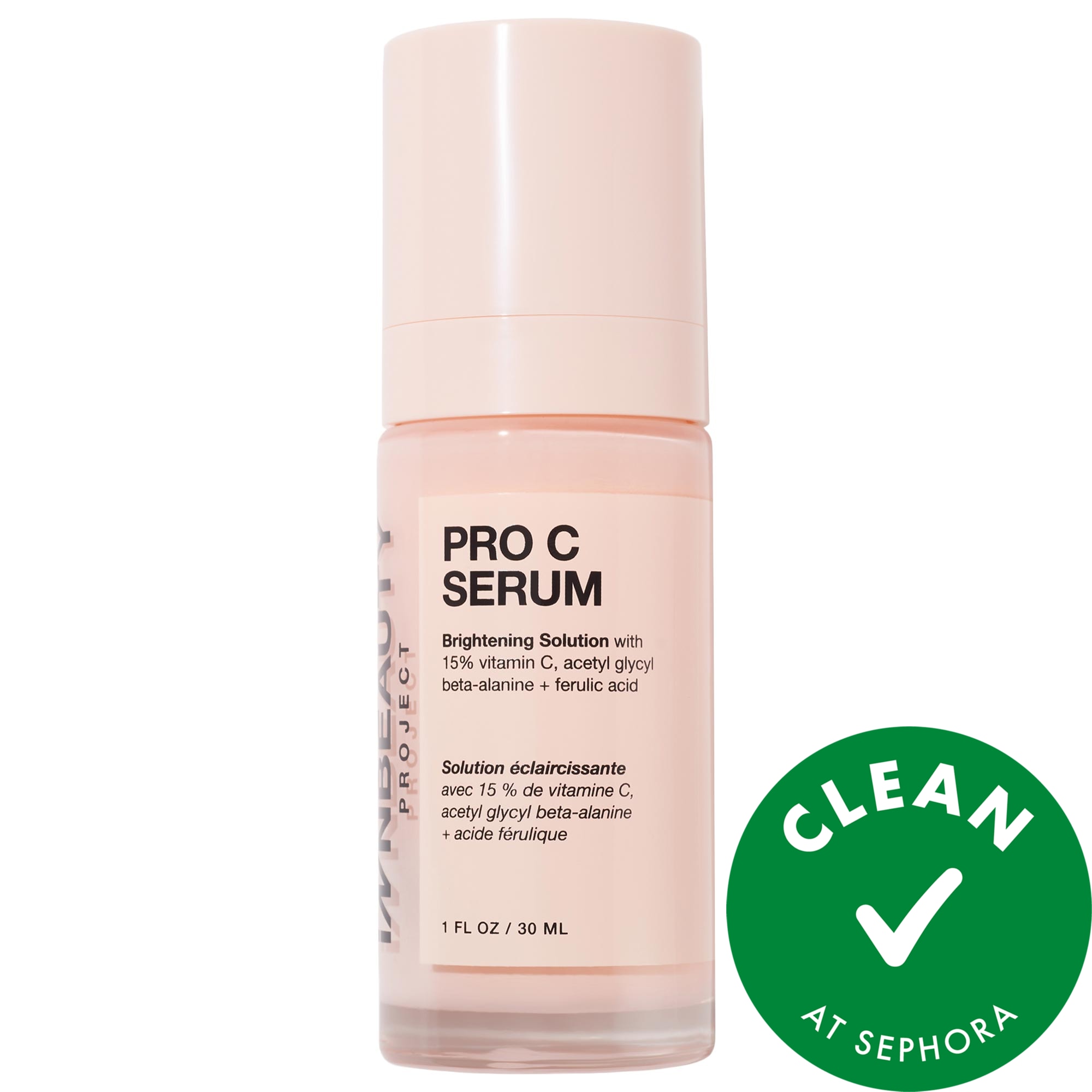
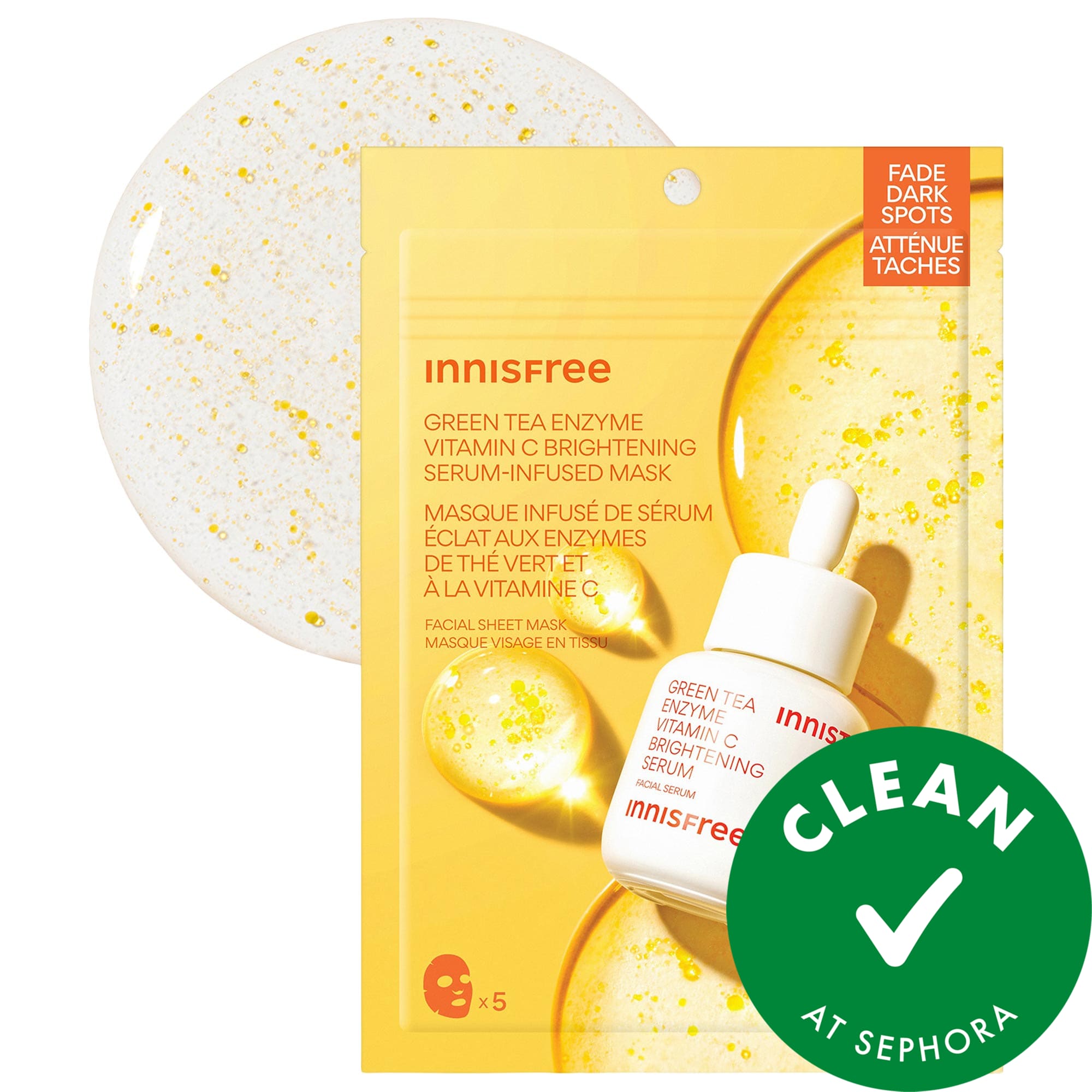
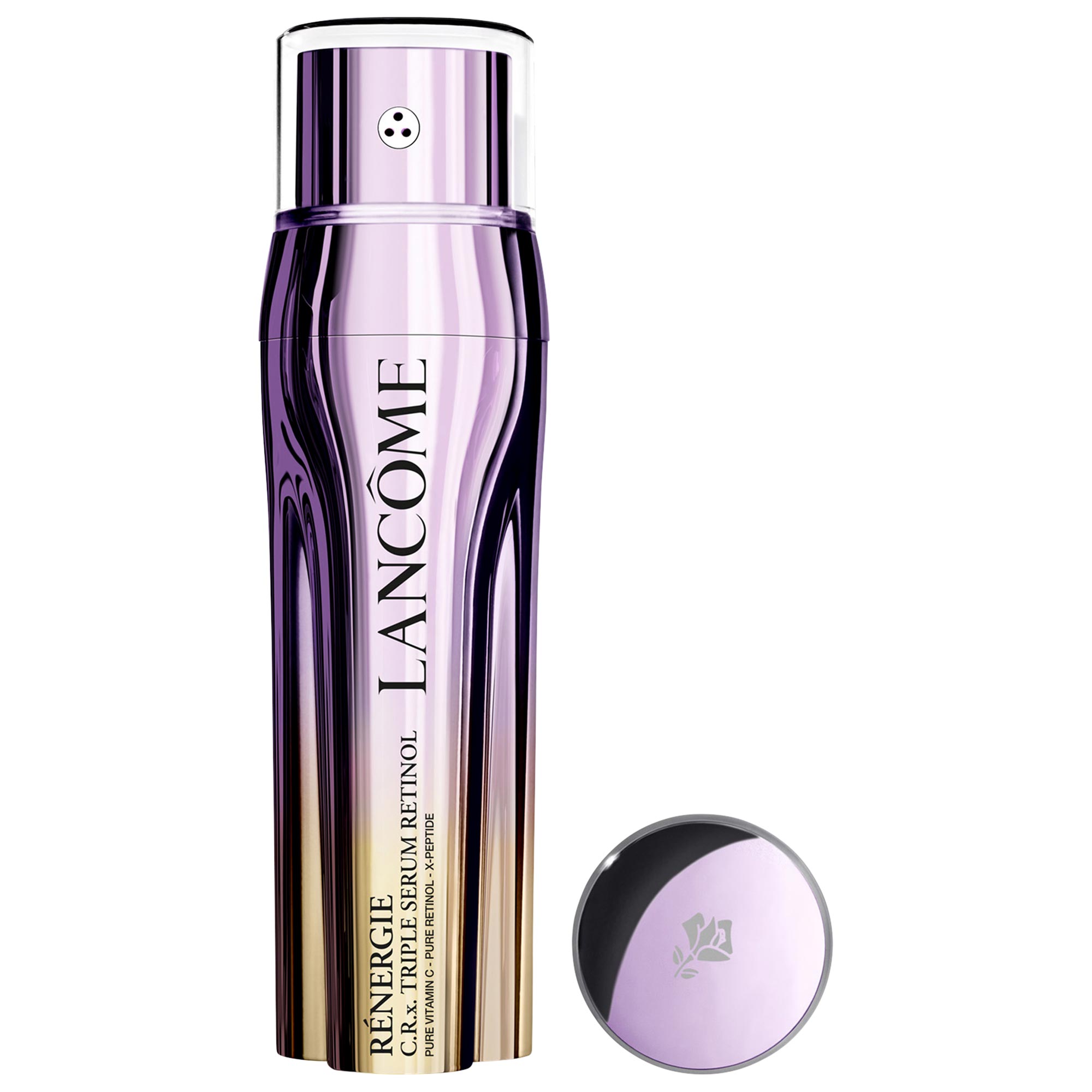
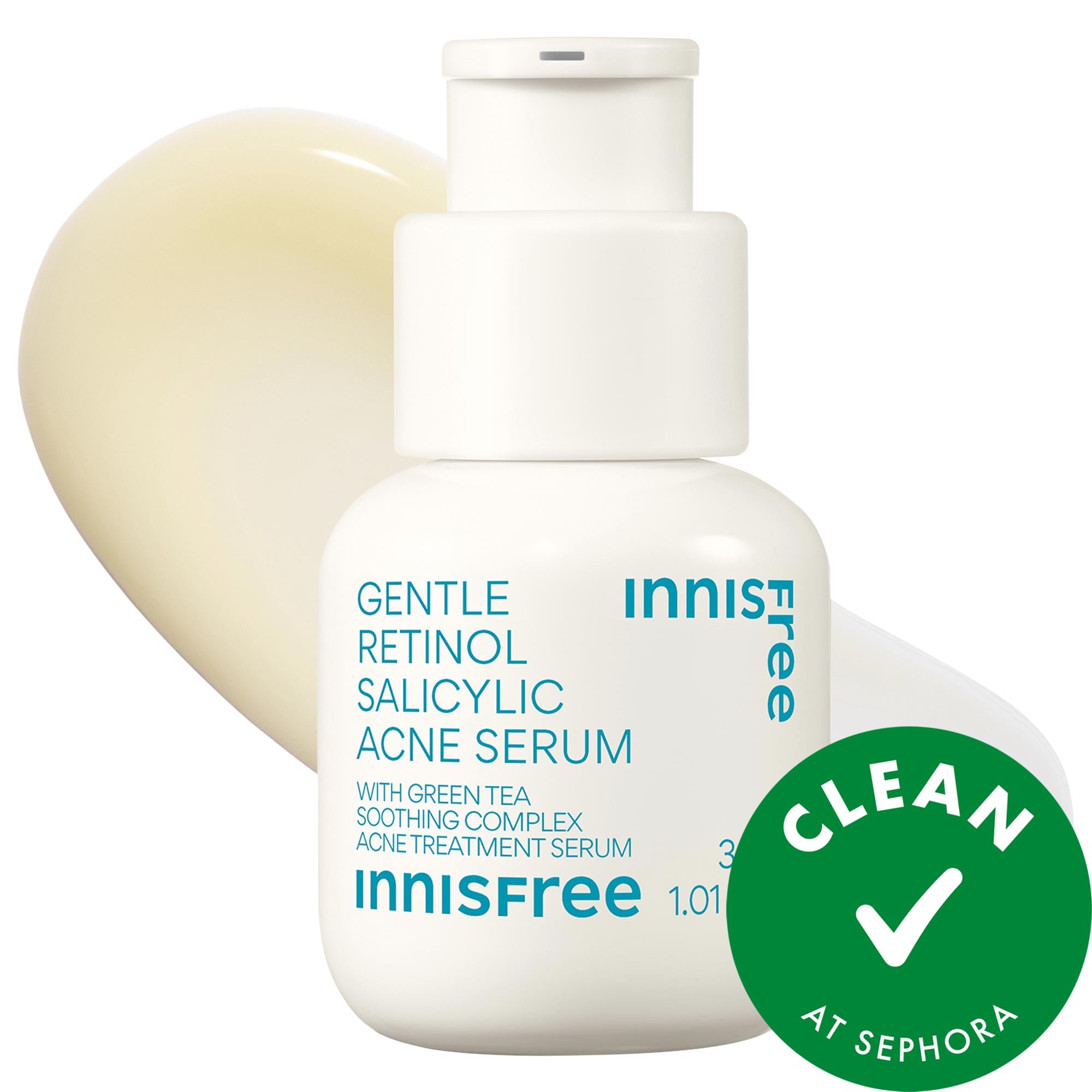
Retinol serums
See full ranking →Peptide serums
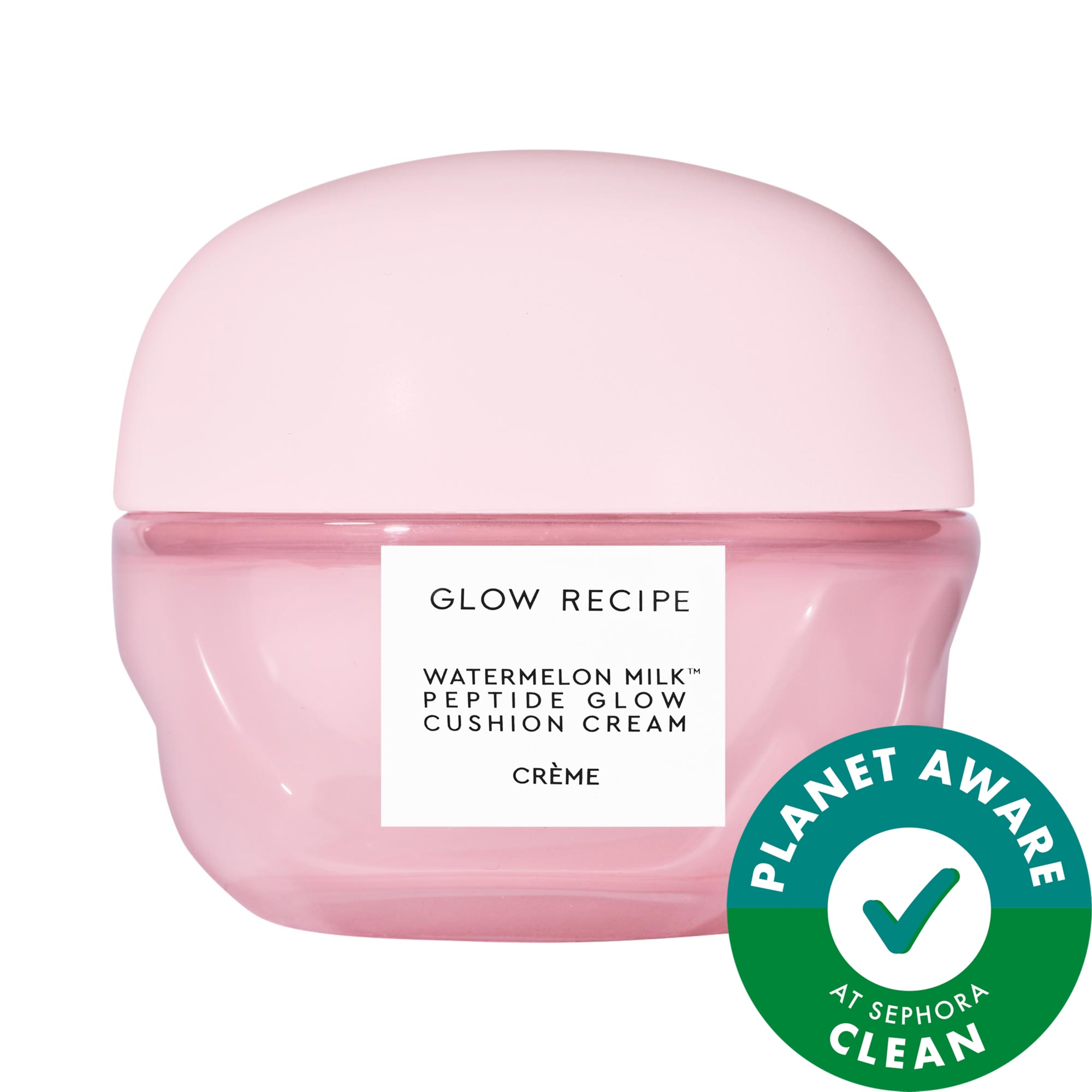
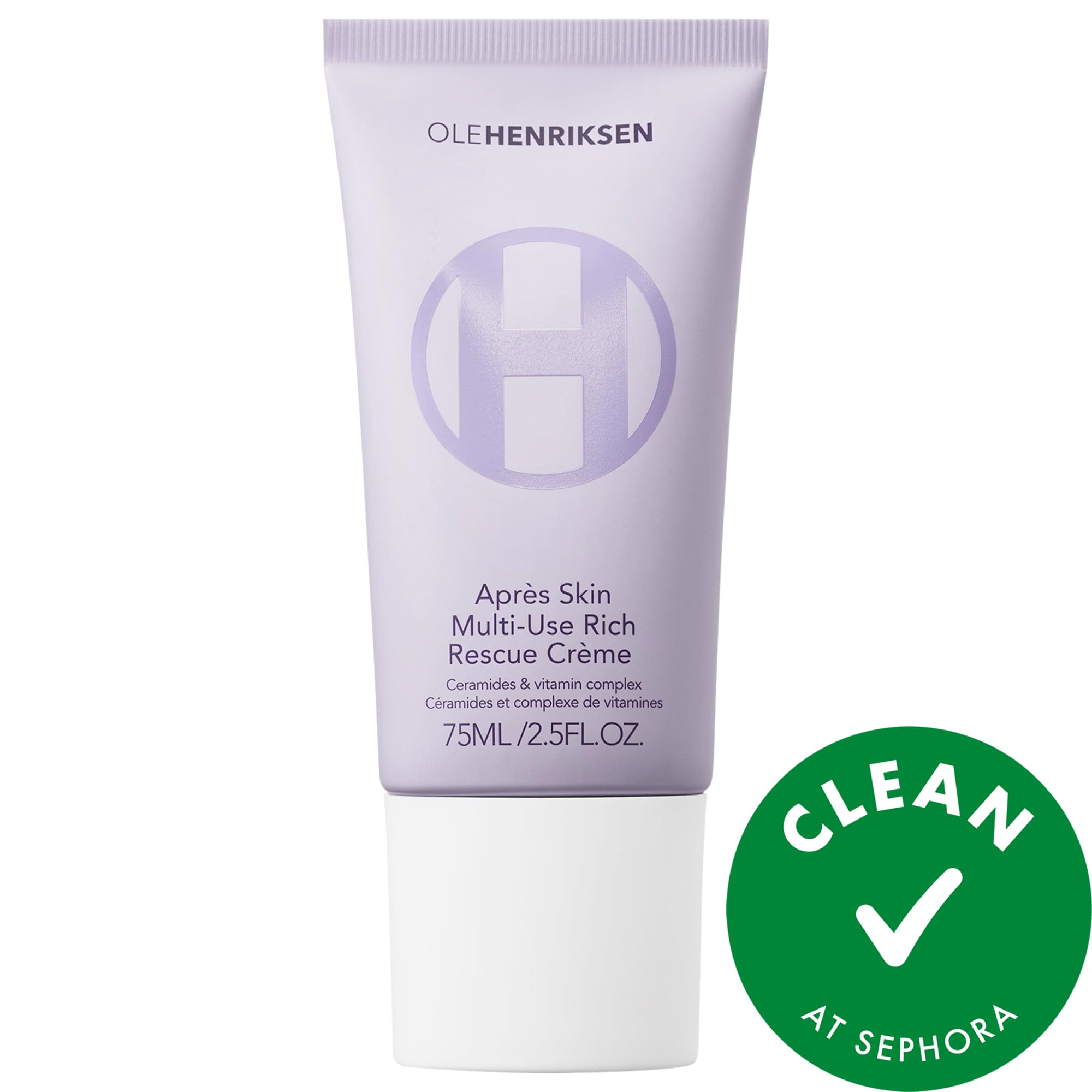
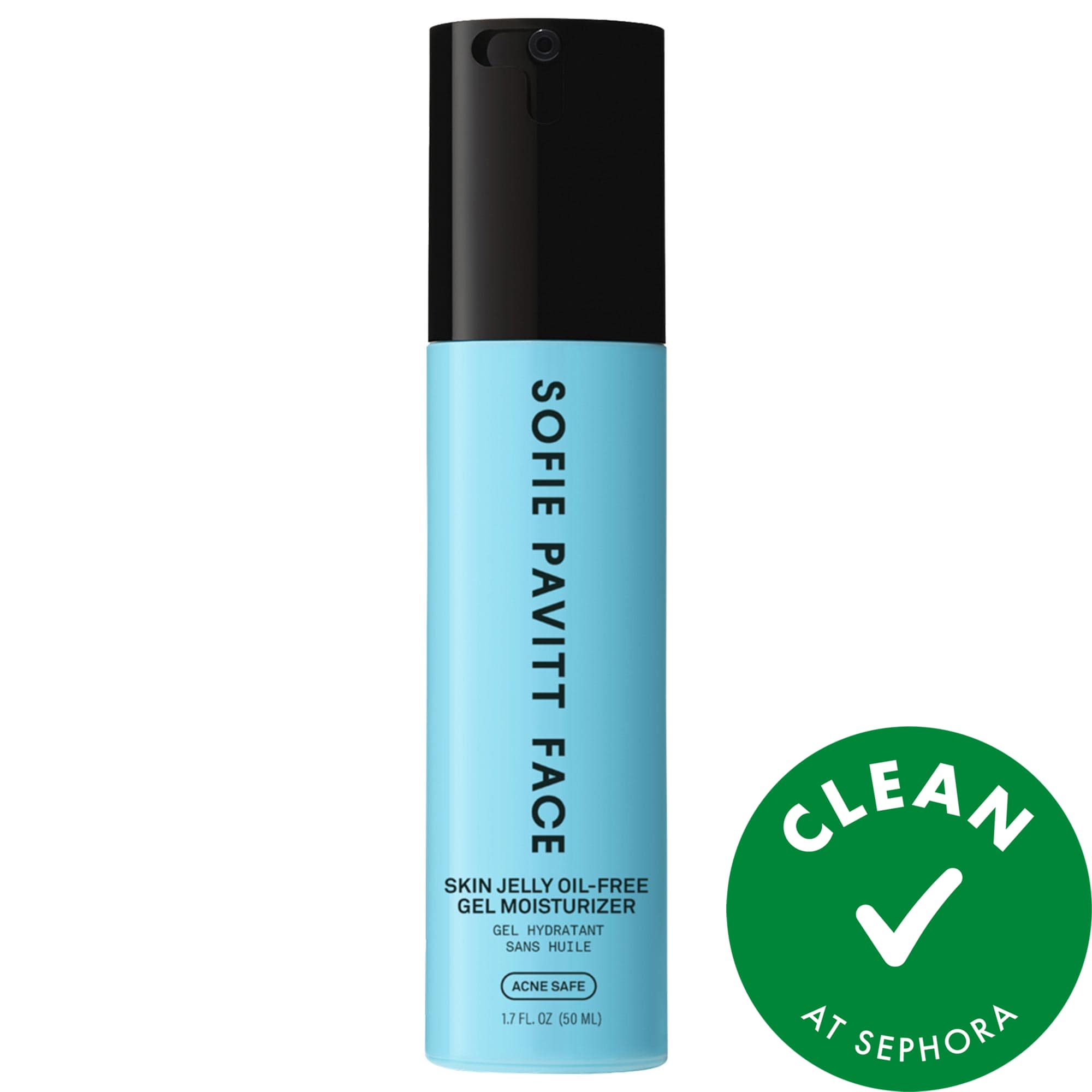
See full ranking →Anti-ageing moisturisers
See full ranking →


Frequently asked questions
What's the best anti-ageing skincare ingredient?
Retinoids (retinol, retinal, prescription tretinoin) are the most-studied with the strongest collagen-synthesis evidence. Vitamin C and peptides are excellent supportive layers. Daily broad-spectrum SPF prevents 80% of visible ageing — no serum compensates for skipping it.
When should I start using retinol?
Most dermatologists recommend starting retinol in your mid-20s as preventative, or any time after if you're noticing fine lines. Start at 0.025% retinol, 2-3 nights a week, build up over 8-12 weeks.
How long until I see results from anti-ageing skincare?
Visible smoothing of fine lines: 8-12 weeks. Measurable collagen change: 6+ months. Improvement in deeper static wrinkles requires consistent retinoid use over 12+ months alongside SPF — there are no faster shortcuts that aren't in-clinic procedures.
Can I use peptides and retinol together?
Yes — they pair well. Apply peptide serum first (water-based, needs direct contact), wait 30-60 seconds, then retinol. Or use them on alternate nights if your skin tolerates retinol but you want extra peptide exposure.
Do eye creams work?
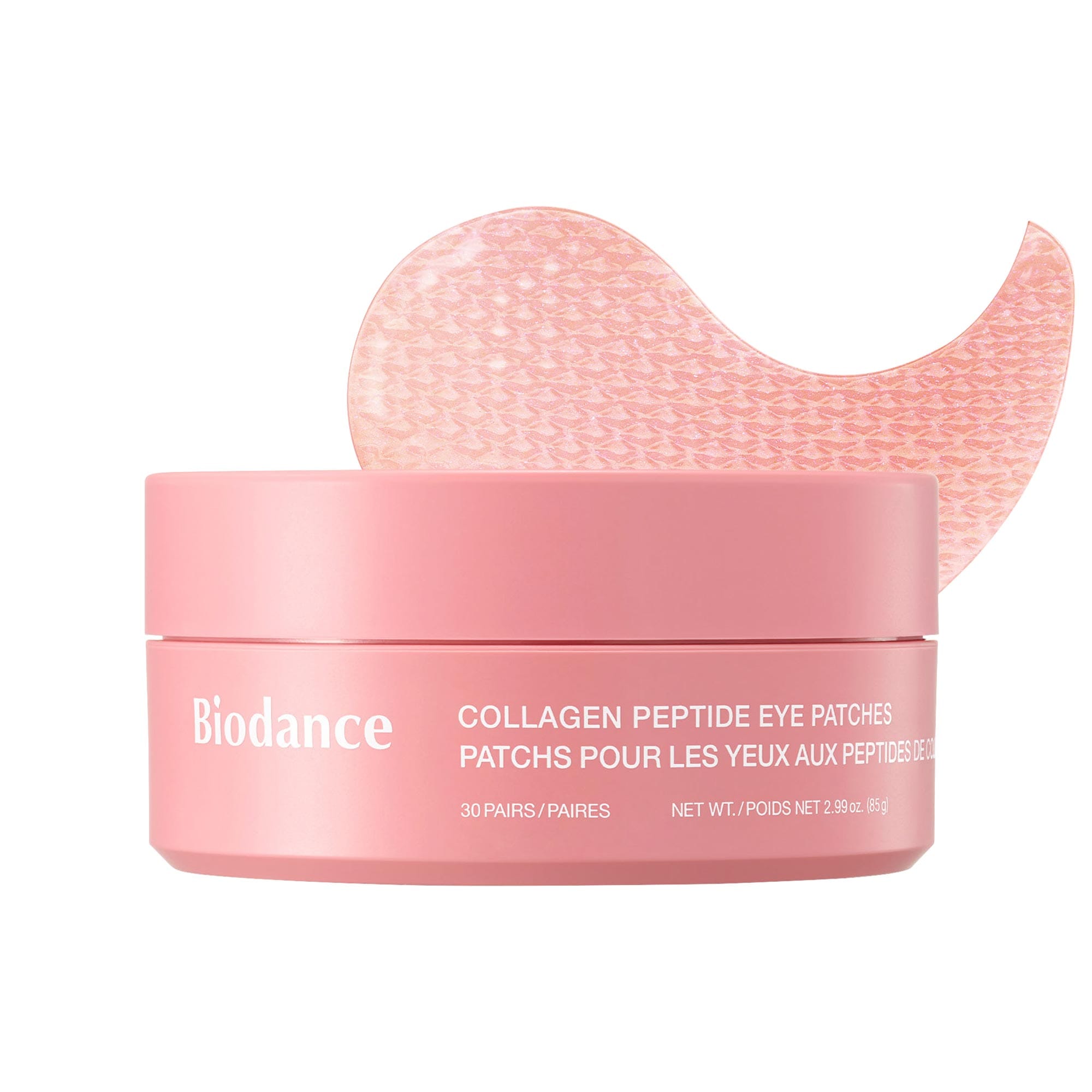
Eye creams are specially-formulated facial moisturisers designed for the thinner, more reactive skin around the eyes. They aren't strictly necessary but well-formulated ones (peptides, ceramides, retinal) outperform regular face cream for this area.
What's the most underrated anti-ageing ingredient?
Daily broad-spectrum SPF — and consistent application of it. Eight out of ten markers of facial ageing are UV-driven. SPF 30 every single morning, including indoors and in winter, is the highest-leverage anti-ageing step.
Are natural anti-ageing ingredients as effective as retinol?
Bakuchiol comes closest with credible clinical data. Most other 'natural alternatives' (rose hip oil, moringa, etc.) have minimal evidence vs retinoids. Bakuchiol works well as a retinol substitute for sensitive skin or pregnancy.