Best skincare for dark spots & hyperpigmentation
Dark spots are caused by excess melanin from sun exposure, post-inflammatory marks (PIH), or hormonal melasma. Treat them with vitamin C, niacinamide, alpha-arbutin, tranexamic acid, or azelaic acid — used daily with mandatory broad-spectrum SPF, the single most important step.
What is dark spots & hyperpigmentation?
Hyperpigmentation is the result of melanocytes producing too much melanin in localised patches. The three main triggers are UV exposure (sun spots, age spots), inflammation (post-acne marks, post-procedure marks), and hormones (melasma, often pregnancy or contraception related). Each type responds slightly differently to treatment, but the underlying principle is the same: slow melanin production and accelerate skin turnover so existing pigment fades.
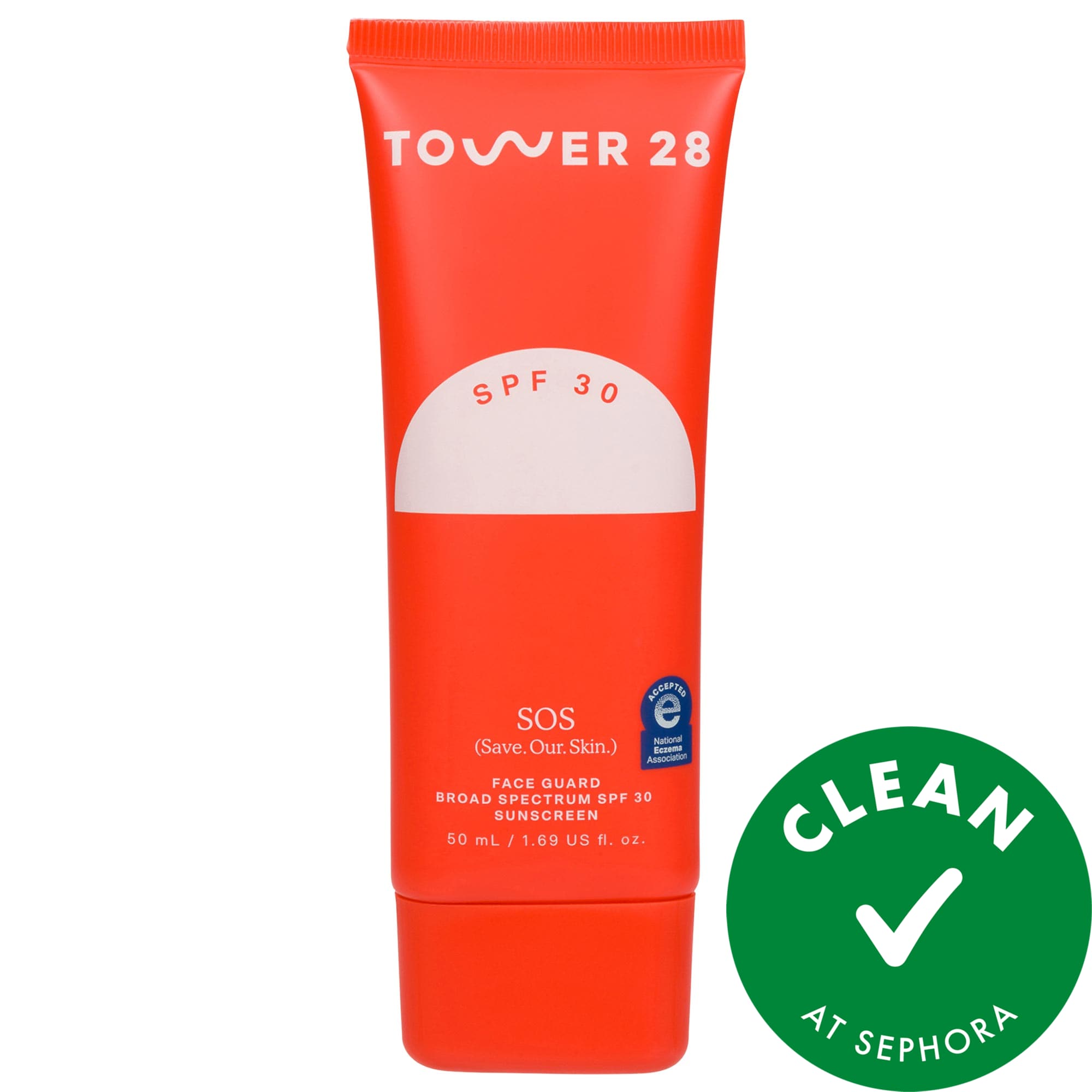
The single most important step for any dark-spot treatment is daily broad-spectrum SPF 30+. Without sun protection, every active you use is fighting against fresh UV-driven pigmentation. Realistic timelines: post-inflammatory marks fade in 8-16 weeks with consistent treatment. Sun spots fade in 16-24 weeks. Melasma often takes 6-12 months and tends to recur.
Best ingredients for dark spots & hyperpigmentation
Inhibits tyrosinase (the enzyme that produces melanin) and provides antioxidant photoprotection. The gold-standard daily brightener.
Best-in-class for stubborn melasma. Blocks the inflammatory pathway that drives pigmentation — works where vitamin C plateaus.
Inhibits melanin transfer from melanocytes to skin cells — different mechanism from vitamin C, so they layer powerfully.
Tyrosinase inhibitor with a gentler profile than hydroquinone. Excellent for sensitive skin or when paired with vitamin C.
Treats post-inflammatory hyperpigmentation and is one of the safest brighteners during pregnancy.
Accelerates cell turnover so pigmented cells shed faster. Pair with brighteners for combined results.
Ingredients to avoid
- ✗High-fragrance products on pigmented areas
Fragrance can trigger photo-toxic reactions in sun-exposed skin, worsening pigmentation.
- ✗Bergamot, lemon, lime essential oils (in leave-on products)
Phototoxic citrus oils can cause pigmented patches when combined with UV exposure.
- ✗Skipping SPF
Not an ingredient, but the single biggest cause of treatment failure. UV undoes every brightening serum.
Recommended routine
☀ Morning
- Gentle cleanser
- Vitamin C serum (10-20% L-ascorbic acid or derivative)
- Niacinamide or alpha-arbutin (optional layer)
- Hydrating moisturiser
- Broad-spectrum SPF 30-50 (non-negotiable)
☾ Evening
- Gentle cleanser
- Tranexamic acid OR retinol (alternate nights for sensitive skin)
- Niacinamide
- Barrier-repair moisturiser
Top products for dark spots & hyperpigmentation
Brightening serums
See full ranking →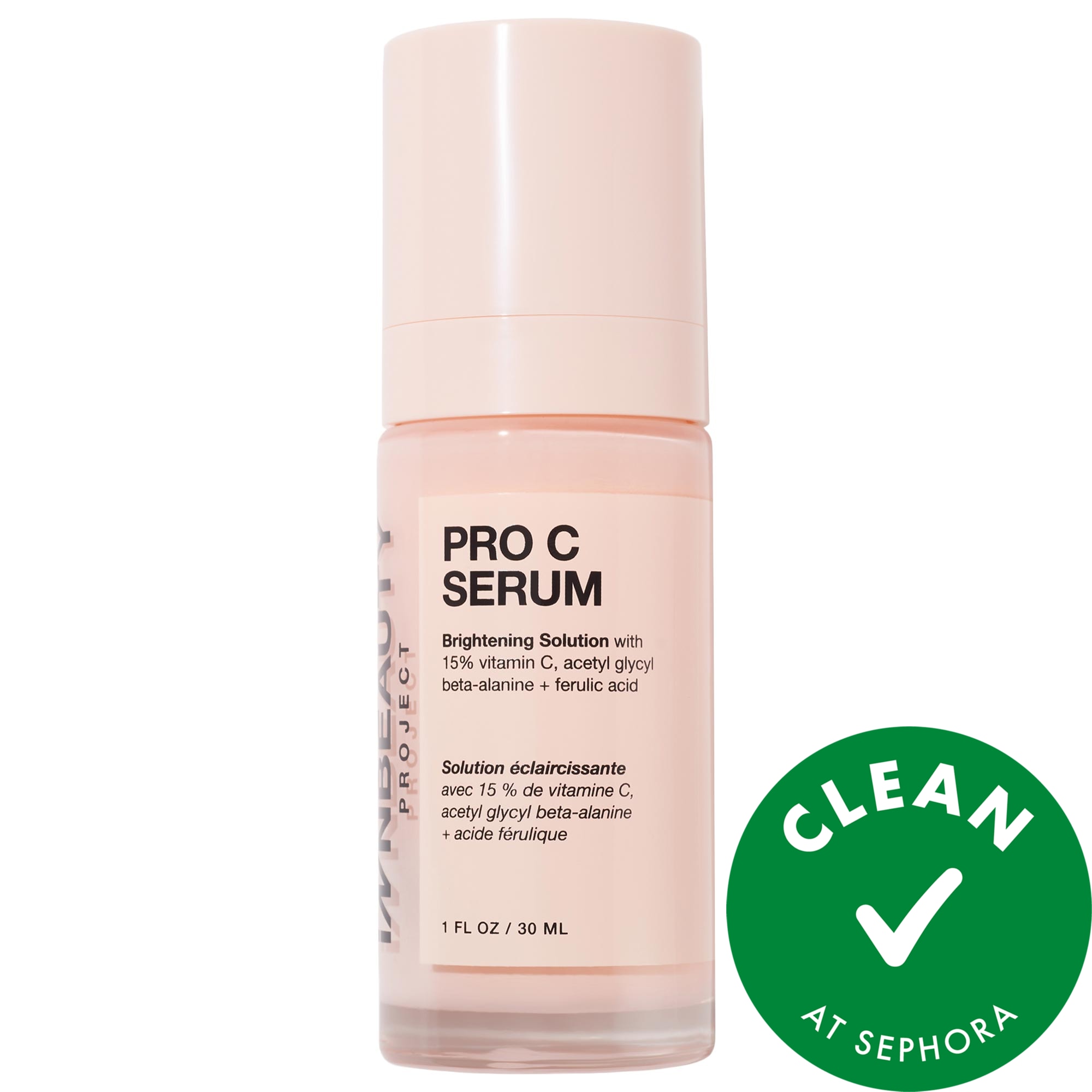
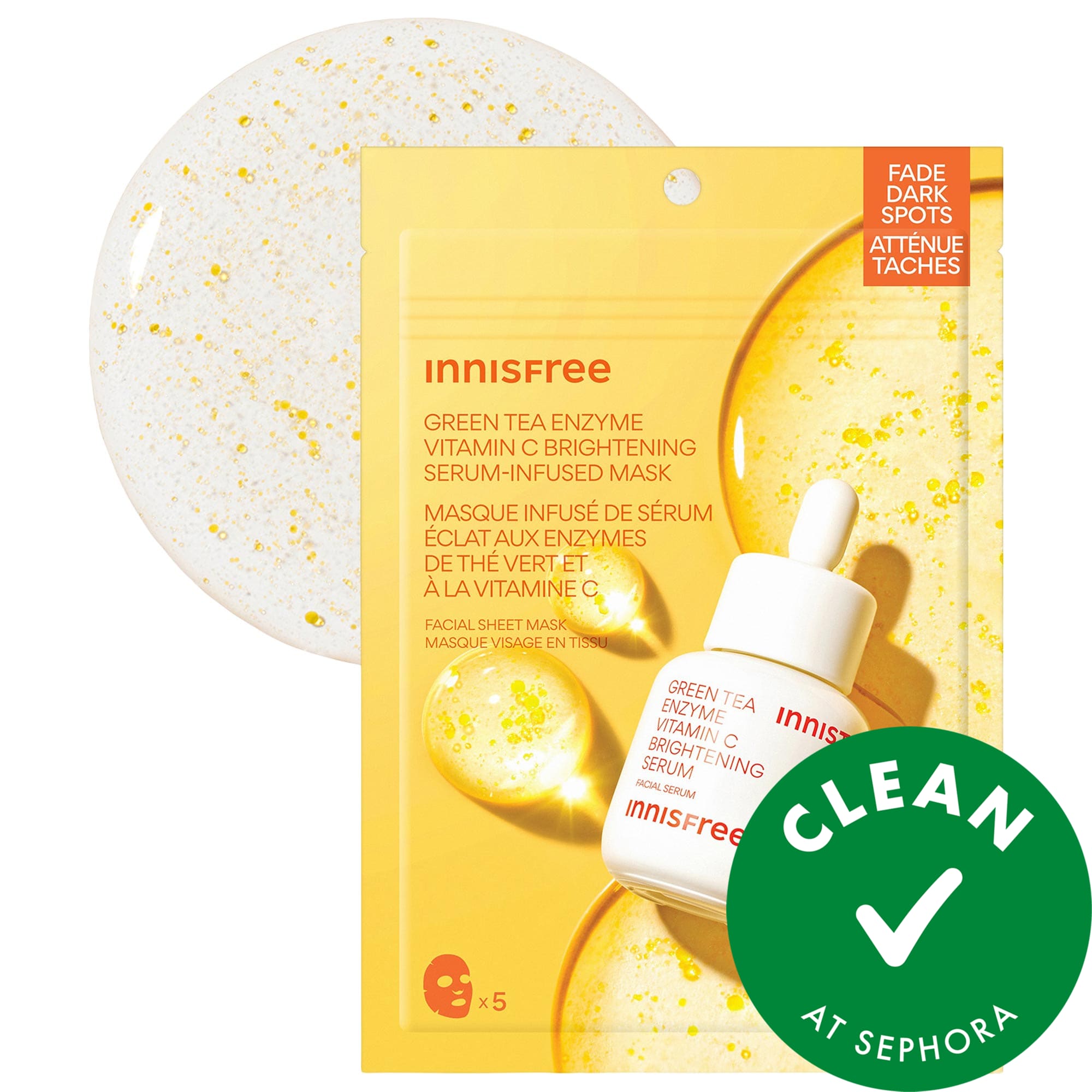
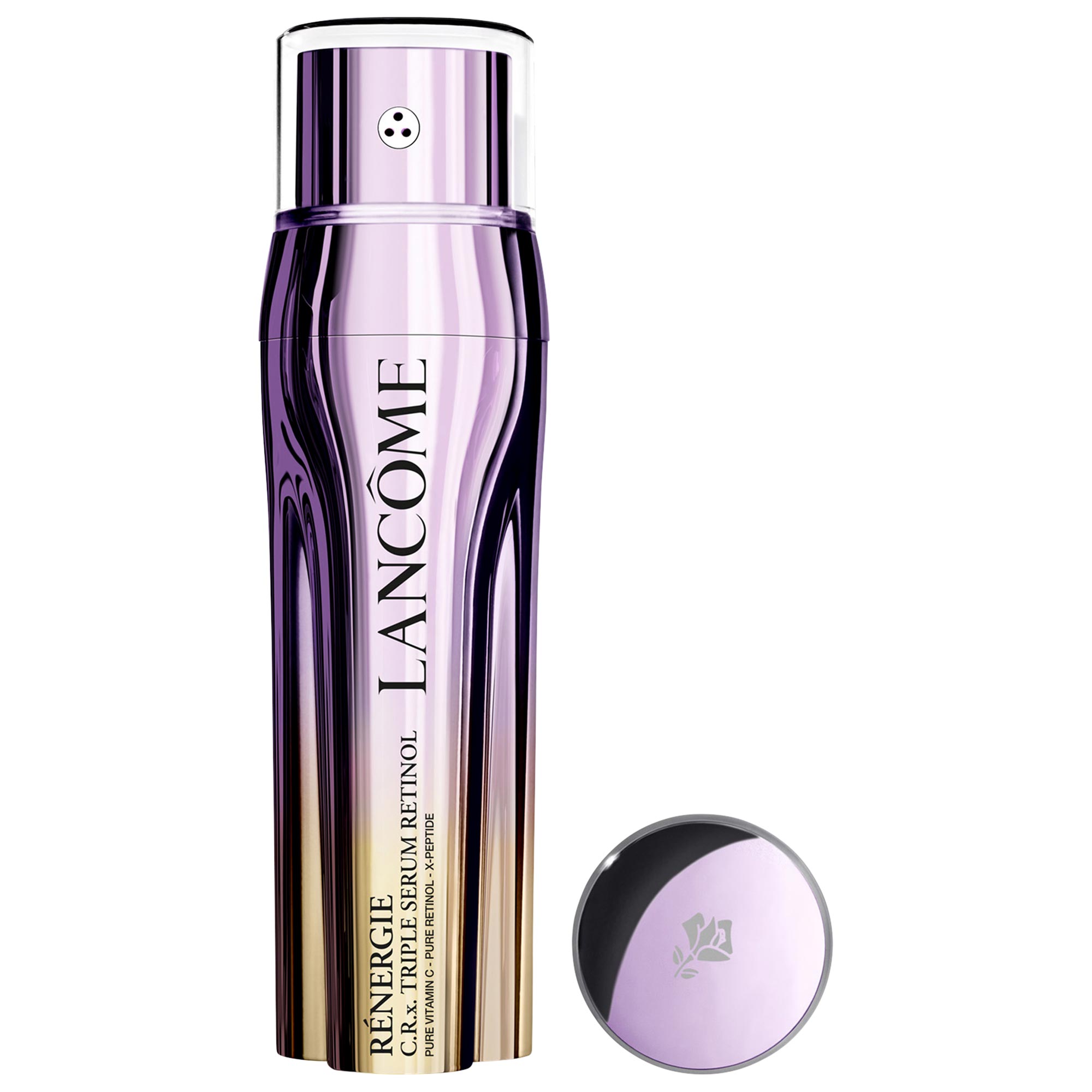
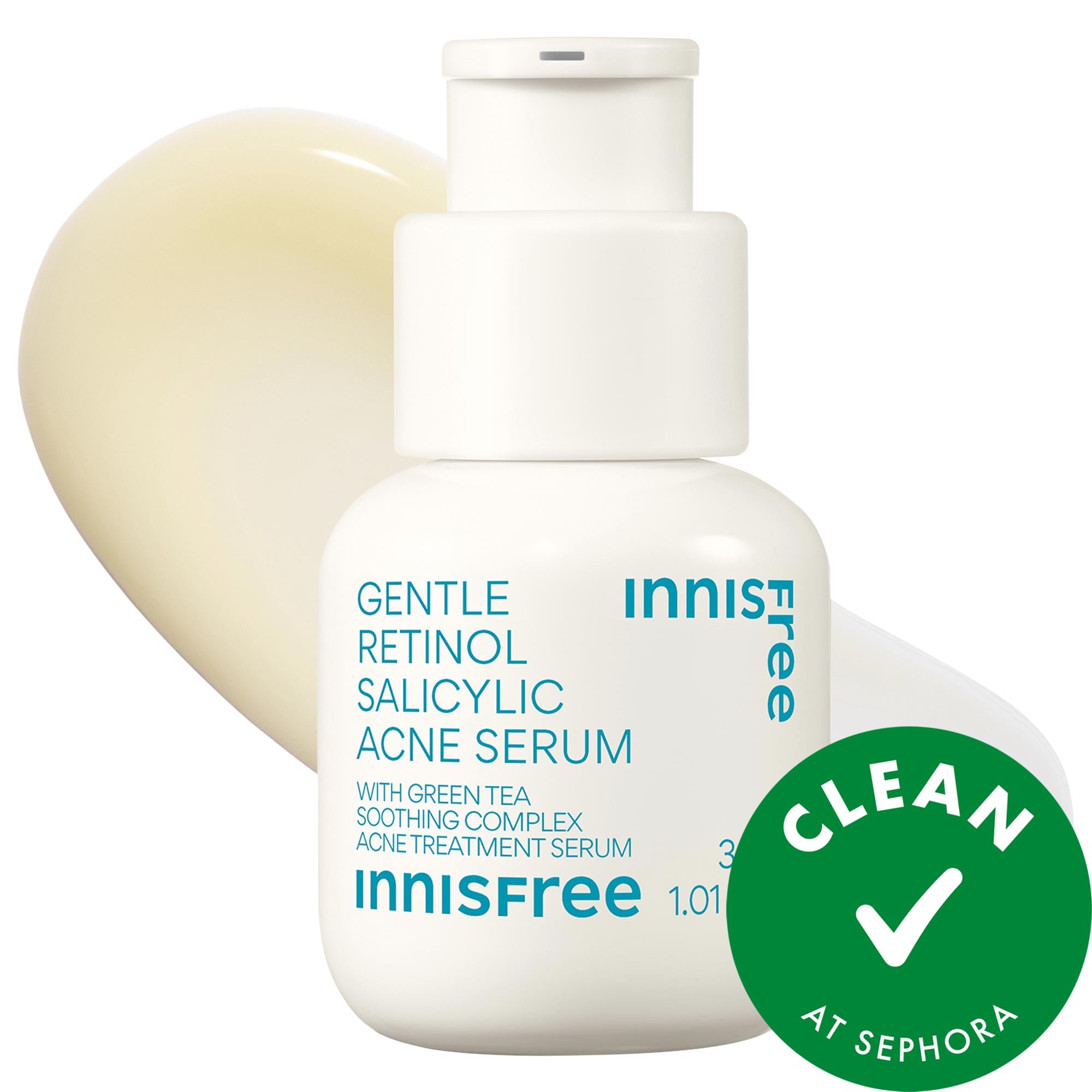
Serums for dark spots
See full ranking →Vitamin C serums
See full ranking →


Frequently asked questions
What's the best ingredient for dark spots?
Vitamin C (10-20% L-ascorbic acid) is the most-studied. For stubborn melasma, tranexamic acid is more effective. For post-acne marks, azelaic acid or niacinamide. The most successful routines stack 2-3 of these alongside daily SPF.
How long do dark spots take to fade?
Post-inflammatory marks fade in 8-16 weeks with consistent active use and daily SPF. Sun spots take 16-24 weeks. Melasma often takes 6-12 months and tends to recur if SPF is skipped.
Can vitamin C and niacinamide be used together for hyperpigmentation?
Yes — and this combination is more effective than either alone. They attack pigmentation through different mechanisms: vitamin C blocks melanin production, niacinamide blocks transfer to surrounding skin cells.
Does SPF really matter for dark spots?
It is the single most important step. Without daily broad-spectrum SPF, every brightening serum is fighting against fresh UV-driven pigmentation. SPF 30 minimum, SPF 50 ideal, reapplied every 2 hours during sun exposure.
What's the difference between melasma and sun spots?
Sun spots are localised UV-damage spots in chronically exposed areas (cheekbones, forehead, hands). Melasma is hormonal, symmetrical, often patchy across the cheeks/forehead/upper lip, and tends to recur with hormonal fluctuations.
Can I use retinol for dark spots while pregnant?
No — retinoids should be avoided during pregnancy and breastfeeding. Use azelaic acid (pregnancy-safe), niacinamide, vitamin C, and SPF instead. See a dermatologist for prescription tranexamic acid options.