Best skincare for melasma
Melasma is a hormonal hyperpigmentation that produces symmetrical patches on the cheeks, forehead, or upper lip. Treat with tranexamic acid, azelaic acid, niacinamide, and the strictest possible daily broad-spectrum SPF — the single biggest controllable factor.
What is melasma?
Melasma is hormonally driven hyperpigmentation that affects an estimated 6 million people in the US alone. It presents as patchy brown or grey-brown pigmentation, usually symmetrical across the cheeks, forehead, upper lip and chin. Triggers include pregnancy ('mask of pregnancy'), oral contraceptives, hormone therapy, and any sustained UV or visible-light exposure.
Unlike post-inflammatory pigmentation or sun spots, melasma is notoriously stubborn and recurs easily. Treatment is long-term (6-12+ months for visible improvement) and SPF is non-negotiable — including iron-oxide-tinted SPF, since visible light from screens and indoor lighting also drives melasma. Severe or treatment-resistant cases benefit hugely from dermatology-prescribed combinations (modified Kligman's formula, oral tranexamic acid, in-office laser).
Best ingredients for melasma
The most effective non-prescription option for melasma. Blocks the inflammatory pathway that triggers pigment, where vitamin C alone often plateaus.
Pregnancy-safe (when most other actives aren't), and clinically effective for melasma at 15-20% strength.
Inhibits melanin transfer and reduces inflammation that worsens melasma flares.
Tyrosinase inhibitor that's gentler than hydroquinone — safer for the long-term regimens melasma requires.
Antioxidant photoprotection that boosts SPF efficacy — essential layer in any melasma routine.
Ingredients to avoid
- ✗Heat-exposed skincare
Heat itself triggers melasma. Avoid hot showers on the face, saunas, and warming masks during active flares.
- ✗Strong physical exfoliation
Aggressive scrubs cause inflammation that worsens melasma — the inflammatory pathway is the same one tranexamic acid blocks.
- ✗Fragrance and essential oils
Photosensitising fragrances can trigger melasma flares in sun-exposed skin.
Recommended routine
☀ Morning
- Gentle hydrating cleanser
- Vitamin C serum
- Tranexamic acid serum
- Niacinamide
- Iron-oxide-tinted broad-spectrum SPF 50
☾ Evening
- Gentle cleanser
- Azelaic acid 10-20%
- Niacinamide
- Barrier moisturiser with ceramides
Top products for melasma
Serums for dark spots
See full ranking →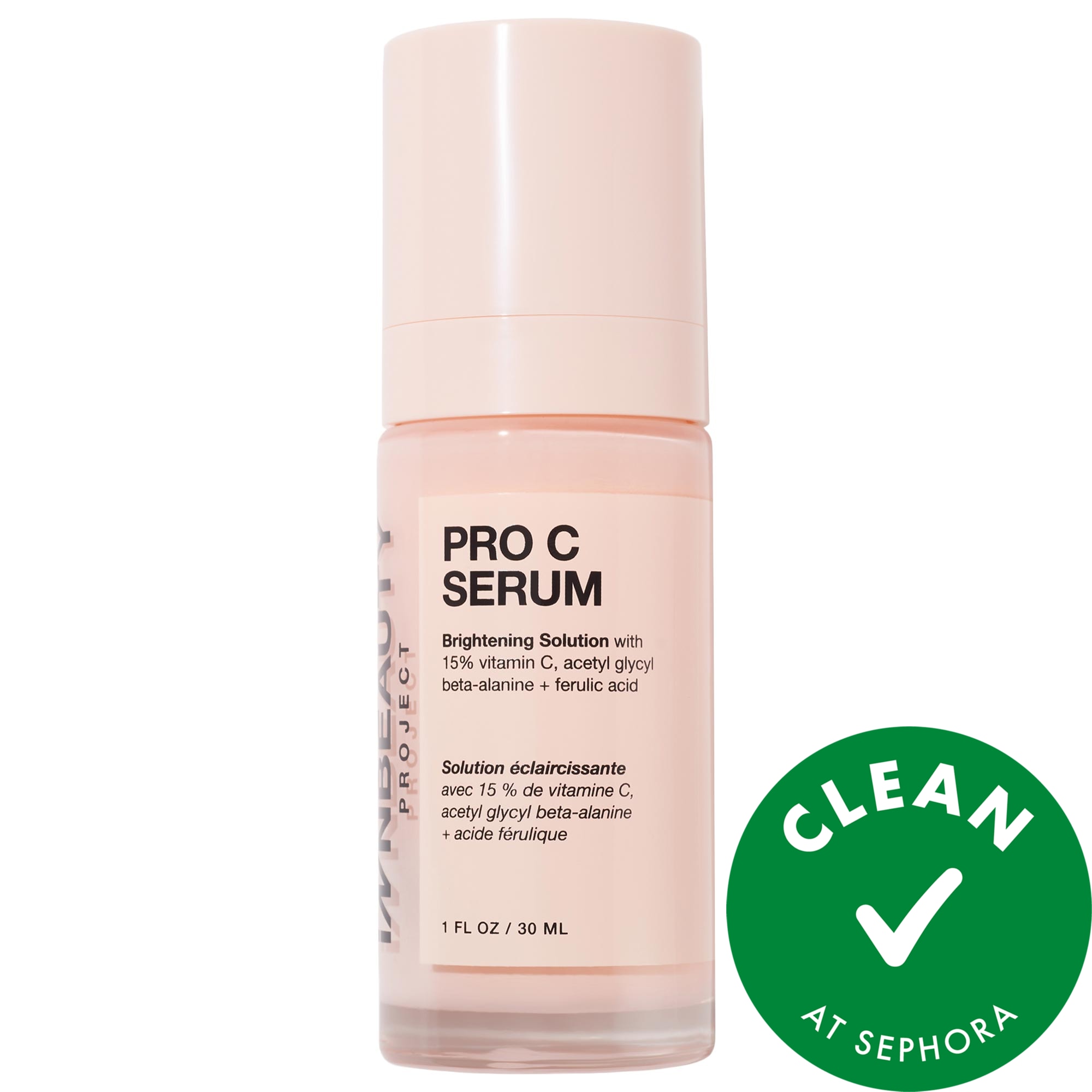
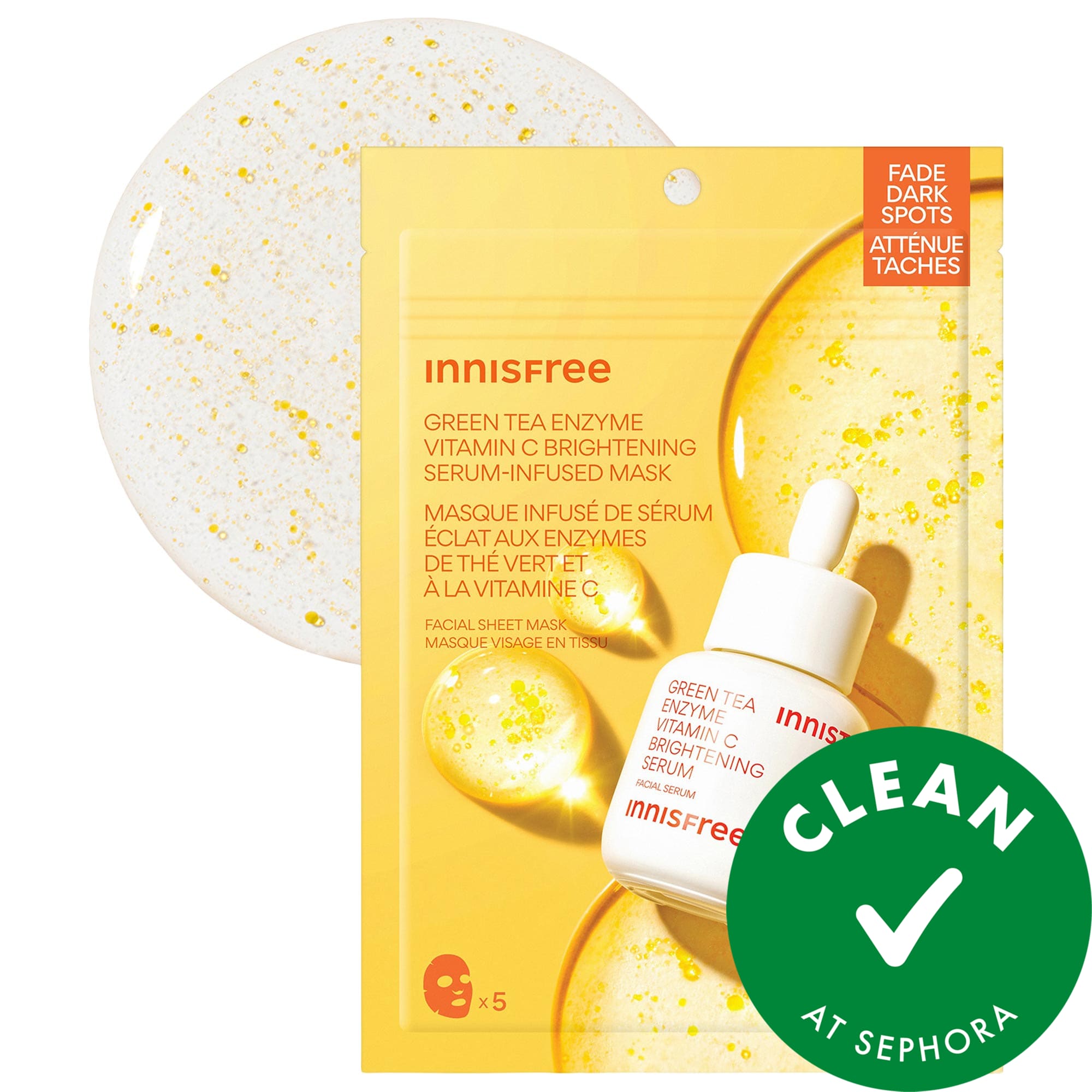
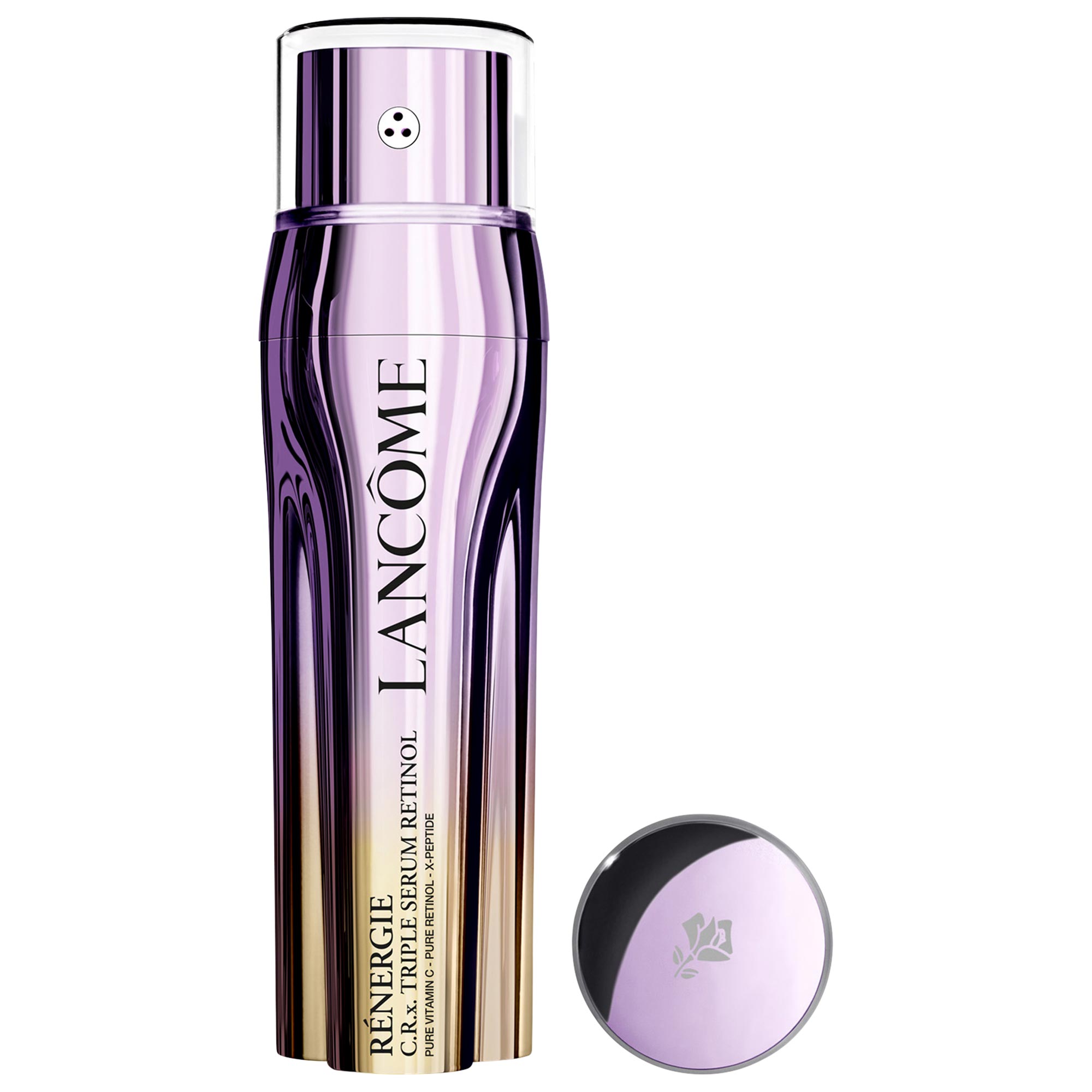
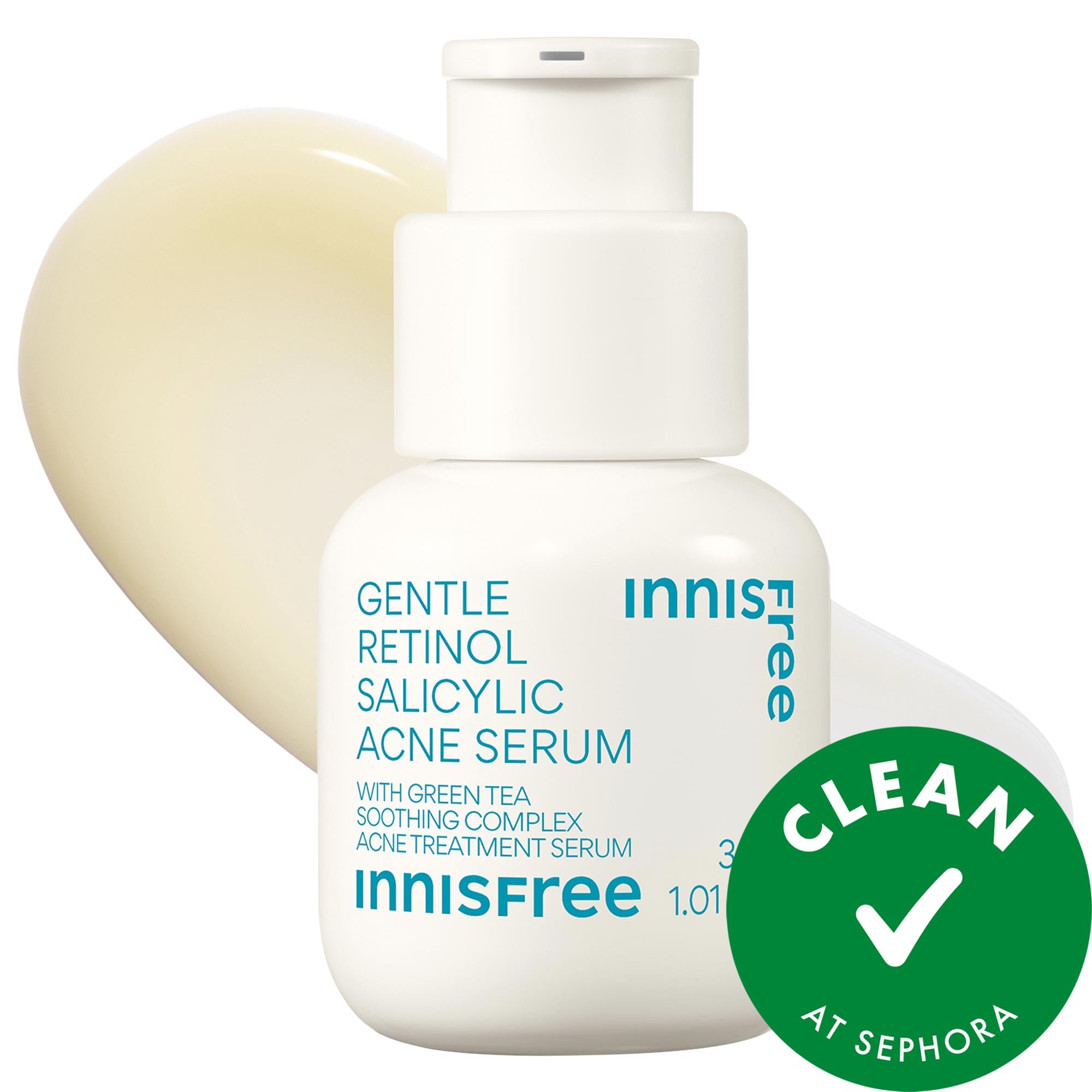
Brightening serums
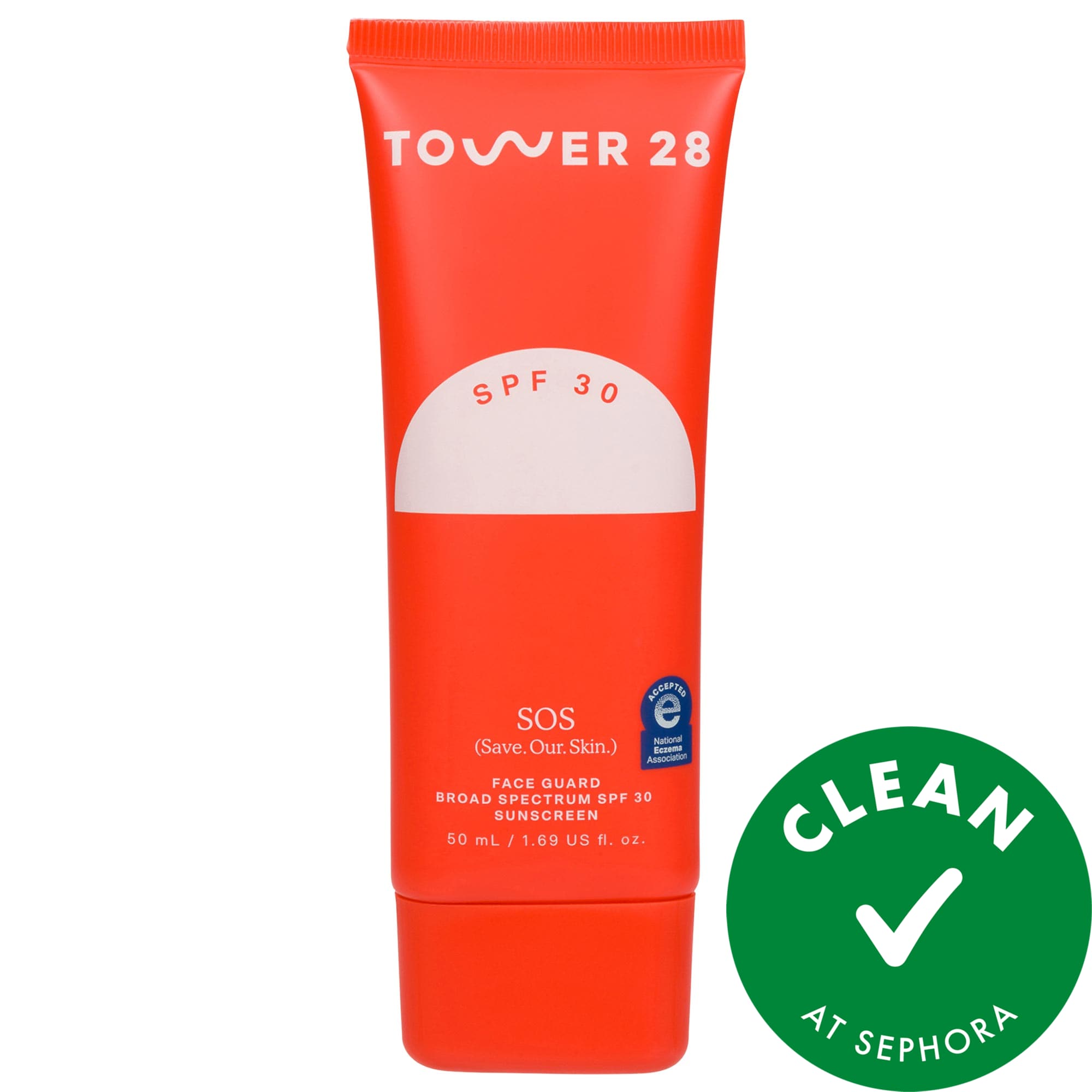
See full ranking →Tinted SPF (iron oxides for visible light)
See full ranking →


Frequently asked questions
What's the most effective treatment for melasma?
Daily broad-spectrum SPF 30-50 with iron oxides (visible-light protection) is the foundation. Topical tranexamic acid, azelaic acid 15-20%, and niacinamide are the most effective ingredients. Severe cases benefit from prescription tretinoin, hydroquinone, or oral tranexamic acid via a dermatologist.
Why is melasma so hard to treat?
Melasma is hormonally driven, recurs easily, and is triggered by both UV and visible light (including indoor lighting and screens). Treatment requires 6-12+ months of consistent active use and lifelong SPF discipline. Hormonal triggers (pregnancy, contraceptives) often need to resolve too.
Can melasma go away on its own?
Sometimes — pregnancy-related melasma may fade after delivery and breastfeeding ends. But sun-exposed melasma usually persists or worsens without treatment. Daily SPF is the single biggest factor in whether melasma stabilises or progresses.
Does vitamin C help with melasma?
It helps as a supportive layer (antioxidant photoprotection, mild tyrosinase inhibition) but rarely treats melasma alone. Combined with tranexamic acid, azelaic acid, and SPF it forms a strong regimen.
Can I treat melasma during pregnancy?
Avoid retinoids, hydroquinone, and high-dose salicylic acid during pregnancy. Safe options include azelaic acid, niacinamide, vitamin C, and broad-spectrum SPF. See a dermatologist for personalised guidance.
What's the difference between melasma and dark spots?
Dark spots are localised UV-damage spots. Melasma is hormonal, symmetrical, patchy, and tends to recur. Melasma also responds to visible light, not just UV — so iron-oxide tinted SPF matters more.