Best skincare for redness
Persistent facial redness is usually inflammation, barrier dysfunction, or vascular reactivity (rosacea-adjacent). The most effective ingredients are azelaic acid, niacinamide, centella, panthenol, and ceramides — combined with a gentle non-stripping cleanser and broad-spectrum SPF.
What is redness?
Facial redness has many causes — barrier damage from over-exfoliation, contact reactions to fragrance or surfactants, inflammatory acne, sensitive-skin reactivity, and rosacea (which is its own category and benefits from clinical care). The visible redness is dilated blood vessels, inflammation, or both.
The treatment principle is to calm inflammation, repair the barrier, and remove triggers. Avoid heat, alcohol-based toners, fragrance, and physical scrubs. A simple routine — gentle cleanser, calming serum, ceramide moisturiser, mineral SPF — is far more effective than a complicated stack of actives.
Best ingredients for redness
Anti-inflammatory and anti-vascular — one of the most effective non-prescription ingredients for visible redness.
Reduces transepidermal water loss, supports the barrier, and calms inflammation. Universally well tolerated.
Asiaticoside and madecassoside accelerate wound healing and calm reactive skin. K-beauty's go-to for redness.
Soothes irritation, hydrates, and supports barrier repair without any irritation profile of its own.
Replenishes the lipids that hold the barrier together — without barrier integrity, redness keeps recurring.
Ingredients to avoid
- ✗Denatured alcohol high in INCI
Strips lipids and worsens reactive flushing.
- ✗Fragrance
Top trigger for contact reactions and inflammation. Choose fragrance-free where possible.
- ✗Physical scrubs
Microtears amplify inflammation. Use chemical exfoliants sparingly, never daily.
- ✗Hot water on the face
Triggers vascular dilation and worsens visible redness.
Recommended routine
☀ Morning
- Cool/lukewarm water rinse or gentle cream cleanser
- Centella or panthenol essence (optional)
- Niacinamide serum
- Ceramide-rich moisturiser
- Mineral SPF (zinc oxide gentlest for redness)
☾ Evening
- Gentle cream cleanser
- Azelaic acid 10-15% (3-5 nights/week)
- Centella or snail mucin essence
- Ceramide moisturiser or sleeping mask
Top products for redness
Moisturisers for redness
See full ranking →
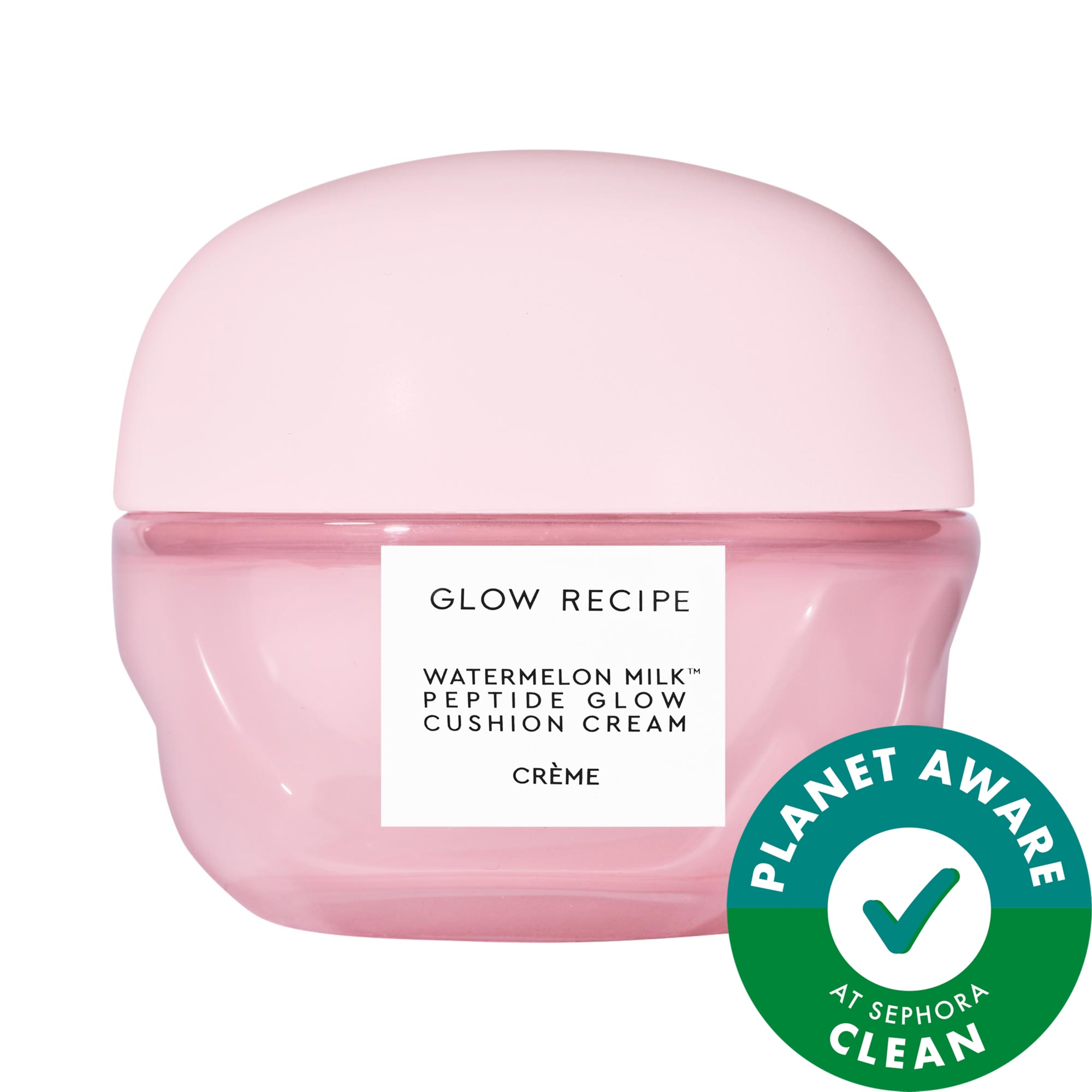
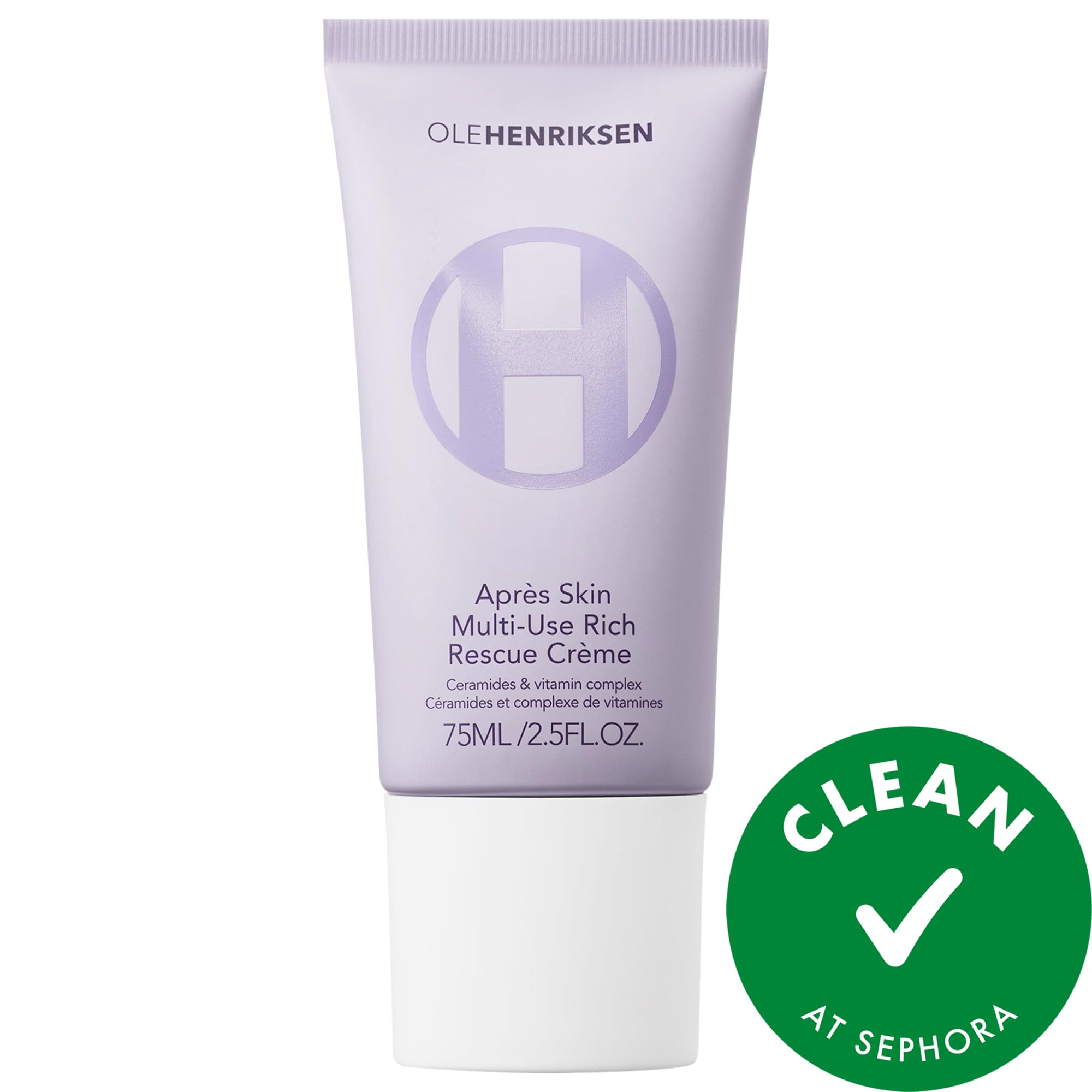
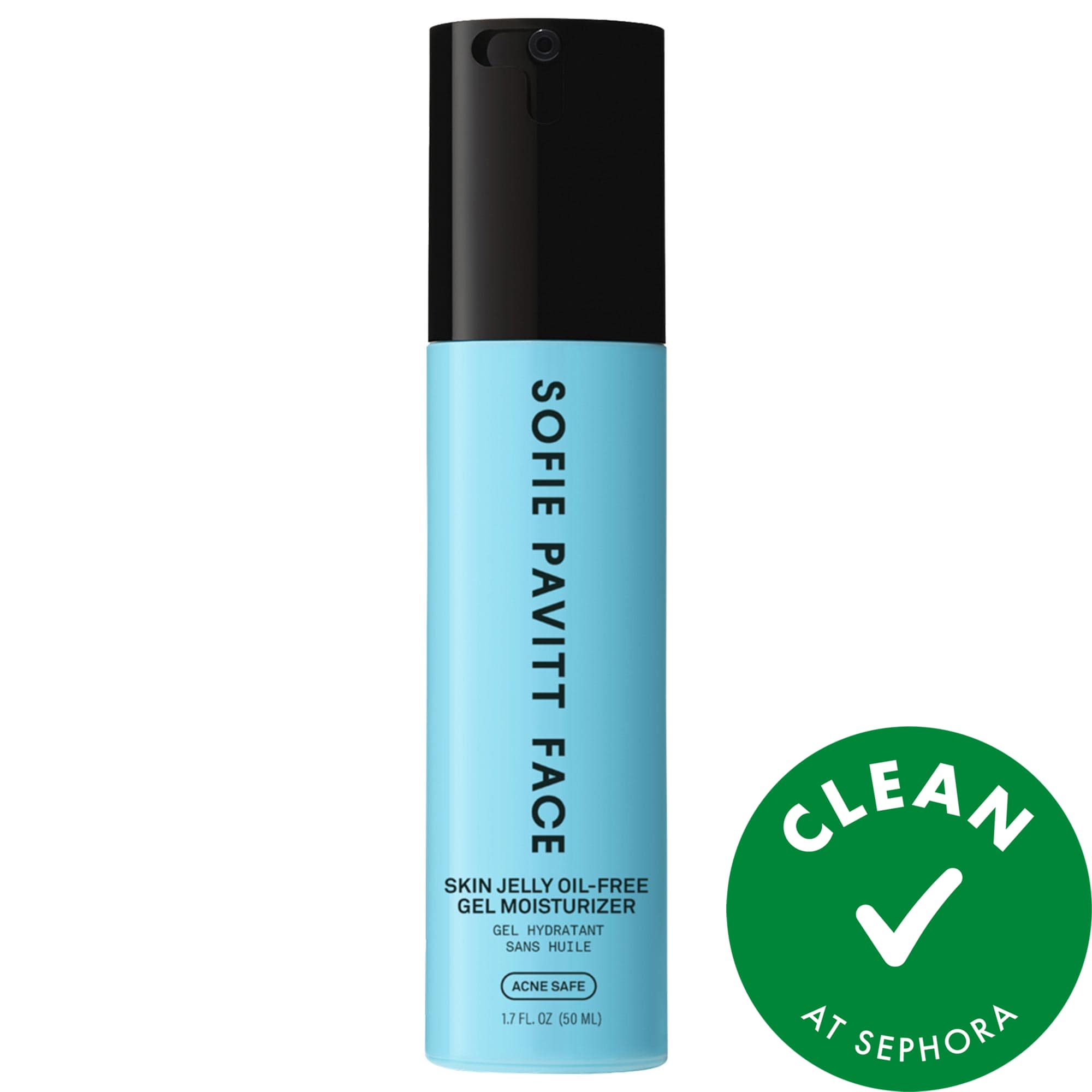
Moisturisers for sensitive skin
See full ranking →Barrier-repair moisturisers
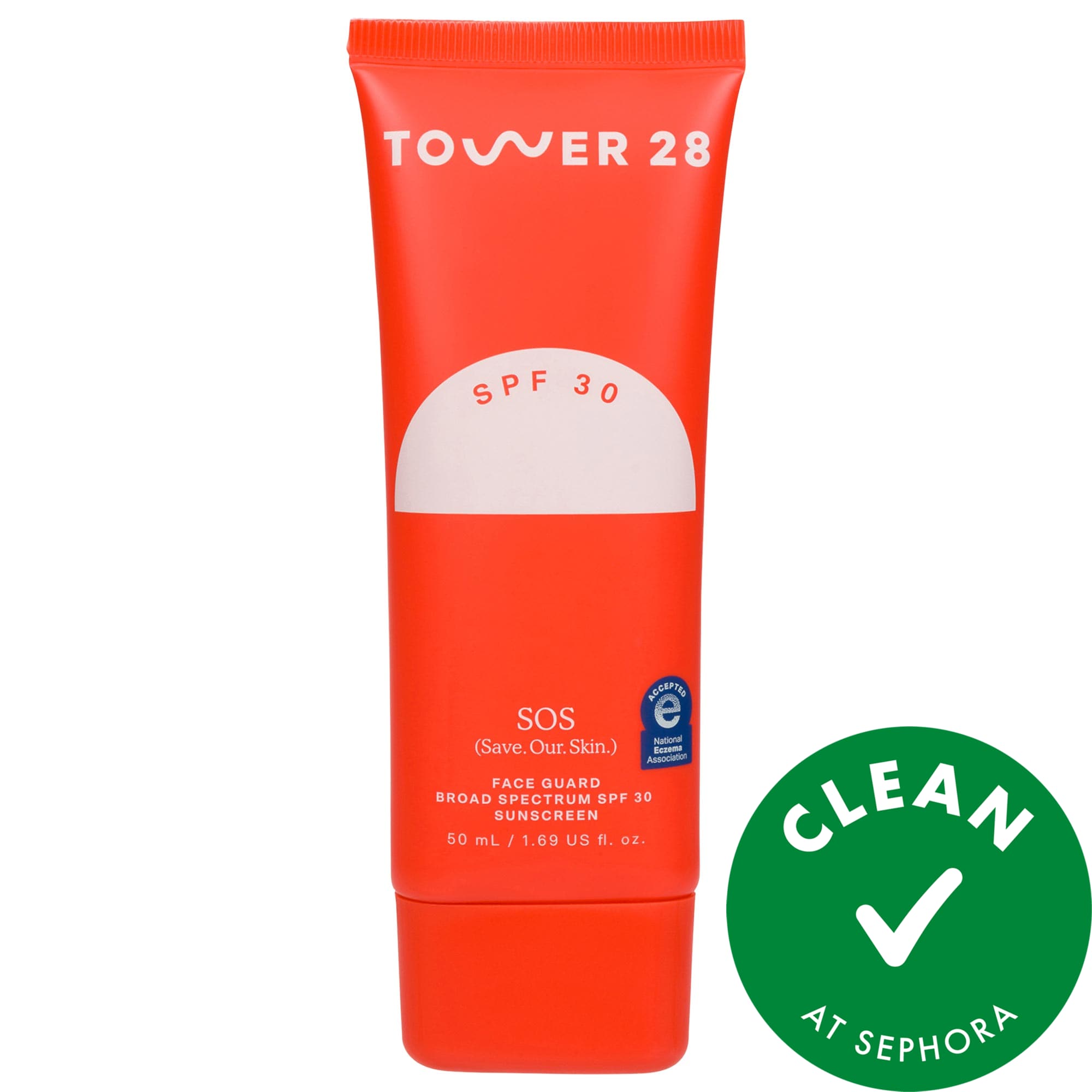
See full ranking →SPF for sensitive skin
See full ranking →


Frequently asked questions
What's the best skincare ingredient for redness?
Azelaic acid 10-15% is the most effective non-prescription option. For maintenance, niacinamide and centella. For barrier support, panthenol and ceramides. The combination of these four is the foundation of most redness-calming routines.
Is rosacea the same as redness?
Rosacea is a specific inflammatory skin condition with persistent redness, visible blood vessels, and sometimes acne-like papules. General facial redness can come from many causes — barrier damage, over-exfoliation, contact reactions. Rosacea benefits from dermatologist care; general redness usually responds to ingredient changes.
Should I exfoliate if I have redness?
Less is more. Skip physical scrubs entirely. Limit chemical exfoliants to 1-2 times per week with the gentlest options (PHA, low-percentage mandelic acid). Stop exfoliating during active flares.
Can I use vitamin C with red, sensitive skin?
Choose a gentler form — sodium ascorbyl phosphate or magnesium ascorbyl phosphate at 5-10% rather than L-ascorbic acid at 15-20%. Patch test first. Apply less frequently if redness flares.
Why does my face go red after washing?
Usually water temperature (too hot), surfactant aggression, or barrier compromise. Switch to lukewarm water and a gentle cream or hydrating gel cleanser. Persistent post-wash redness suggests the barrier needs repair — focus on ceramides and stop all actives for 2 weeks.
What ingredients trigger facial redness?
Fragrance (top trigger), denatured alcohol high in the INCI, harsh sulfates, physical scrubs, and over-stacked actives. Heat, alcohol consumption, spicy food and stress also worsen vascular reactivity.