Best skincare for rosacea
Rosacea is a chronic inflammatory condition causing persistent facial redness, visible vessels, and sometimes acne-like bumps. Treat with azelaic acid 15%, niacinamide, ceramides, mineral SPF, and trigger management — combined with dermatologist-led prescription care for moderate-to-severe cases.
What is rosacea?
Rosacea affects roughly 16 million people in the US. It usually appears after age 30 as persistent redness across the cheeks, nose, chin and forehead, often with visible blood vessels (telangiectasias) and sometimes acne-like papules and pustules. There are four subtypes — erythematotelangiectatic (redness/vessels), papulopustular (acne-like), phymatous (thickening), and ocular (eye involvement) — and they overlap.
Skincare-side, the principle is identical to general redness management plus stricter trigger avoidance: heat, alcohol, sun, spicy food, stress, and certain skincare ingredients all flare rosacea. Effective treatment is best done with a dermatologist — prescription topicals (metronidazole, ivermectin, brimonidine, oxymetazoline) and oral options (low-dose doxycycline, isotretinoin) work much better than OTC ingredients alone.
Best ingredients for rosacea
Prescription-strength is gold-standard for rosacea, and 10-15% OTC versions are clinically supported for redness and inflammatory papules.
Reduces transepidermal water loss, supports the barrier, and calms inflammation — universally tolerated by rosacea-prone skin.
Calms inflammation and supports barrier repair. K-beauty's quiet rosacea hero.
Replenish the barrier lipids that rosacea-prone skin chronically loses.
Soothes irritation, supports hydration, no irritation profile of its own.
Ingredients to avoid
- ✗Fragrance
Top reported trigger for rosacea flares.
- ✗Denatured alcohol
Strips the already-fragile barrier and triggers visible flushing.
- ✗Glycolic acid / strong AHAs
Often too aggressive for rosacea-prone skin. Mandelic or PHA gentler if exfoliation is needed.
- ✗Menthol, camphor, eucalyptus, peppermint
Cooling-feel ingredients trigger vascular reactivity in rosacea.
Recommended routine
☀ Morning
- Cool/lukewarm water rinse
- Niacinamide serum
- Ceramide moisturiser
- Mineral SPF (zinc oxide)
☾ Evening
- Gentle cream cleanser
- Azelaic acid 10-15% (or prescription options)
- Centella ampoule
- Ceramide-rich moisturiser or sleeping mask
Top products for rosacea
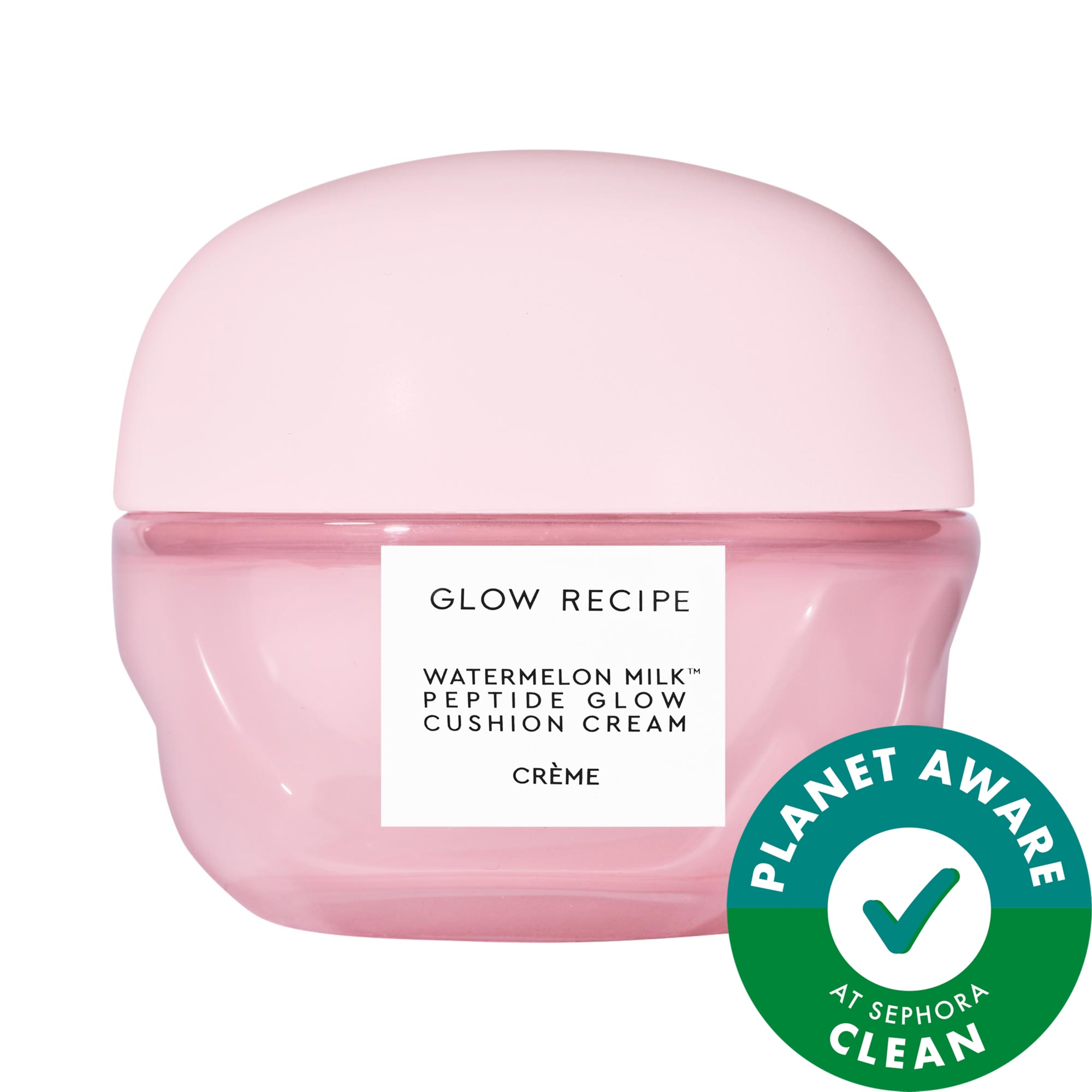
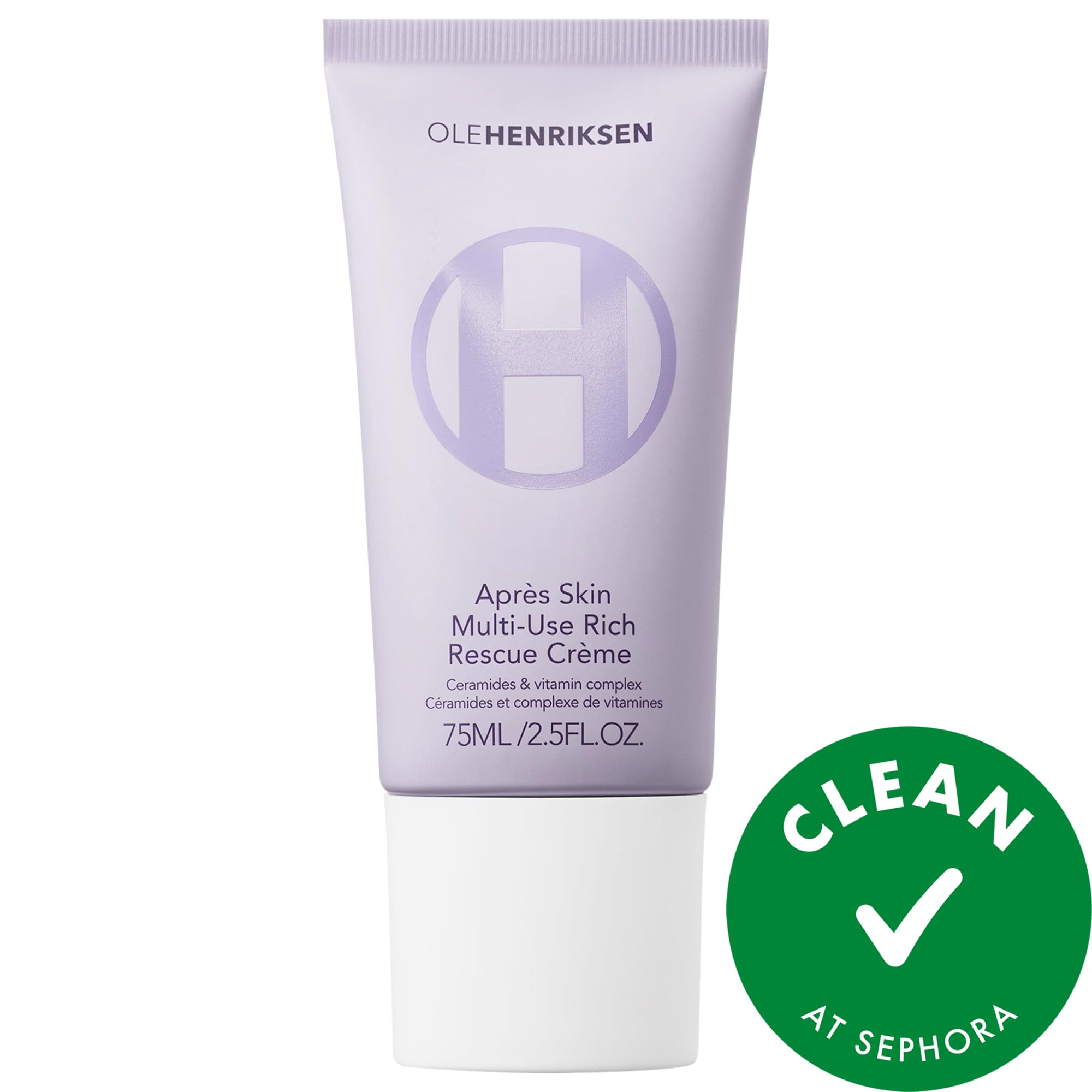
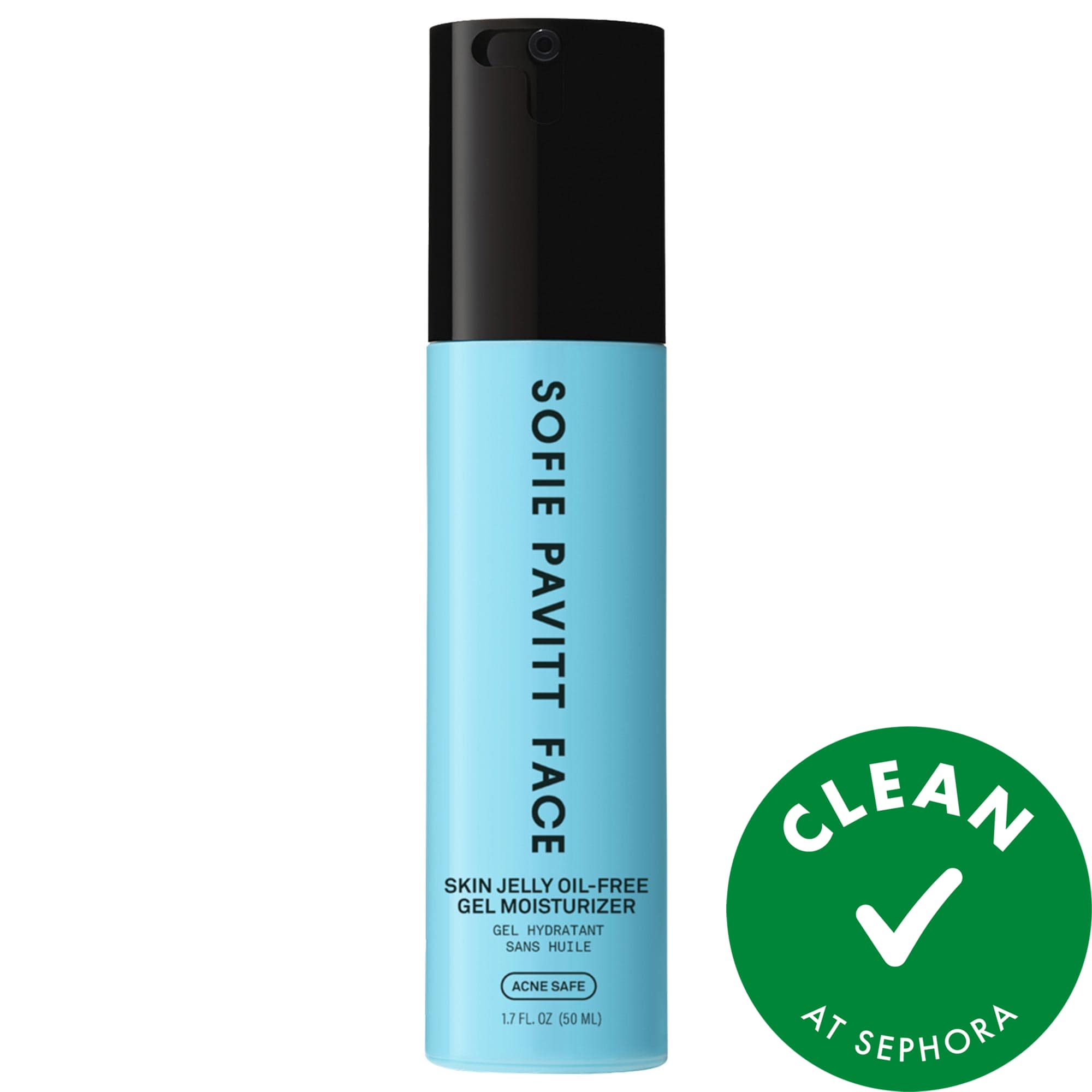
Moisturisers for redness
See full ranking →
Moisturisers for sensitive skin
See full ranking →Gentle cleansers
See full ranking →- 1
 Paula's Choice
Mini Must-Haves with 2% BHA Exfoliating Toner, Foaming Cleanser, & SPF 50
9.0 - 2
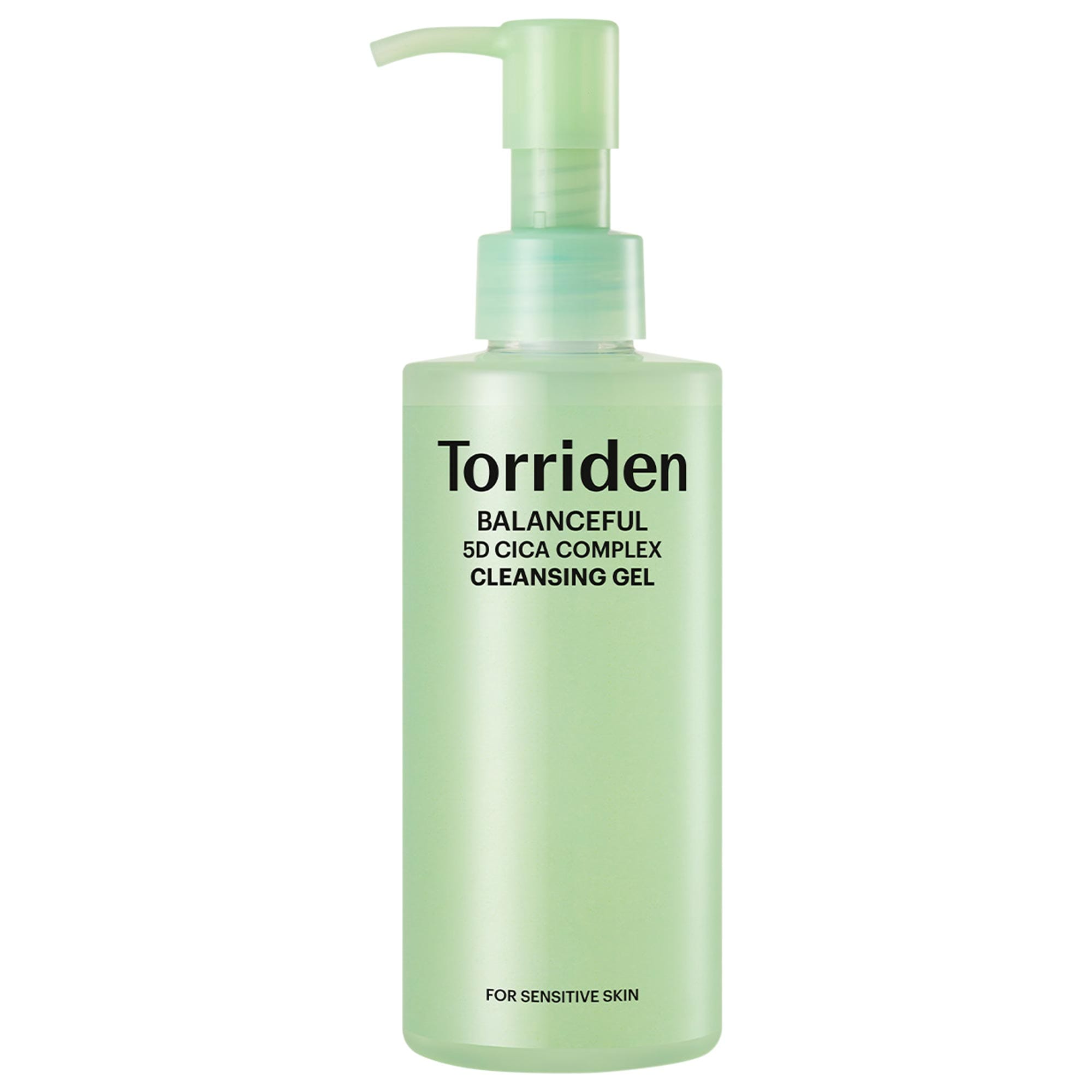 Torriden
BALANCEFUL 5D Cica Complex Cleansing Gel for Sensitive Skin & Gentle Makeup Removal
8.6 - 3
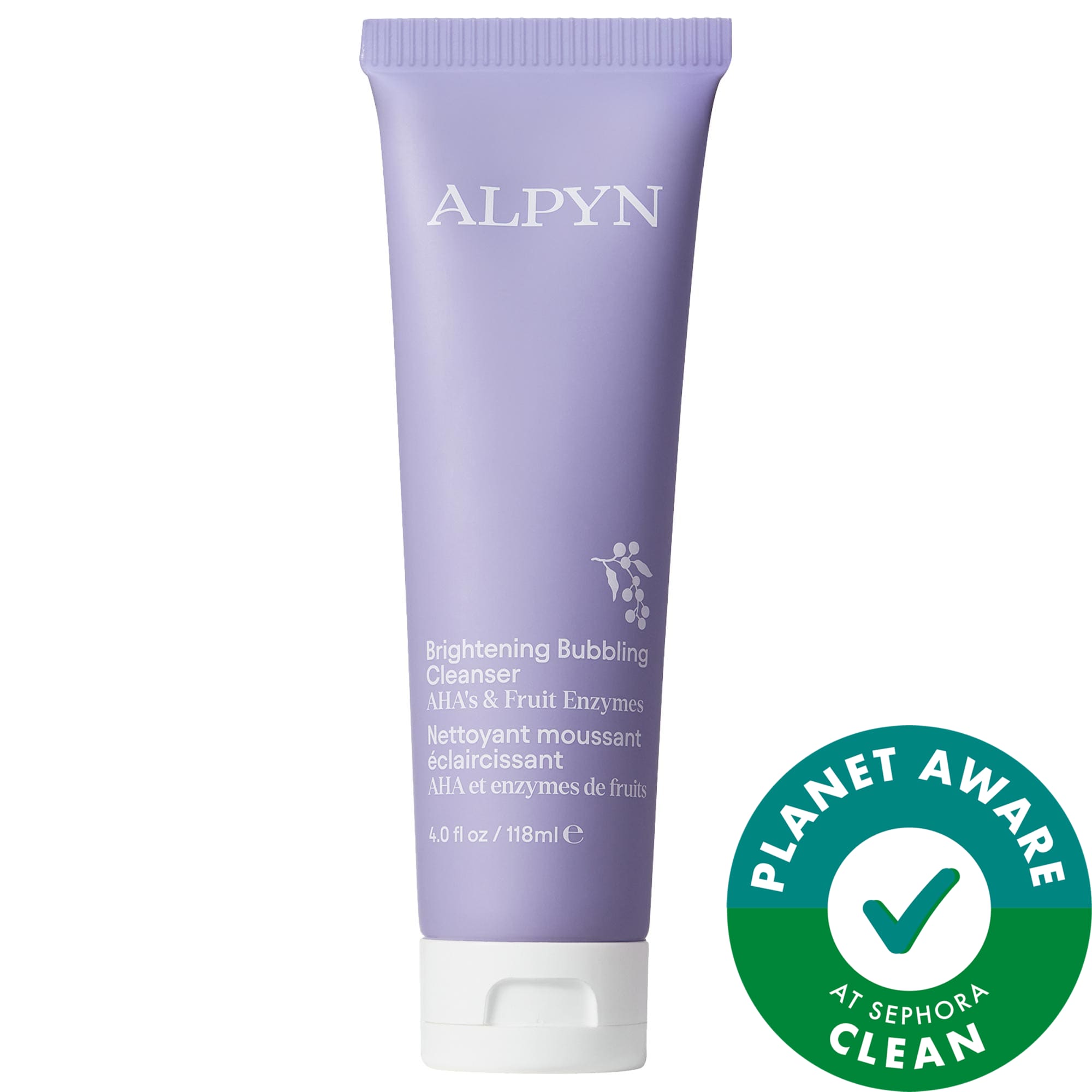 ALPYN
ALPYNClarifying Cleanser with Glycolic Acid for Pores & Blackheads
8.5 - 4
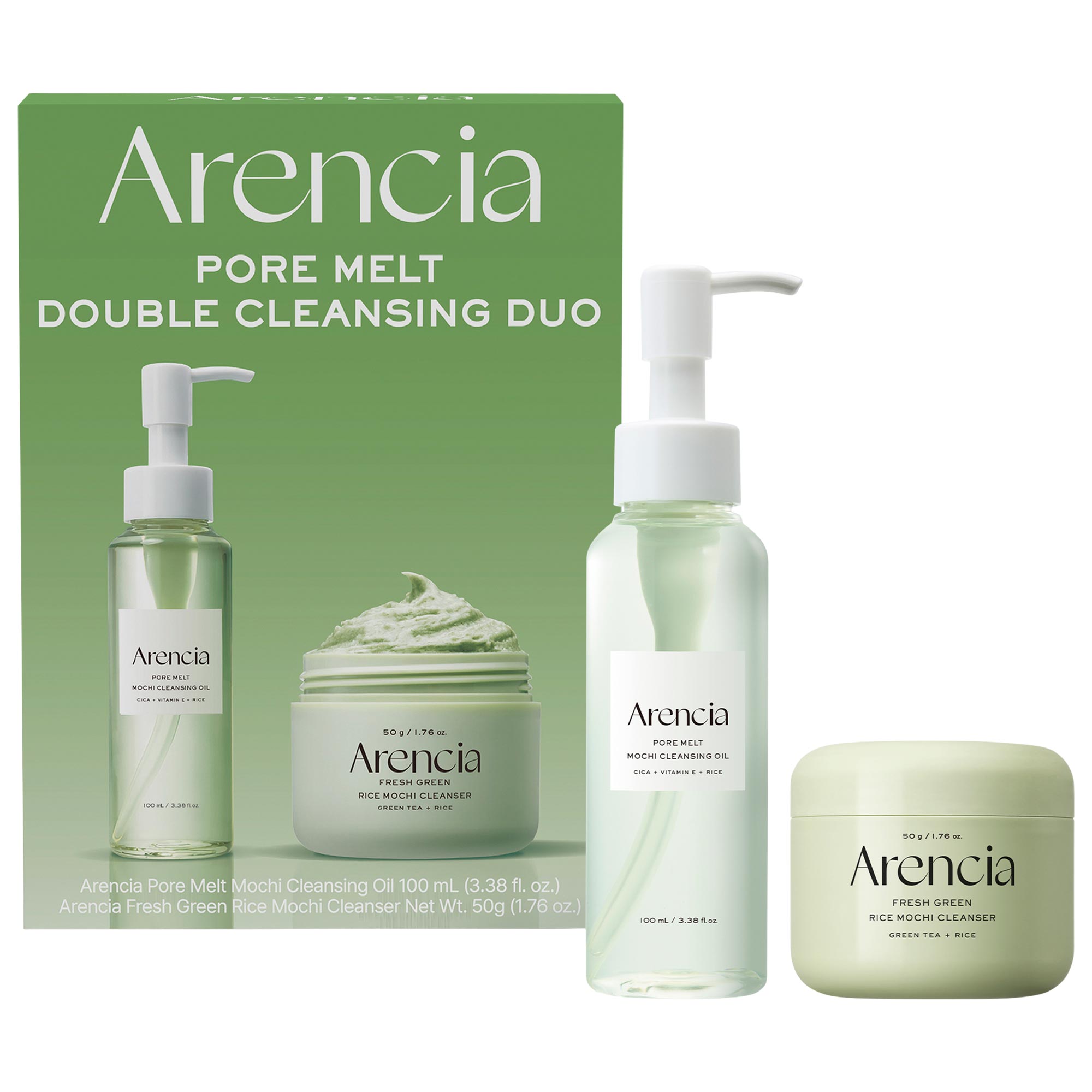 Arencia
Pore Melt Non-Comedogenic Double Cleansing Duo Gift Set for Acne-Prone Skin
8.5
SPF for sensitive skin
See full ranking →


Frequently asked questions
What's the best skincare for rosacea?
Azelaic acid 10-15% (or prescription metronidazole/ivermectin), niacinamide, centella, ceramides, and mineral SPF. Avoid fragrance, alcohol-heavy toners, harsh exfoliants, and 'cooling' menthol/camphor ingredients which trigger vascular reactivity.
Is rosacea curable?
Rosacea is a chronic condition, not curable, but very manageable. With consistent skincare, trigger avoidance, and (where appropriate) prescription topicals or oral medication, most people achieve long stretches of clear, calm skin.
What triggers rosacea flares?
Heat (showers, weather, exercise, spicy food), alcohol, sun exposure, stress, and certain skincare ingredients (fragrance, alcohol, menthol, harsh acids). Triggers are individual — keeping a brief flare diary helps identify your top three.
Should I see a dermatologist for rosacea?
Yes. Prescription metronidazole gel, ivermectin cream, oral low-dose doxycycline, and brimonidine for redness are dramatically more effective than anything OTC. Dermatologist-led care is the right starting point.
Can I use retinol with rosacea?
Standard retinol is usually too irritating for active rosacea. Bakuchiol (a gentler alternative) is sometimes tolerated. Prescription tretinoin or adapalene under dermatologist supervision can work for stable rosacea, but never during a flare.
Does rosacea cause acne?
The papulopustular subtype produces acne-like bumps but the cause is inflammation, not the same as regular acne. Treat with anti-inflammatory ingredients (azelaic acid, sulfur in some cases), not standard acne actives like benzoyl peroxide which can worsen redness.