Best skincare for acne
Acne is caused by clogged pores, excess sebum, bacteria (C. acnes), and inflammation. The most effective ingredients are salicylic acid (BHA), benzoyl peroxide, retinoids, niacinamide, and azelaic acid — used consistently with a non-stripping cleanser, lightweight moisturiser, and daily SPF.
What is acne?
Acne forms when sebum, dead skin cells, and bacteria block hair follicles. The blocked follicle becomes inflamed, producing the spectrum of breakouts — whiteheads, blackheads, papules, pustules, nodules and cysts. Most acne is multifactorial: hormones, stress, friction, comedogenic products and diet all contribute alongside the underlying biology.
The treatment principle is the same regardless of severity: clear pores, reduce oil and bacteria, calm inflammation, and protect the barrier so the skin can heal between active breakouts. Stripping the skin with harsh cleansers or stacking too many actives makes acne worse — over-exfoliation triggers reactive oil production and damages the barrier that keeps inflammation in check.
Best ingredients for acne
Oil-soluble BHA that penetrates pores to dissolve sebum and dead skin — the gold standard for blackheads and comedonal acne.
Regulates sebum production, calms inflammation, and reduces post-acne marks — well tolerated alongside other actives.
Treats acne, post-inflammatory pigmentation, and rosacea-adjacent redness with one of the gentlest active profiles in skincare.
Speeds cell turnover and prevents the dead-skin congestion that becomes blocked pores. Use 2-3 nights a week to start.
Calms acne-related inflammation and supports barrier repair — pairs especially well with retinol and BHA.
Ingredients to avoid
- ✗Coconut oil
Highly comedogenic for most skin types — clogs pores and triggers breakouts even when applied as a 'natural' moisturiser.
- ✗Isopropyl myristate / palmitate
Pore-clogging emollients common in budget moisturisers and makeup primers.
- ✗Heavy fragrance
Doesn't cause acne directly but worsens inflammation in skin that's already reactive — fragrance-free formulas are safer.
- ✗Denatured alcohol (high in INCI)
Overdrying triggers reactive sebum production. Acne-prone skin produces more oil after stripping cleansers, not less.
Recommended routine
☀ Morning
- Gentle non-stripping cleanser
- Niacinamide serum
- Lightweight non-comedogenic moisturiser
- Broad-spectrum SPF 30+
☾ Evening
- Gentle cleanser (or double cleanse if wearing makeup or SPF)
- BHA toner / serum (3 nights/week) OR retinol (alternate nights)
- Hydrating layer (panthenol, hyaluronic acid)
- Lightweight moisturiser
Top products for acne
Cleansers for acne
See full ranking →- 1
 Paula's Choice
Mini Must-Haves with 2% BHA Exfoliating Toner, Foaming Cleanser, & SPF 50
9.0 - 2
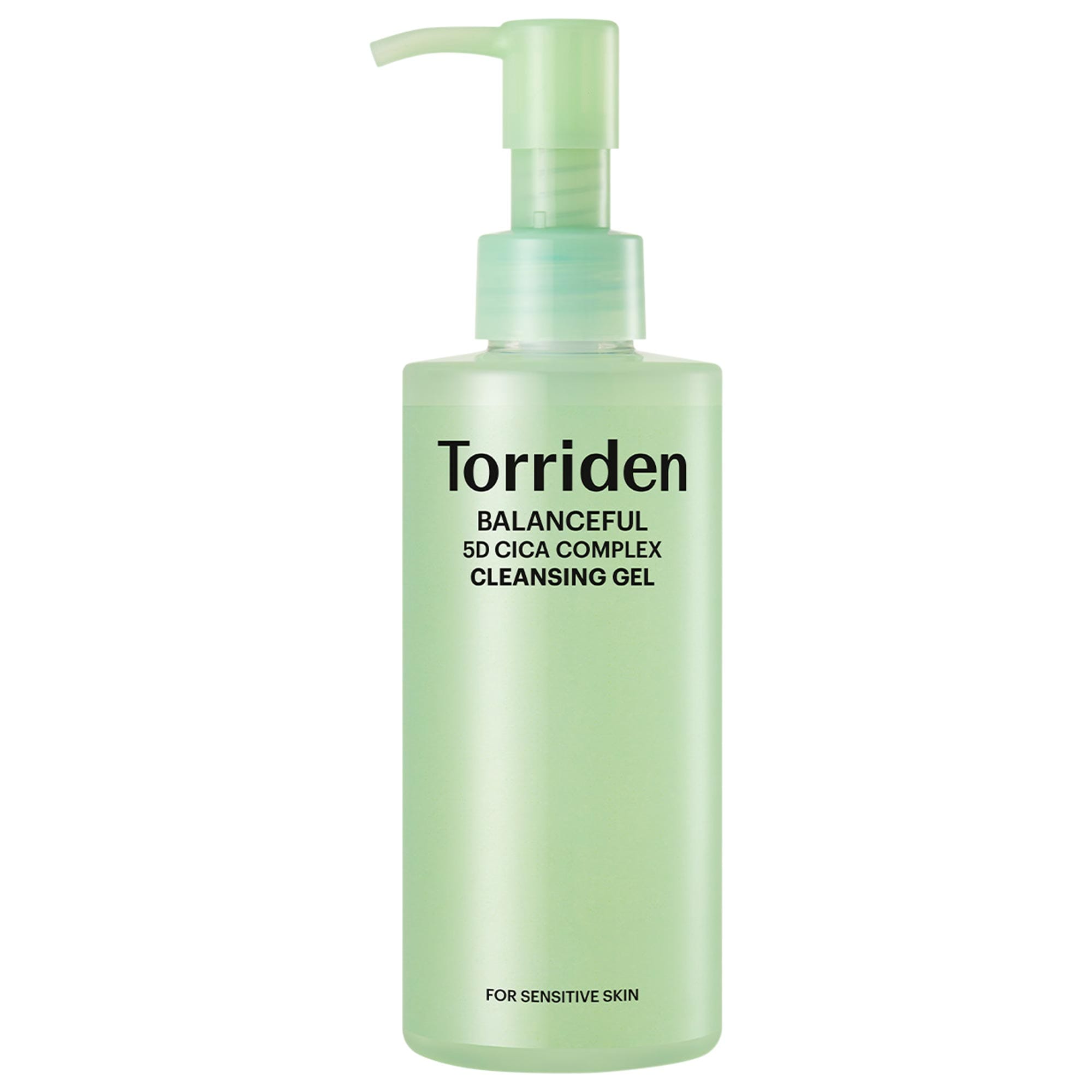 Torriden
BALANCEFUL 5D Cica Complex Cleansing Gel for Sensitive Skin & Gentle Makeup Removal
8.6 - 3
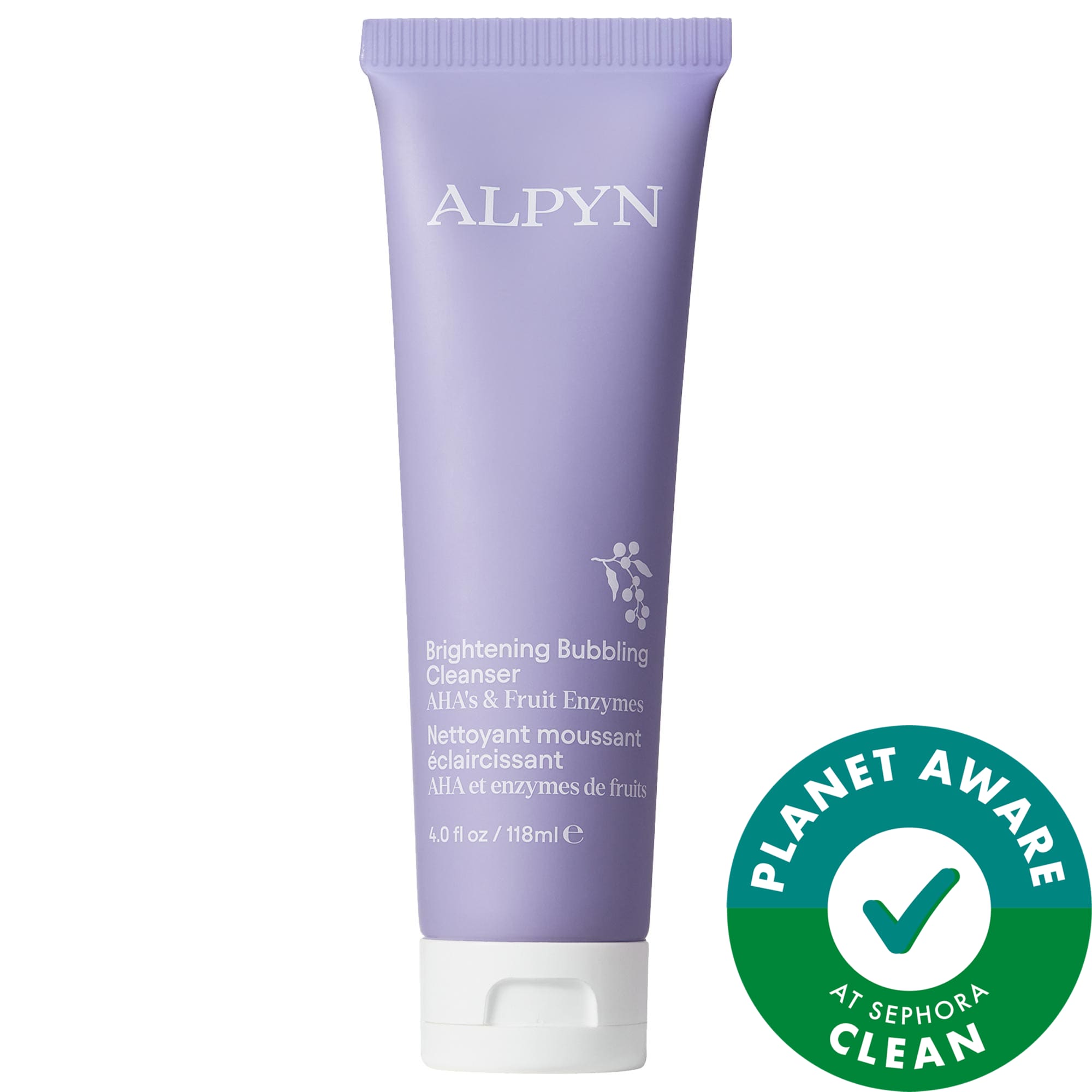 ALPYN
ALPYNClarifying Cleanser with Glycolic Acid for Pores & Blackheads
8.5 - 4
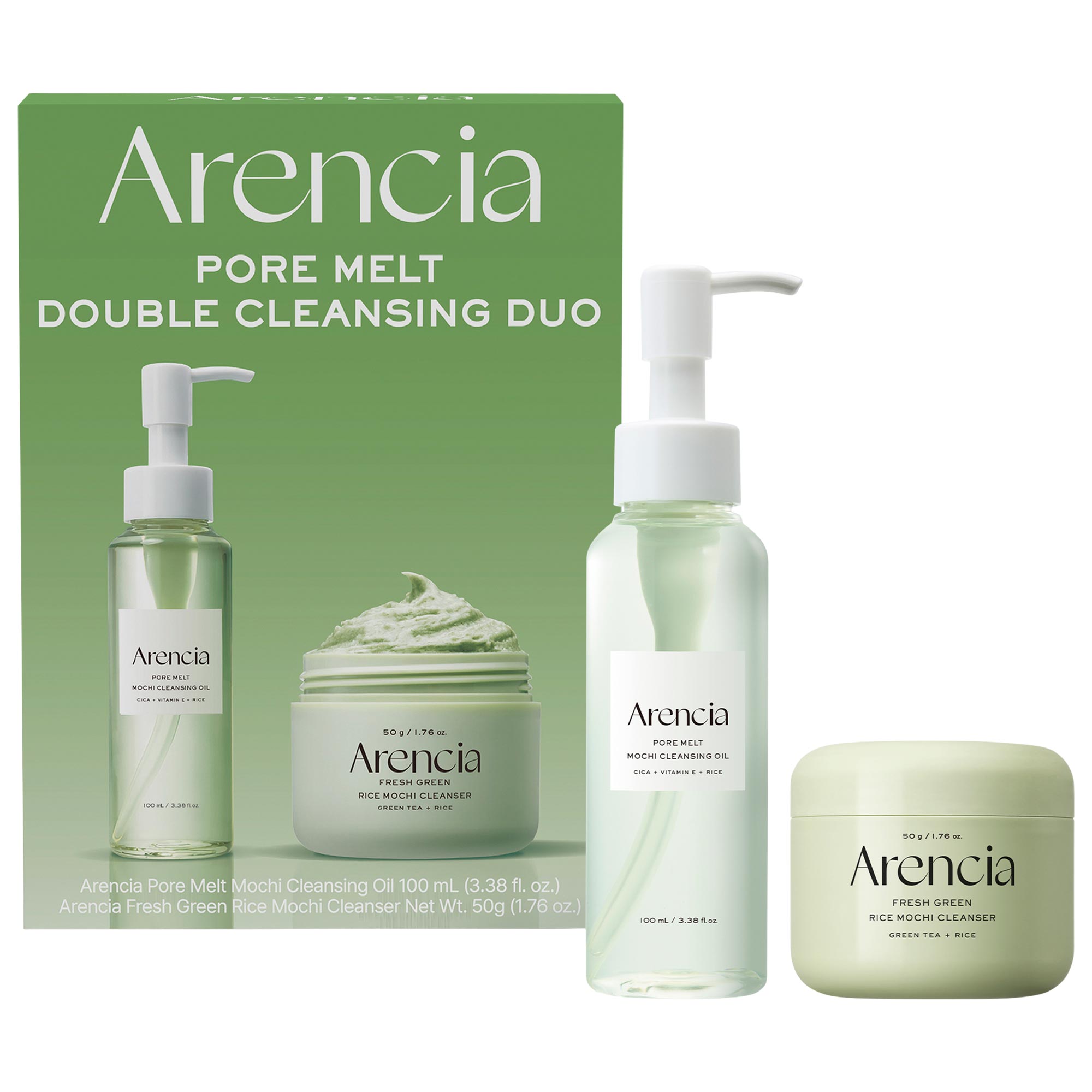 Arencia
Pore Melt Non-Comedogenic Double Cleansing Duo Gift Set for Acne-Prone Skin
8.5
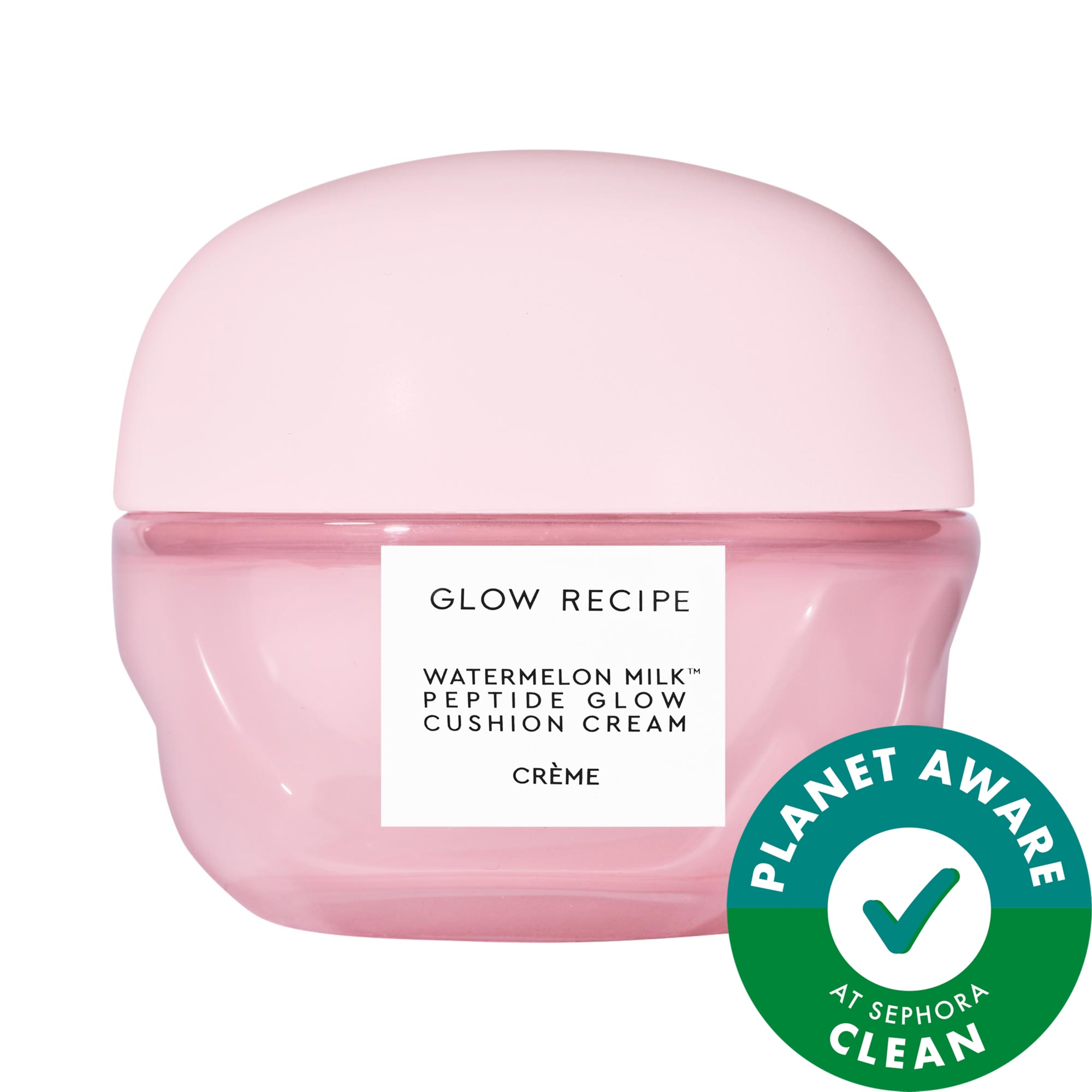
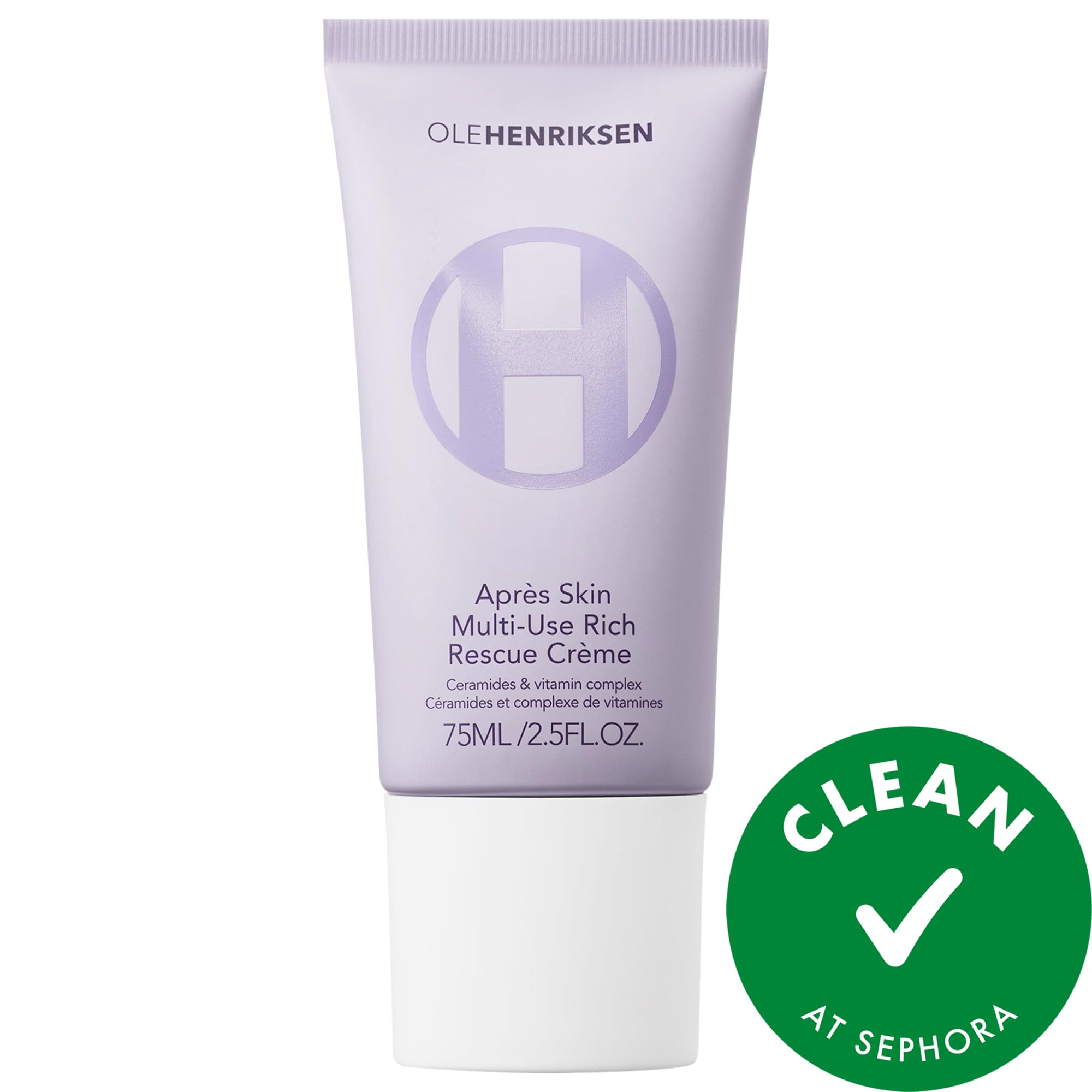
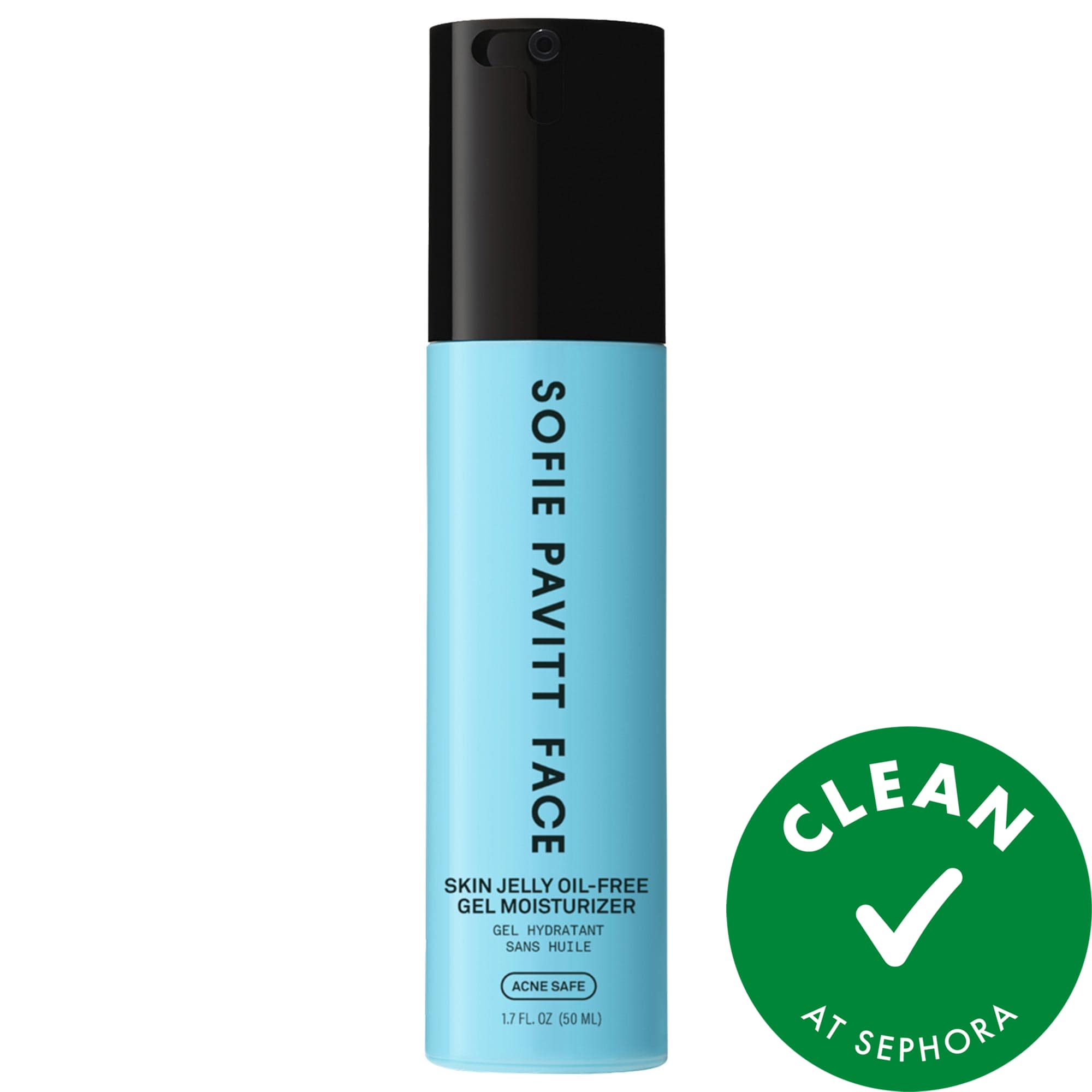
Moisturisers for acne-prone skin
See full ranking →
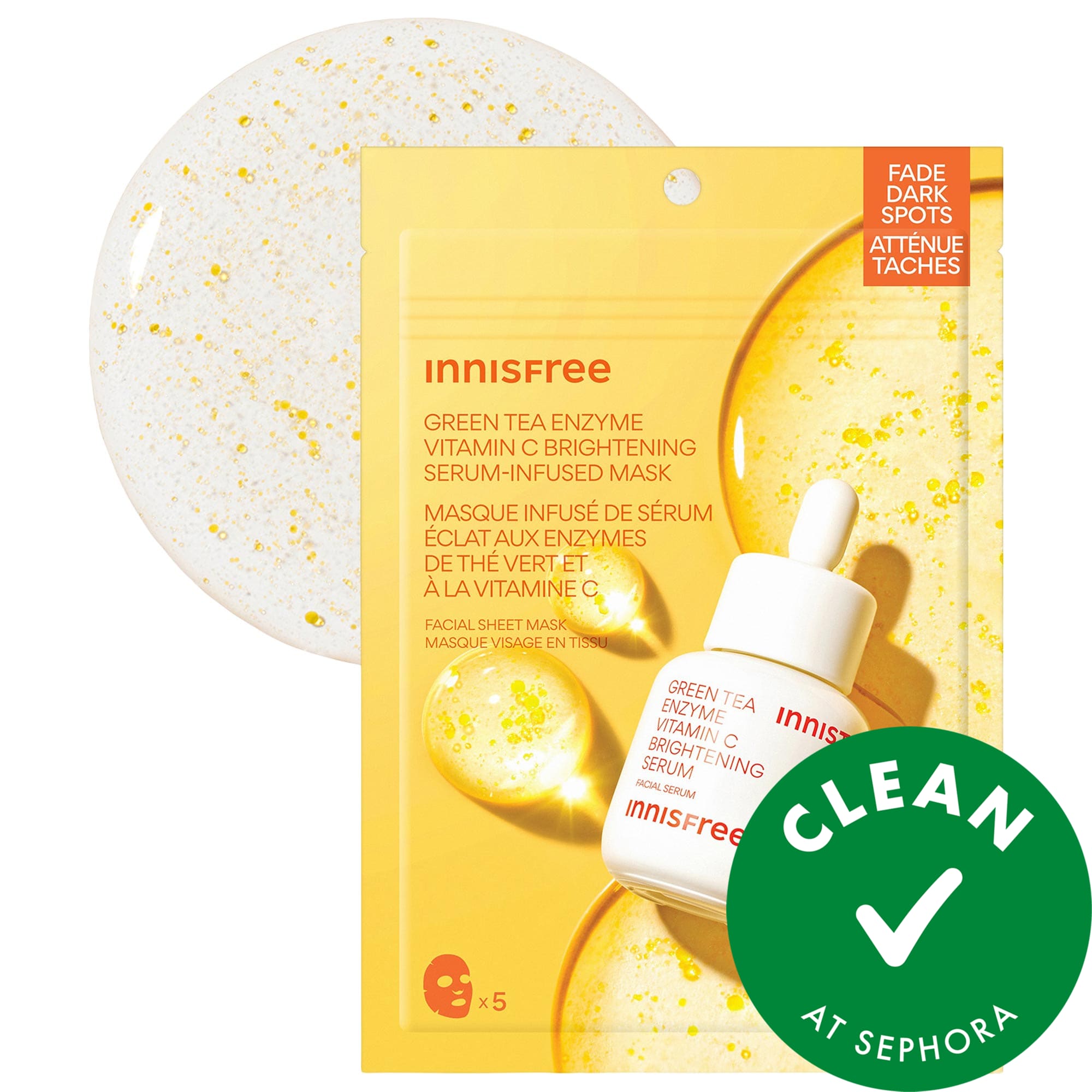
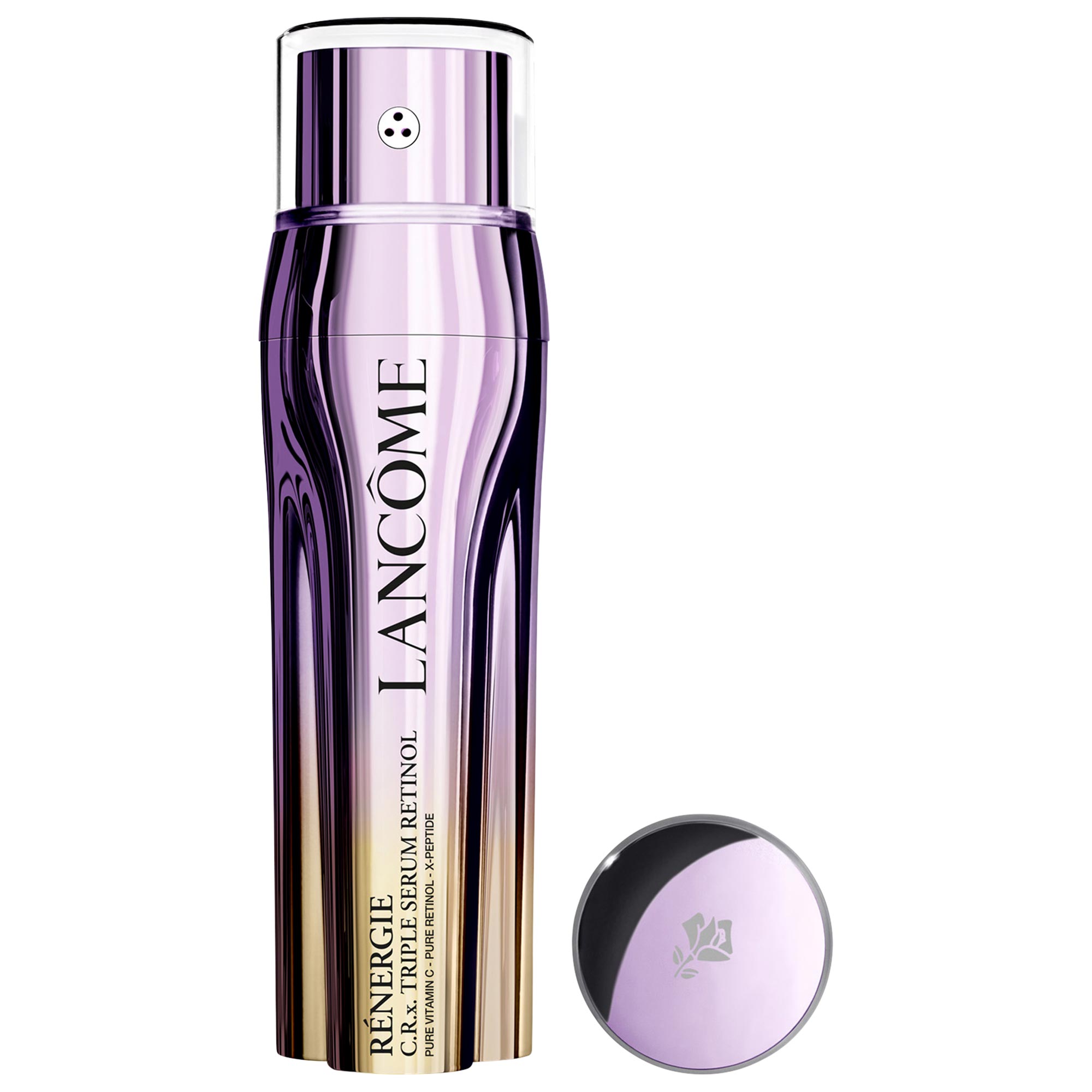
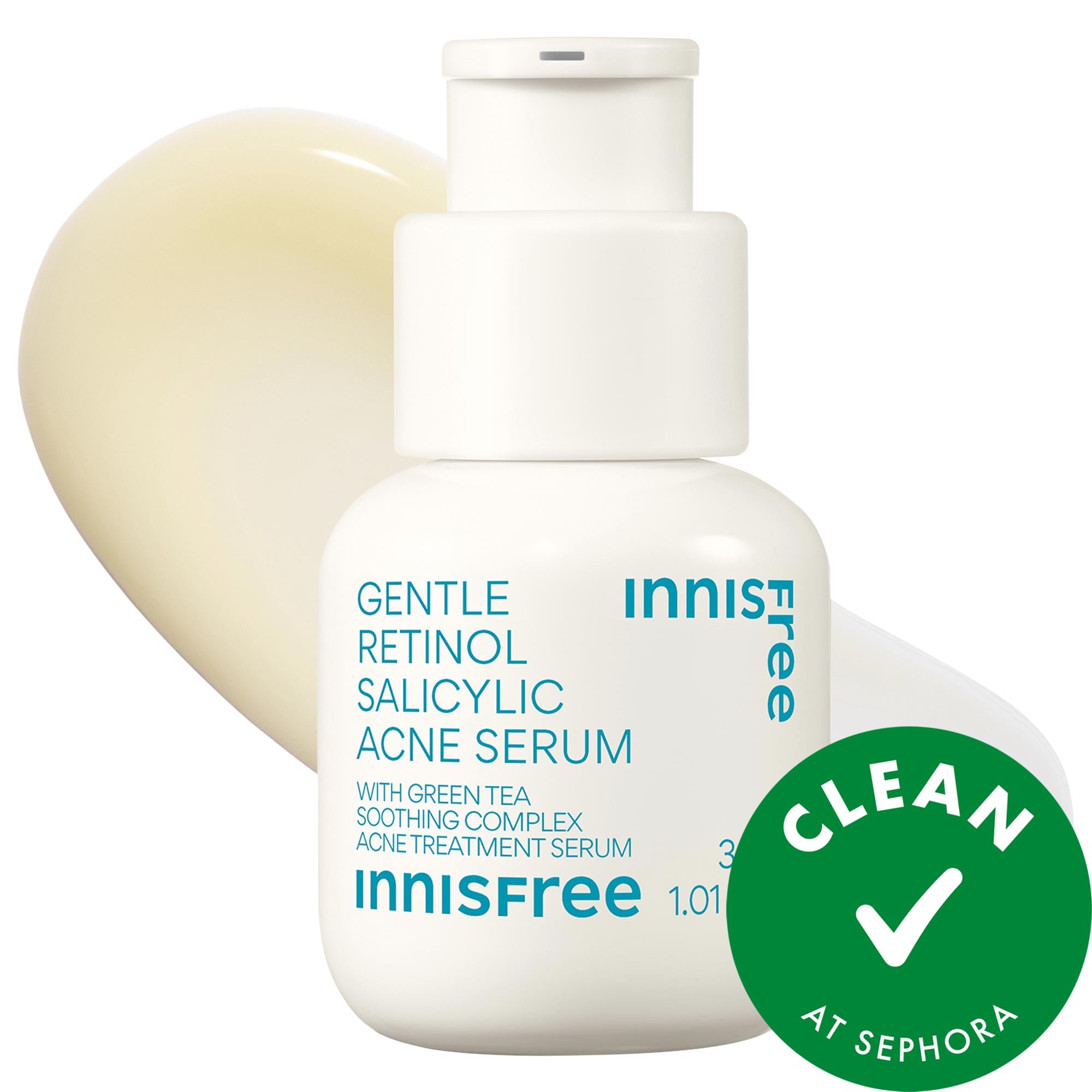
Serums for acne
See full ranking →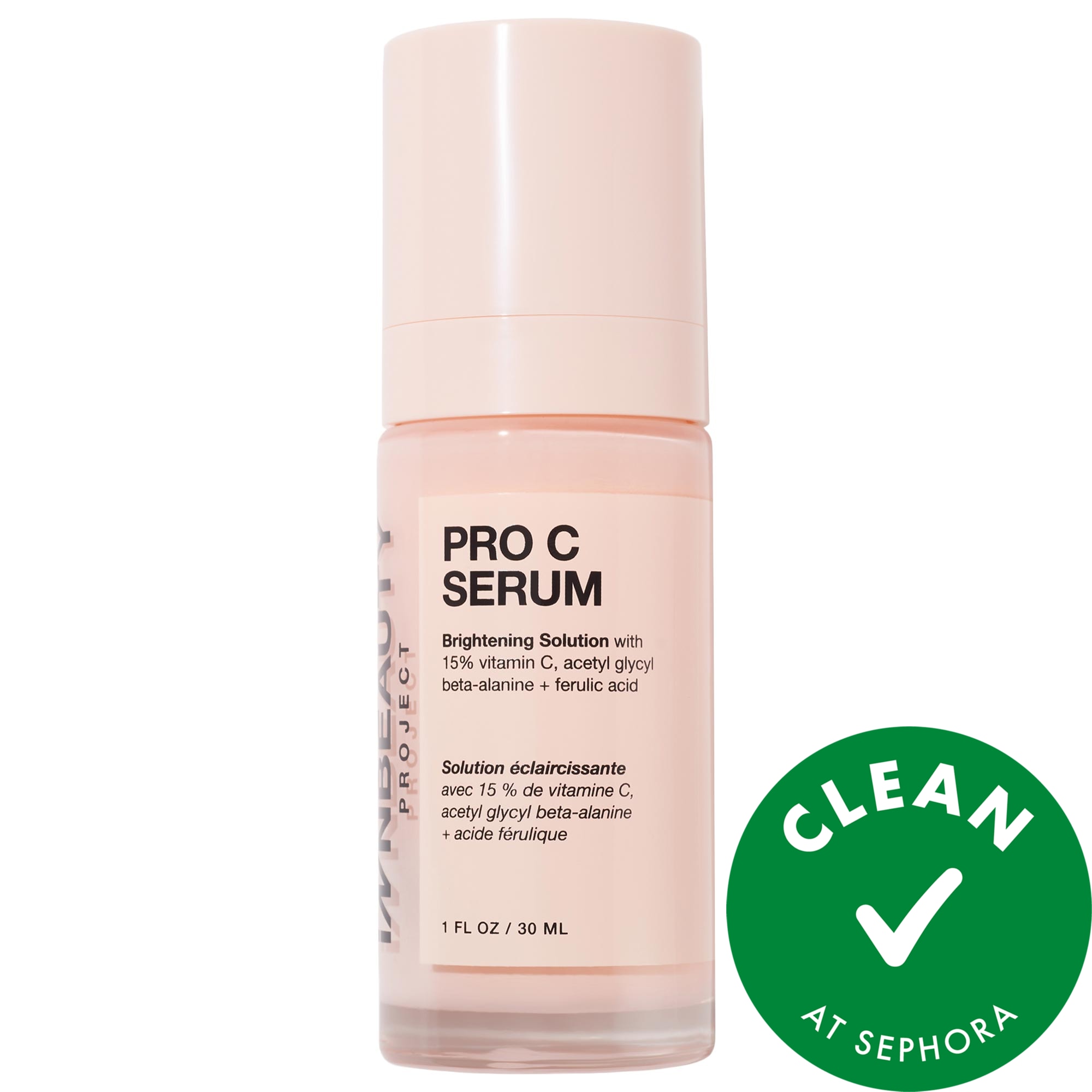
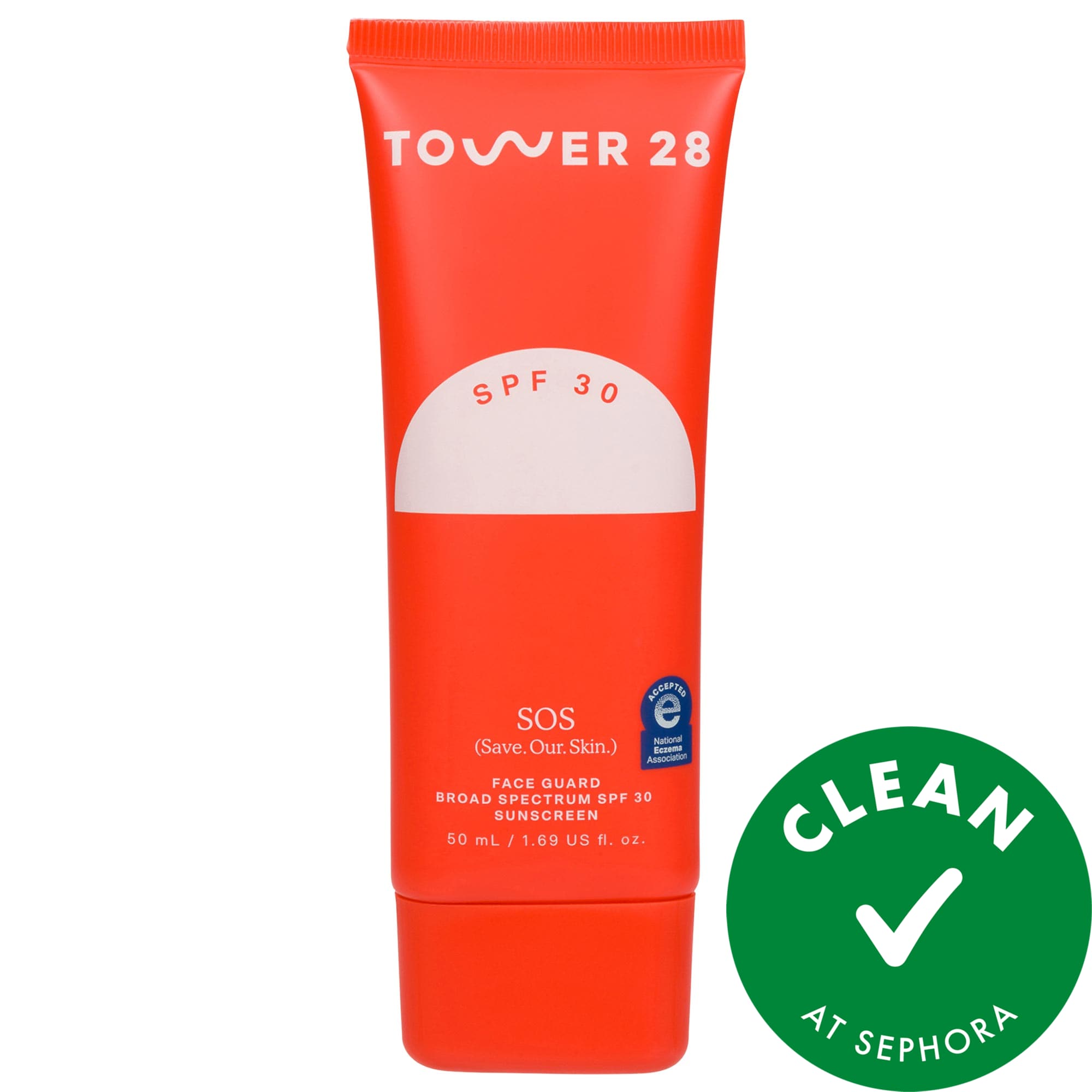
SPF for acne-prone skin
See full ranking →


Frequently asked questions
What's the best skincare ingredient for acne?
Salicylic acid (BHA) is the most-studied for clearing blocked pores. For active inflammation, benzoyl peroxide or azelaic acid. For long-term prevention, retinoids. Most successful acne routines combine 2-3 of these alongside niacinamide and a lightweight moisturiser.
Does drying out acne help it heal faster?
No. Stripping the skin worsens acne — the barrier gets damaged, inflammation rises, and the skin compensates by producing more sebum. Treat acne with targeted actives but always pair them with non-comedogenic hydration.
Can I use retinol if I have acne?
Yes — retinol is one of the most effective long-term acne treatments. Start at 0.025% retinol 2-3 nights a week, alongside niacinamide and a barrier moisturiser. Expect a 4-6 week purging phase before improvement.
What ingredients should acne-prone skin avoid?
Coconut oil, isopropyl myristate/palmitate, heavy occlusives, and denatured alcohol high in the INCI list. Heavy fragrance worsens inflammation in reactive skin. Avoid stacking too many exfoliants.
How long until I see results from acne skincare?
Realistically 8-12 weeks of consistent use. Salicylic acid starts working on existing comedones in 2-3 weeks; retinoids and niacinamide need 8-12 weeks of nightly use. New active acne cycles take 4-6 weeks to clear.
Should I see a dermatologist for acne?
Yes if your acne is moderate-to-severe (cystic, leaving scars), hormonal (jawline-only, cyclical), or hasn't improved after 12 weeks of consistent OTC routine. Prescription tretinoin, adapalene, or oral treatments are far more effective than anything at the chemist.
Is the purging phase real?
Yes — when you start a retinoid or BHA, microcomedones already forming under the skin surface 'purge' in the first 4-6 weeks. Purging happens in spots you usually break out. New breakouts in unusual areas suggest irritation, not purging.