LANEIGE Balance Mode Rice Foaming Gel Cleanser with Glycolic Acid to Control Shine & Unclog Pores vs Yves rocher Nutri Specific Démaquillant Lacté
LANEIGE Balance Mode Rice Foaming Gel Cleanser with Glycolic Acid to Control Shine & Unclog Pores scores 8.2/9.8 vs Yves rocher Nutri Specific Démaquillant Lacté at 6.2/9.8. LANEIGE Balance Mode Rice Foaming Gel Cleanser with Glycolic Acid to Control Shine & Unclog Pores wins for active ingredients.
Head to head
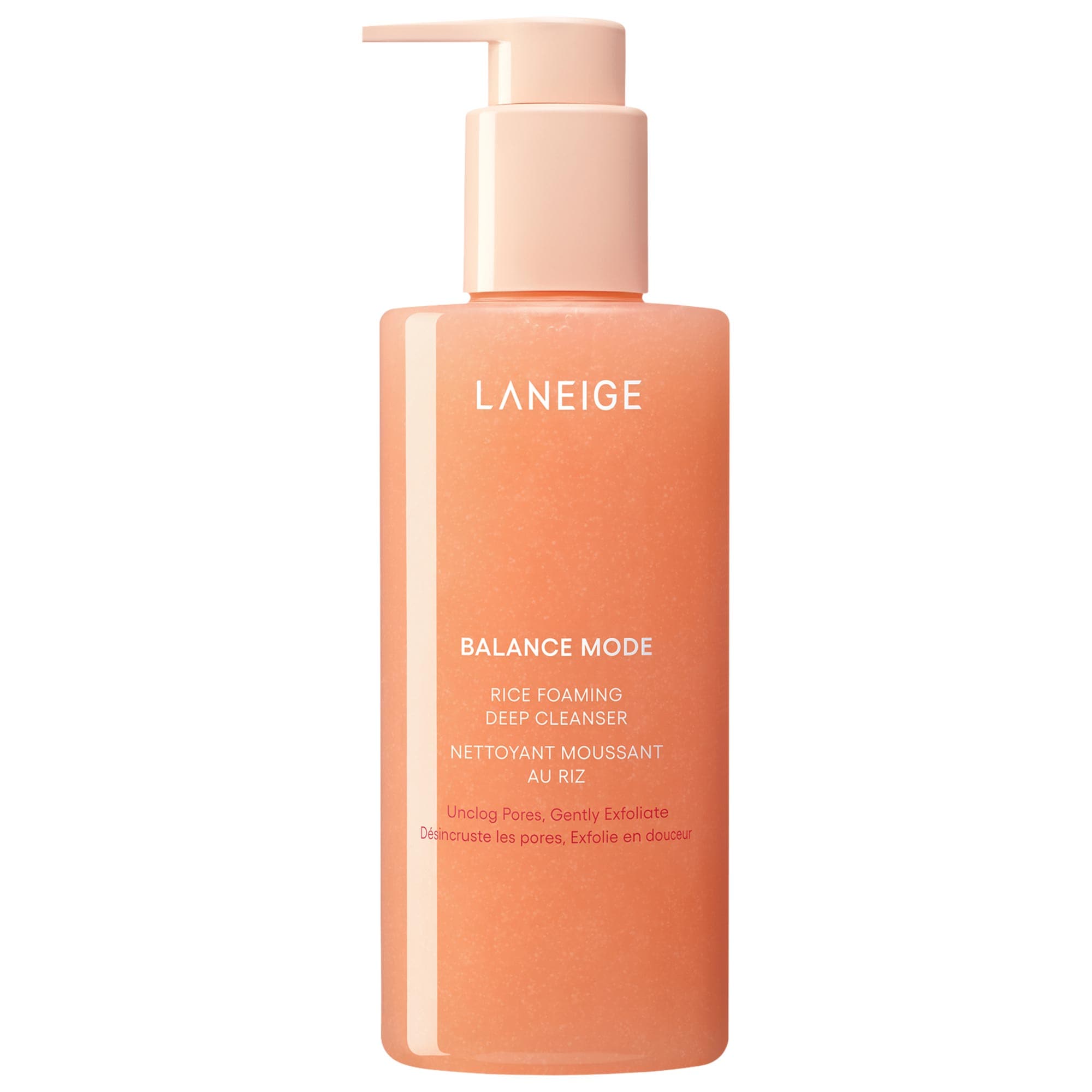
Balance Mode Rice Foaming Gel Cleanser with Glycolic Acid to Control Shine & Unclog Pores

Nutri Specific Démaquillant Lacté
Score comparison
LANEIGE Balance Mode Rice Foaming Gel Cleanser with Glycolic Acid to Control Shine & Unclog Pores takes this one, winning 3 of 5 attributes.
Scores last verified: July 2026
Attribute battle
Hydration Efficacy
Yves rocher WINSIrritation Risk
LANEIGE WINSActive Ingredient Strength
LANEIGE WINSIngredient Transparency
Yves rocher WINSFormulation Safety
LANEIGE WINSIngredient face-off
0% overlapOnly in LANEIGE Balance Mode Rice Foaming Gel Cleanser with Glycolic Acid to Control Shine & Unclog Pores
34 unique
Shared ingredients
0 in common
Only in Yves rocher Nutri Specific Démaquillant Lacté
25 unique
Why LANEIGE Balance Mode Rice Foaming Gel Cleanser with Glycolic Acid to Control Shine & Unclog Pores comes out ahead
Where LANEIGE Balance Mode Rice Foaming Gel Cleanser with Glycolic Acid to Control Shine & Unclog Pores really shines is active ingredient strength, scoring 4.8 compared to Yves rocher Nutri Specific Démaquillant Lacté's 2.0. Its formula features Niacinamide, Inositol, and Ceramide Np in high positions, signalling meaningful concentrations.
Hydration Efficacy is another area of separation. Yves rocher Nutri Specific Démaquillant Lacté scores 7.2 here versus 5.5 for LANEIGE Balance Mode Rice Foaming Gel Cleanser with Glycolic Acid to Control Shine & Unclog Pores. That difference comes down to how each formula is built — the ingredient list tells the story.
LANEIGE Balance Mode Rice Foaming Gel Cleanser with Glycolic Acid to Control Shine & Unclog Pores brings Niacinamide, Inositol, and Ceramide Np as actives, while yves rocher Nutri Specific Démaquillant Lacté relies on Allantoin. Both approaches have merit, but the positioning and supporting ingredients make the difference.
Best for your skin type
LANEIGE Balance Mode Rice Foaming Gel Cleanser with Glycolic Acid to Control Shine & Unclog Pores is better if you have
- Sensitive skin — the low-irritation formula keeps things gentle
- Anyone who prefers clean, well-vetted formulations
Yves rocher Nutri Specific Démaquillant Lacté is better if you have
- Sensitive skin — the low-irritation formula keeps things gentle
- Dry or dehydrated skin that craves moisture, thanks to Urea
- Anyone who prefers clean, well-vetted formulations
Value comparison
LANEIGE Balance Mode Rice Foaming Gel Cleanser with Glycolic Acid to Control Shine & Unclog Pores comes in at mid-range pricing with a 8.2 score, which is solid value at that tier.
Our verdict
LANEIGE Balance Mode Rice Foaming Gel Cleanser with Glycolic Acid to Control Shine & Unclog Pores wins this comparison with a meaningfully stronger ingredient profile and overall score.
Frequently asked questions
Which is better: LANEIGE Balance Mode Rice Foaming Gel Cleanser with Glycolic Acid to Control Shine & Unclog Pores or Yves rocher Nutri Specific Démaquillant Lacté?
Based on ingredient analysis, LANEIGE Balance Mode Rice Foaming Gel Cleanser with Glycolic Acid to Control Shine & Unclog Pores scores higher overall. See the full score breakdown above for details on each attribute.
Do LANEIGE Balance Mode Rice Foaming Gel Cleanser with Glycolic Acid to Control Shine & Unclog Pores and Yves rocher Nutri Specific Démaquillant Lacté share ingredients?
Yes, they share common ingredients. Check the ingredient face-off section above for a detailed comparison.
What's the main difference between LANEIGE Balance Mode Rice Foaming Gel Cleanser with Glycolic Acid to Control Shine & Unclog Pores and Yves rocher Nutri Specific Démaquillant Lacté?
The key differences are in their active ingredients and formulation approach. Check the attribute battle above for a detailed breakdown.