Kiehl's Since 1851 Micro-Dose Anti-Aging Retinol Serum with Ceramides & Peptide vs Paula's Choice Clinical 1% Retinol Treatment
Kiehl's Since 1851 Micro-Dose Anti-Aging Retinol Serum with Ceramides & Peptide scores 9.3/9.8 vs Paula's Choice Clinical 1% Retinol Treatment at 8.7/9.8. Kiehl's Since 1851 Micro-Dose Anti-Aging Retinol Serum with Ceramides & Peptide wins for active ingredients.
Head to head

Micro-Dose Anti-Aging Retinol Serum with Ceramides & Peptide
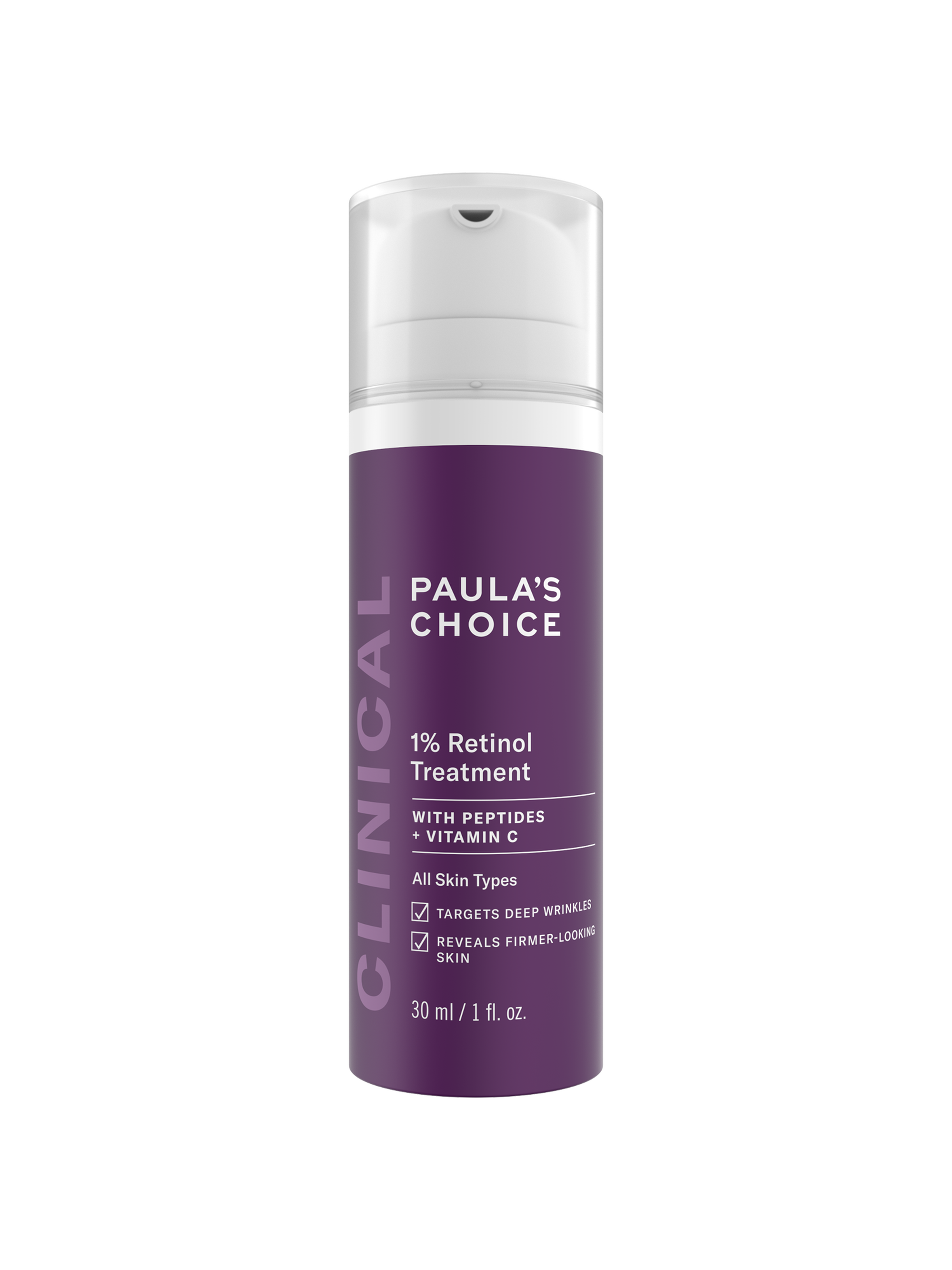
Clinical 1% Retinol Treatment
Score comparison
Kiehl's Since 1851 Micro-Dose Anti-Aging Retinol Serum with Ceramides & Peptide edges ahead, winning 2 of 5 attributes.
Scores last verified: July 2026
Attribute battle
Hydration Efficacy
Paula's Choice WINSIrritation Risk
TIEActive Ingredient Strength
Kiehl's Since 1851 WINSIngredient Transparency
Paula's Choice WINSFormulation Safety
TIEIngredient face-off
30% overlapOnly in Kiehl's Since 1851 Micro-Dose Anti-Aging Retinol Serum with Ceramides & Peptide
25 unique
Shared ingredients
14 in common
Only in Paula's Choice Clinical 1% Retinol Treatment
33 unique
Why Kiehl's Since 1851 Micro-Dose Anti-Aging Retinol Serum with Ceramides & Peptide comes out ahead
Where Kiehl's Since 1851 Micro-Dose Anti-Aging Retinol Serum with Ceramides & Peptide really shines is active ingredient strength, scoring 7.7 compared to Paula's Choice Clinical 1% Retinol Treatment's 7.1. Its formula features Niacinamide, Acetyl Dipeptide-1 Cetyl Ester, and Adenosine in high positions, signalling meaningful concentrations.
Hydration Efficacy is another area of separation. Paula's Choice Clinical 1% Retinol Treatment scores 9.8 here versus 9.4 for Kiehl's Since 1851 Micro-Dose Anti-Aging Retinol Serum with Ceramides & Peptide. That difference comes down to how each formula is built — the ingredient list tells the story.
Kiehl's Since 1851 Micro-Dose Anti-Aging Retinol Serum with Ceramides & Peptide brings Niacinamide, Acetyl Dipeptide-1 Cetyl Ester, and Adenosine as actives, while paula's Choice Clinical 1% Retinol Treatment relies on Retinol, Tetrahexyldecyl Ascorbate, and Palmitoyl Oligopeptide. Both approaches have merit, but the positioning and supporting ingredients make the difference.
Best for your skin type
Kiehl's Since 1851 Micro-Dose Anti-Aging Retinol Serum with Ceramides & Peptide is better if you have
- Sensitive skin — the low-irritation formula keeps things gentle
- Dry or dehydrated skin that craves moisture, thanks to Glycerin
- Targeting specific concerns like aging or uneven tone — Niacinamide does the heavy lifting
Paula's Choice Clinical 1% Retinol Treatment is better if you have
- Sensitive skin — the low-irritation formula keeps things gentle
- Dry or dehydrated skin that craves moisture, thanks to Glycerin
- Targeting specific concerns like aging or uneven tone — Retinol does the heavy lifting
Value comparison
At premium pricing with a score of 9.3, Kiehl's Since 1851 Micro-Dose Anti-Aging Retinol Serum with Ceramides & Peptide delivers strong value. Paula's Choice Clinical 1% Retinol Treatment sits at the mid-range level with a 8.7 score — the extra cost doesn't translate to better scores here.
Our verdict
Kiehl's Since 1851 Micro-Dose Anti-Aging Retinol Serum with Ceramides & Peptide edges ahead with a slightly stronger formulation, but Paula's Choice Clinical 1% Retinol Treatment is still a solid pick.
Frequently asked questions
Which is better: Kiehl's Since 1851 Micro-Dose Anti-Aging Retinol Serum with Ceramides & Peptide or Paula's Choice Clinical 1% Retinol Treatment?
Based on ingredient analysis, Kiehl's Since 1851 Micro-Dose Anti-Aging Retinol Serum with Ceramides & Peptide scores higher overall. See the full score breakdown above for details on each attribute.
Do Kiehl's Since 1851 Micro-Dose Anti-Aging Retinol Serum with Ceramides & Peptide and Paula's Choice Clinical 1% Retinol Treatment share ingredients?
Yes, they share common ingredients. Check the ingredient face-off section above for a detailed comparison.
What's the main difference between Kiehl's Since 1851 Micro-Dose Anti-Aging Retinol Serum with Ceramides & Peptide and Paula's Choice Clinical 1% Retinol Treatment?
The key differences are in their active ingredients and formulation approach. Check the attribute battle above for a detailed breakdown.