innisfree Green Tea Hyaluronic Acid + Niacinamide Refillable Serum for Skin Barrier Support vs innisfree Retinol Green Tea PDRN™ Korean Firming & Smoothing Serum for Slow-Aging
innisfree Green Tea Hyaluronic Acid + Niacinamide Refillable Serum for Skin Barrier Support scores 9.2/9.8 and innisfree Retinol Green Tea PDRN™ Korean Firming & Smoothing Serum for Slow-Aging scores 9.1/9.8 — a near-tie where your skin type decides the winner.
Head to head
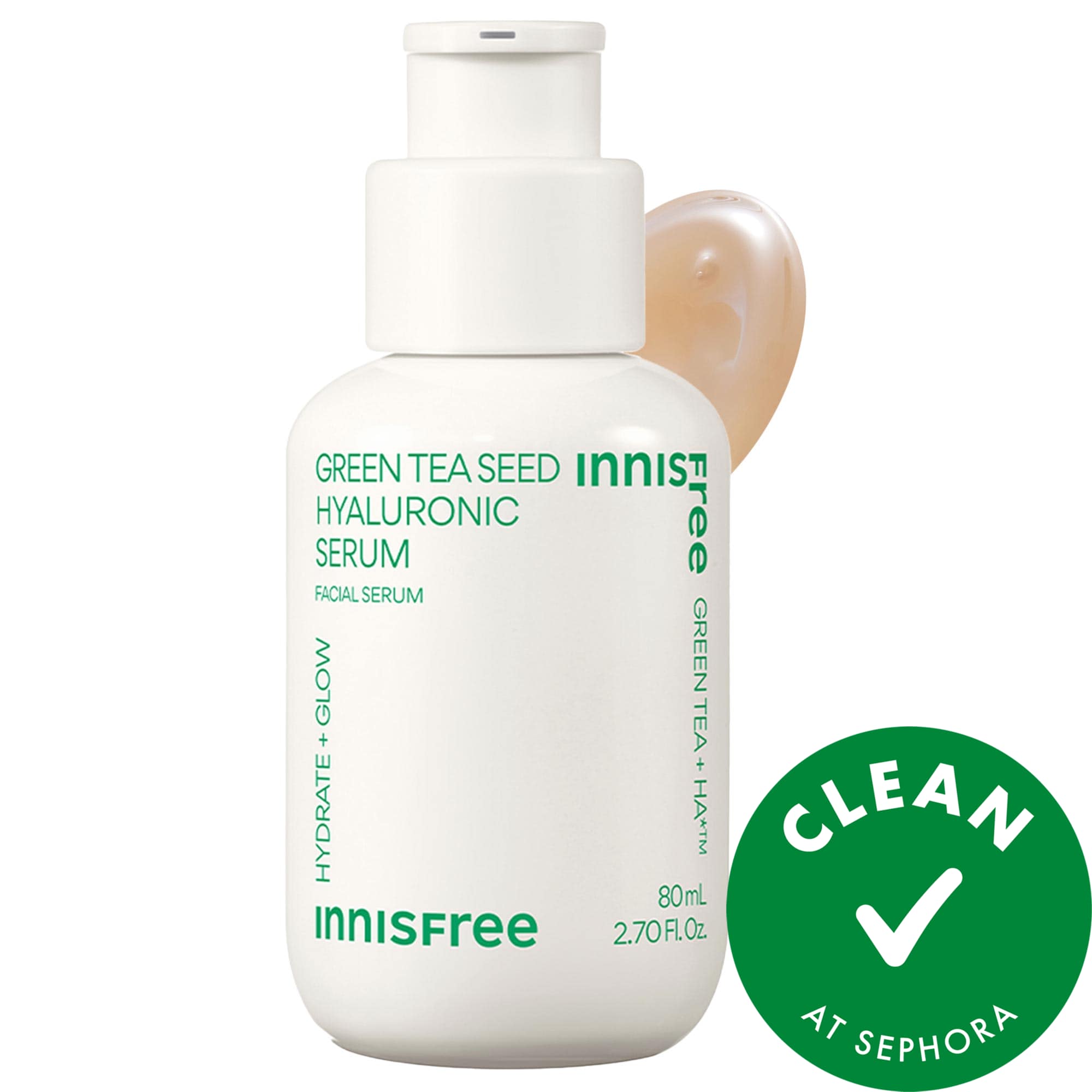
Green Tea Hyaluronic Acid + Niacinamide Refillable Serum for Skin Barrier Support
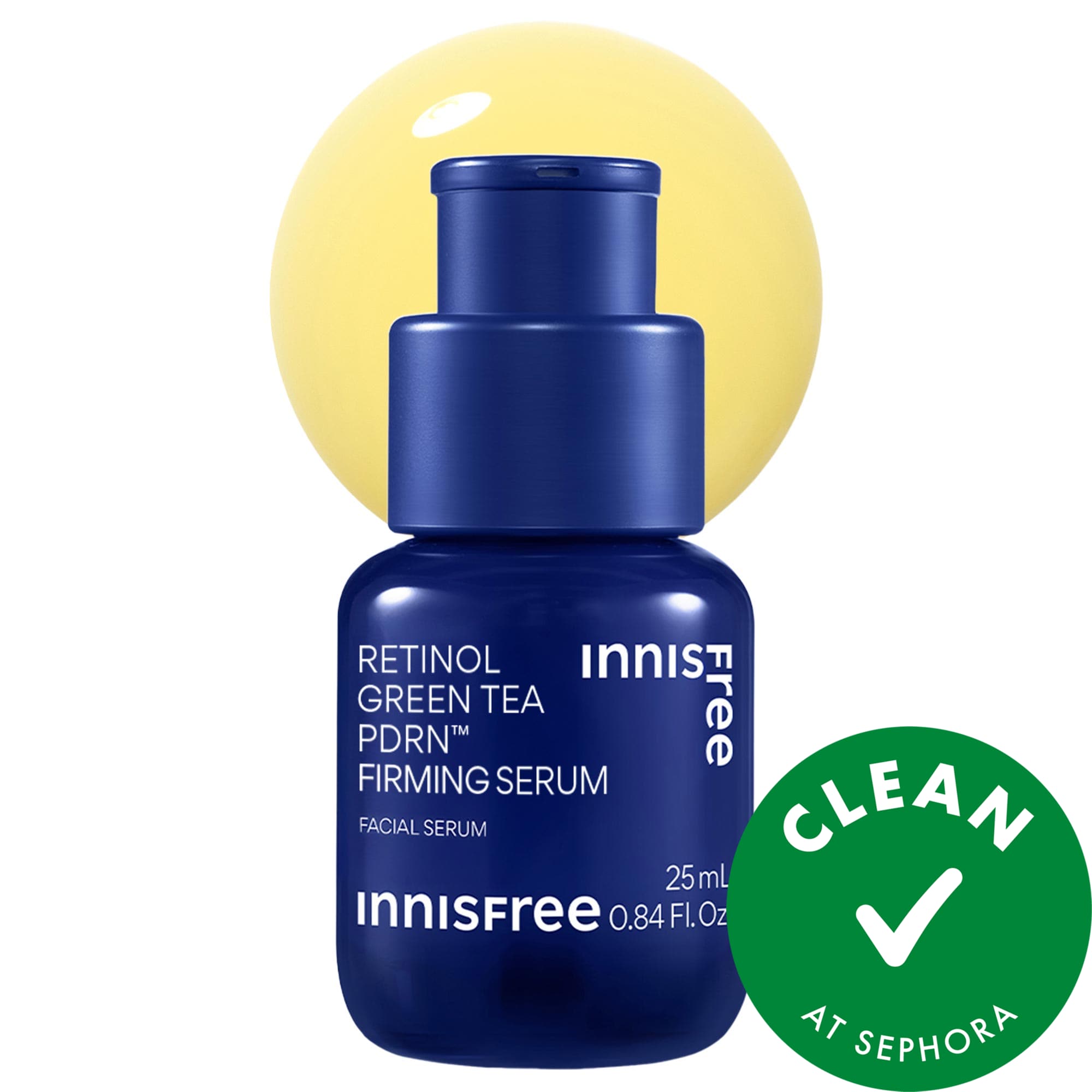
Retinol Green Tea PDRN™ Korean Firming & Smoothing Serum for Slow-Aging
Score comparison
These two are neck and neck — just 0.1 points apart.
Scores last verified: July 2026
Attribute battle
Hydration Efficacy
innisfree WINSIrritation Risk
TIEActive Ingredient Strength
innisfree WINSIngredient Transparency
innisfree WINSFormulation Safety
TIEIngredient face-off
26% overlapOnly in innisfree Green Tea Hyaluronic Acid + Niacinamide Refillable Serum for Skin Barrier Support
30 unique
Shared ingredients
12 in common
Only in innisfree Retinol Green Tea PDRN™ Korean Firming & Smoothing Serum for Slow-Aging
34 unique
Why these two are neck and neck
These two serums take different paths to a similar destination. Both formulas include solid hydrating ingredients, and the overall scores reflect that — the gap here is genuinely slim.
Hydration Efficacy is another area of separation. innisfree Green Tea Hyaluronic Acid + Niacinamide Refillable Serum for Skin Barrier Support scores 9.8 here versus 8.7 for innisfree Retinol Green Tea PDRN™ Korean Firming & Smoothing Serum for Slow-Aging. That difference comes down to how each formula is built — the ingredient list tells the story.
innisfree Green Tea Hyaluronic Acid + Niacinamide Refillable Serum for Skin Barrier Support brings Niacinamide, Lactobacillus Ferment Lysate, and Allantoin as actives, while innisfree Retinol Green Tea PDRN™ Korean Firming & Smoothing Serum for Slow-Aging relies on Niacinamide, Allantoin, and Tocopherol. Both approaches have merit, but the positioning and supporting ingredients make the difference.
Best for your skin type
innisfree Green Tea Hyaluronic Acid + Niacinamide Refillable Serum for Skin Barrier Support is better if you have
- Sensitive skin — the low-irritation formula keeps things gentle
- Dry or dehydrated skin that craves moisture, thanks to Propanediol
- Anyone who prefers clean, well-vetted formulations
innisfree Retinol Green Tea PDRN™ Korean Firming & Smoothing Serum for Slow-Aging is better if you have
- Sensitive skin — the low-irritation formula keeps things gentle
- Dry or dehydrated skin that craves moisture, thanks to Glycerin
- Anyone who prefers clean, well-vetted formulations
Value comparison
Both sit in the mid-range bracket, so value comes down to formulation quality. innisfree Green Tea Hyaluronic Acid + Niacinamide Refillable Serum for Skin Barrier Support gets the nod here with its 9.2 overall score — you're getting more for a similar outlay.
Our verdict
It's a close call — both products score within 0.3 points of each other. Your choice depends on your specific skin concerns.
Frequently asked questions
Which is better: innisfree Green Tea Hyaluronic Acid + Niacinamide Refillable Serum for Skin Barrier Support or innisfree Retinol Green Tea PDRN™ Korean Firming & Smoothing Serum for Slow-Aging?
Based on ingredient analysis, innisfree Green Tea Hyaluronic Acid + Niacinamide Refillable Serum for Skin Barrier Support scores higher overall. See the full score breakdown above for details on each attribute.
Do innisfree Green Tea Hyaluronic Acid + Niacinamide Refillable Serum for Skin Barrier Support and innisfree Retinol Green Tea PDRN™ Korean Firming & Smoothing Serum for Slow-Aging share ingredients?
Yes, they share common ingredients. Check the ingredient face-off section above for a detailed comparison.
What's the main difference between innisfree Green Tea Hyaluronic Acid + Niacinamide Refillable Serum for Skin Barrier Support and innisfree Retinol Green Tea PDRN™ Korean Firming & Smoothing Serum for Slow-Aging?
The key differences are in their active ingredients and formulation approach. Check the attribute battle above for a detailed breakdown.